
How To
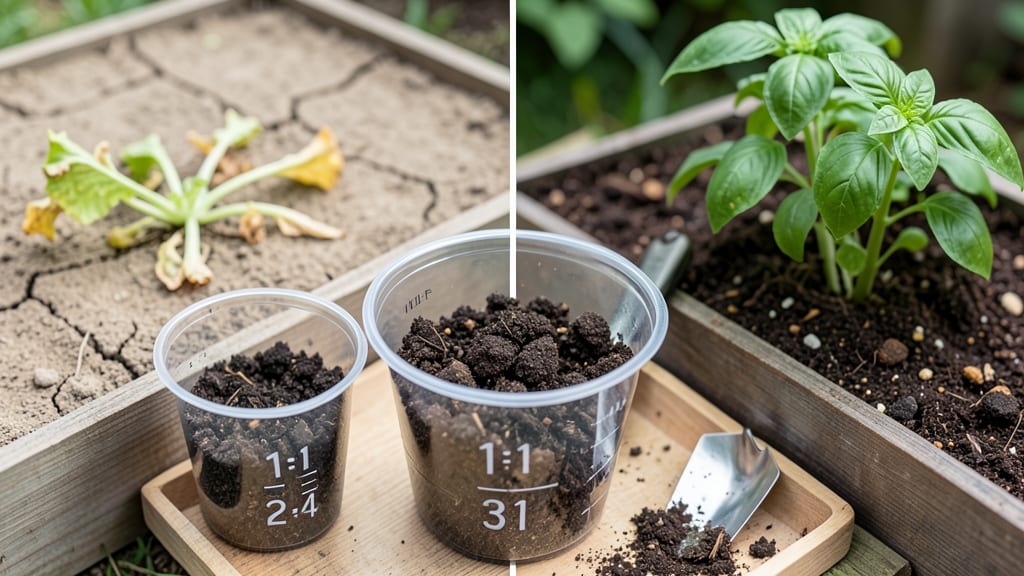
The ideal compost to soil ratio for healthy plant growth is typically 20-30% compost blended with 70-80% soil, though this varies by plant type—leafy vegetables like lettuce benefit from the higher end (30% compost), while sensitive perennials like roses need only 10-20% to avoid nutrient overload.
This balance isn't just about feeding plants—it's about creating the right environment for roots to thrive. 🌱 Too much compost can suffocate roots by reducing oxygen flow, while too little fails to provide essential nutrients.
I've found that adjusting the ratio seasonally works best: heavier compost mixes in spring encourage growth, while lighter blends in fall help protect plants through winter. For container gardening, I often use a 50-50 mix with added perlite to improve drainage.
Another key factor is the compost's maturity. Fresh compost can be too acidic and may harm seedlings, so I always use well-aged compost that's dark and crumbly.
If you're unsure about your compost's quality, a simple soil test can reveal whether your mix is providing the right nutrients or if adjustments are needed.
💡 In This Article
- How Compost-to-Soil Ratios Affect Plant Nutrition
- Best Compost Mixes for Different Garden Plants
How compost-to-soil ratios affect plant nutrition
The science behind compost ratios revolves around three critical factors: nitrogen balance, microbial activity, and soil aeration. Compost provides essential nutrients like nitrogen, phosphorus, and potassium, but too much can create an imbalance.
A 30% compost mix delivers enough nitrogen for heavy feeders like tomatoes, while 10-20% compost suits nitrogen-sensitive plants like blueberries. The organic matter also feeds beneficial microbes that break down nutrients into plant-available forms.
What most people don't realize is how compost affects soil structure. A 20-30% compost blend improves water retention by up to 40% compared to pure soil, reducing irrigation needs. However, exceeding 30% compost creates anaerobic conditions—roots suffocate from lack of oxygen, leading to poor growth.
The ideal ratio also depends on compost maturity: fresh compost can have a C:N ratio of 20:1, while aged compost drops to 15:1, making it safer for plants.
For root development, the ratio matters deeply. Leafy greens like spinach thrive with 30% compost because they need rapid nitrogen uptake, while root vegetables like carrots prefer 20% compost to prevent forked roots.
The texture of the mix plays a role too: a 50-50 blend with perlite creates loose, well-draining soil perfect for containers, while garden beds benefit from 25% compost mixed into the top 6 inches of soil.
Seasonal adjustments are key. In spring, I use 30% compost to kickstart growth, but by summer, I reduce it to 20% compost to prevent over-fertilization.
The same logic applies to different climates: arid regions need 25% compost for moisture retention, while rainy areas benefit from 15% compost to avoid waterlogging. 🌱
Here's what happens when ratios go wrong: too little compost (10% or less) starves plants, while too much (> 40%) creates a dense, waterlogged environment. The sweet spot—20-30% compost—strikes the perfect balance between nutrition and aeration, ensuring roots have both food and oxygen.
This is why professional gardeners often use volumetric measurements rather than weight, as compost's moisture content varies wildly.
For visual learners, think of soil like a sponge: compost is the filling that makes it more absorbent. A 30% compost mix holds water like a damp towel, while 10% compost holds it like a dry cloth.
The right ratio ensures plants get hydration without drowning—critical for both growth and disease prevention. 💧