
How To
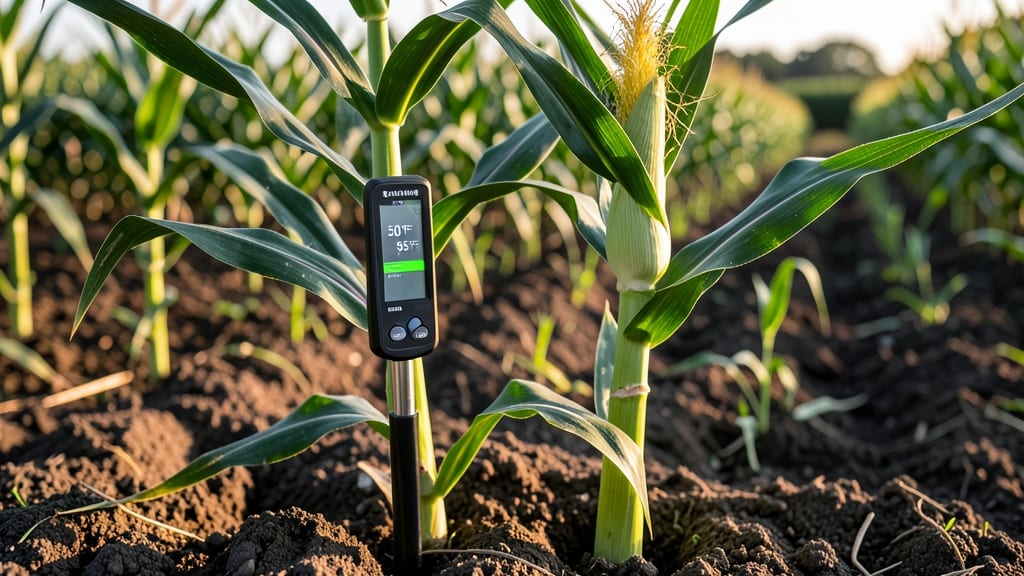
Getting your corn soil temperature right is the difference between a lush 🌽 harvest and a wasted season—because even the best seeds won’t sprout if the ground isn’t warm enough.
I’ve planted corn for years, and the biggest mistake isn’t overwatering or using poor soil—it’s ignoring the thermometer. Too cold, and your seeds rot in the ground. Too hot, and they bolt before forming ears. The sweet spot? A narrow window that changes as your corn grows.
Here’s what you need to know: the ideal soil temperature for planting 🌽, how to measure it accurately, and how to adjust it if your climate plays tricks. No more guessing—just science-backed steps to turn your plot into a cornfield.
We’ll cover everything from germination triggers to regional adjustments, so you can plant with confidence and avoid the heartbreak of stunted growth or failed harvests.
Optimal soil temperature for corn germination: degree ranges by seed type
When planting corn, most gardeners focus on soil prep and watering, but soil temperature is the hidden factor that determines whether your seeds will sprout at all. Corn seeds need precise warmth to activate germination—too cold, and they rot; too hot, and they dry out before sprouting.
Each corn type has slightly different needs, so knowing the exact ranges saves time and frustration.
For sweet corn, the ideal soil temperature for germination is between 50°F and 60°F (10°C–15.5°C). Field corn and popcorn, however, prefer slightly warmer soil, typically 60°F to 70°F (15.5°C–21°C).
These ranges aren’t just guesses—they’re based on seed biology, where enzymes inside the seed activate at specific temperatures to break down stored energy and kickstart growth.
🌱
Measuring soil temperature accurately is easier than you think. Use a soil thermometer—the kind with a long probe—to check depths of 1 to 2 inches, where most seeds are planted. Morning is the best time to measure because soil temperatures fluctuate less.
If your soil is below 50°F (10°C), germination will stall, and seeds may rot. Conversely, temperatures above 90°F (32°C) can cause seeds to dry out before sprouting.
For direct-sown corn, wait until the soil stays above the minimum germination temperature for your type for at least 2 weeks. If you’re transplanting seedlings, ensure the soil is at least 55°F (13°C)—cold soil shocks young roots and stunts growth.
In cooler climates, use black plastic mulch or row covers to warm the soil faster. In hot regions, shade cloth can prevent overheating.
🌡️
One common mistake is planting too early, assuming the air temperature is warm enough. Air temperature ≠ soil temperature—soil stays cooler longer, especially in spring. For example, in USDA Zone 5, soil may still be 40°F (4°C) in early May, while the air feels like summer.
Always check with a thermometer to avoid disappointment. If your soil is too cold, consider starting seeds indoors in biodegradable pots and transplanting later when conditions improve.
Regional adjustments matter too. In the South, soil warms quickly by late March or early April, while in the North, you may not see ideal temperatures until mid-to-late May. Pay attention to last frost dates and combine them with soil temperature data for the best results.
For instance, if your last frost is April 15 but the soil isn’t above 50°F (10°C) until May 1, wait for the latter.
📅
Even after germination, soil temperature affects early growth stages. Seedlings thrive when soil stays between 65°F and 85°F (18°C–29°C). Below 55°F (13°C), growth slows dramatically, and plants may develop weak stems or yellowing leaves.
Above 90°F (32°C), roots struggle to absorb water, leading to wilting or nutrient deficiencies. Monitoring soil temperature throughout the season ensures your corn matures strong and produces plump, high-quality ears.
🌽
How to adjust soil temperature for corn: practical tips for faster germination
Corn seeds need warm soil to germinate properly, but too much heat can stress young plants. The ideal soil temperature range for germination is 60–95°F (15–35°C), with 75°F (24°C) being perfect. If your soil is too cold, seeds may rot; if it's too hot, they'll dry out before sprouting.
I’ve learned the hard way—last year, my early planting failed because the soil was only 52°F (11°C)!
To check your soil temperature, use a soil thermometer (insert it 2 inches deep, where seeds will be). Early spring or high-altitude gardens often struggle with cold soil, while summer heat can push temperatures past 95°F (35°C), harming delicate seedlings.
The key is balancing warmth and moisture to create the perfect growing environment.
⚠️ callout warning ⚠️
⚠️ Warning: Temperature Stress Signs in Corn
- Cold soil (<55°F/13°C): Seeds rot, seedlings fail to emerge, or plants grow slow and leggy.
- Overheated soil (>95°F/35°C): Seeds dry out, seedlings wilt or crisp at the edges, or roots scorch.
- Fluctuating temps: Stunted growth, purple tinges in leaves (phosphorus deficiency), or weak stalks.
Fix: Use mulch for cold soil; shade cloth for heat; and water deeply in the morning to stabilize temps.
For cold soil, I recommend black plastic mulch—it absorbs sunlight and warms the soil by 5–10°F (3–6°C). Lay it down 1–2 weeks before planting to give the ground time to heat up.
Another trick? Row covers (lightweight fabric) trap warmth while letting sunlight through. If you’re in a hurry, electric soil warmers (like heating cables) can jumpstart germination in as little as 3–5 days.
When soil is too hot, shade cloth (30–50% coverage) blocks excess sunlight and keeps temps 10–15°F (5–8°C) cooler. Watering deeply in the morning also helps—moist soil retains heat better than dry soil.
Avoid evening watering, though, as damp leaves overnight invite fungal diseases like corn smut. I’ve seen overheated soil turn seedlings into crispy husks, so don’t skip this step!
Timing is everything. In northern climates, plant after the last frost when soil hits 60°F (15°C). In southern regions, start seeds indoors or use shade cloth to protect young plants from midday heat.
Pro tip: Plant deeper in hot climates (1.5–2 inches) to escape surface heat and find cooler soil layers. My early-season corn thrives when planted 1 inch deep in warm soil but struggles if buried too shallowly in cold ground.
Monitor your soil weekly with a thermometer, especially after rain or temperature shifts. Adjust mulch or shade as needed—consistency is key. With the right balance, you’ll see faster germination, stronger stalks, and bigger ears by harvest time. Trust me, your corn will thank you! 🌽