
How To
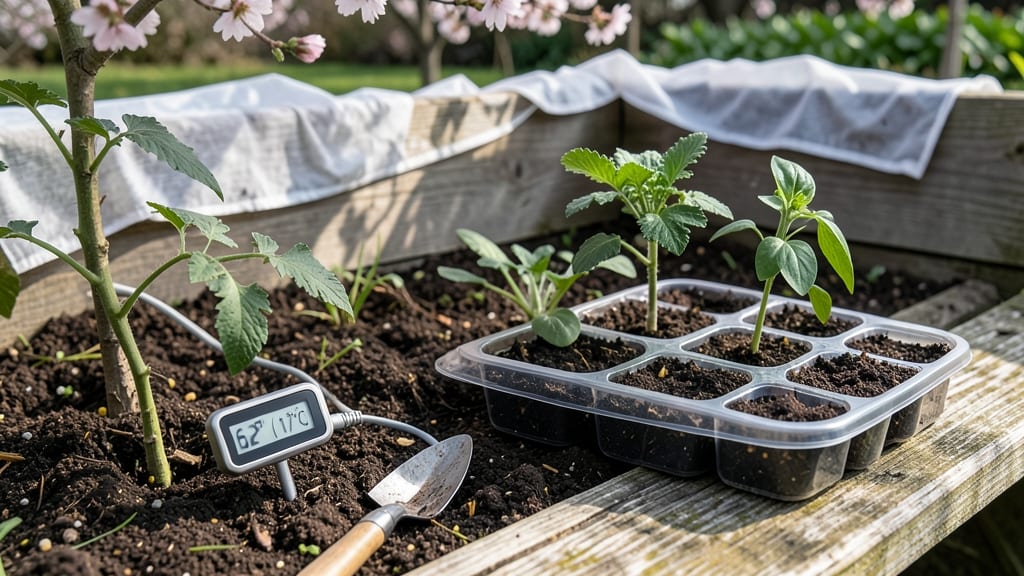
Soil temperature for planting determines seed germination and root growth, with most vegetables thriving between 60°F and 75°F, while cool-season crops like lettuce tolerate 40°F–50°F. Use a soil thermometer to check depth-specific readings before sowing seeds or transplanting seedlings.
Getting the right soil temperature for planting isn't just about waiting for spring—it's about giving seeds the perfect kickstart to break dormancy and grow strong roots. 🌱 Most warm-season plants like tomatoes and peppers won't even sprout below 60°F, while cool-season crops like spinach can handle temperatures as low as 40°F.
The key is checking 2-4 inches deep (where most seeds germinate), not just the air temperature. I've seen gardeners rush planting in chilly soil only to have seeds rot or fail to sprout—timing matters more than you'd think.
Different regions have their own planting windows, but a soil thermometer takes the guesswork out of it. For example, in Zone 5, you might wait until late May for warm-season crops, while Zone 9 gardeners can start earlier.
Pro tip: If your soil runs cold, try black plastic mulch to warm it up naturally—it can raise temperatures by 10-15°F in just a few days. The right temperature isn't just about speed; it's about setting your plants up for a healthier, more productive growing season.
💡 In This Article
- How Soil Temperature Affects Seed Germination and Plant Growth
- Best Soil Thermometers and When to Plant by Region
How soil temperature affects seed germination and plant growth
Soil temperature triggers enzymatic reactions inside seeds that control germination. When soil reaches a plant's ideal range, enzymes like amylase activate, breaking down starches into sugars that fuel root growth.
For warm-season crops like tomatoes, this happens most efficiently at 70-85°F, while cool-season crops like peas thrive at 50-65°F. Below these thresholds, enzymatic activity slows dramatically—sometimes by 50%—delaying sprouting or causing seeds to rot from excess moisture they can't metabolize.
The soil's microbial ecosystem also responds to temperature shifts. Beneficial bacteria and fungi multiply more actively in warmer soils (60°F+), helping break down organic matter into nutrients roots can absorb. In cold soils (50°F or lower), microbial activity drops sharply, reducing nutrient availability.
This is why cool-season crops often grow slowly in spring—even if air temperatures seem mild, the soil may still be too cold for optimal microbial support.
Moisture retention plays a hidden role too. Warmer soils evaporate water faster, which can stress young seedlings if not managed properly. That's why gardeners in hot climates often use mulch to slow moisture loss while maintaining soil warmth.
Conversely, cold soils hold moisture longer but may become waterlogged, suffocating roots. The ideal balance depends on your plant type—warm-season crops need quick moisture turnover, while cool-season varieties can tolerate slightly damper conditions.
Root development follows temperature cues too. Warm soils (70°F+) encourage rapid root elongation, allowing plants to establish quickly. Below 60°F, roots grow slower and may become stunted, making plants more vulnerable to disease.
This is why transplanting seedlings into cold soil often leads to poor survival rates—the roots struggle to adapt to the temperature shock.
Consider these key temperature zones for common crops:
- Cool-season crops (lettuce, spinach, peas): 40-50°F (some tolerate down to 32°F)
- Moderate-season crops (carrots, beets, onions): 50-65°F
- Warm-season crops (tomatoes, peppers, cucumbers): 70-85°F
- Tropical crops (sweet potatoes, okra): 80-95°F
What most gardeners miss is that soil temperature varies by depth. Surface soil warms faster than deeper layers, which is why seeds planted too shallow may dry out or overheat. Always check 2-4 inches deep—this is where most seeds germinate and young roots establish.
A soil thermometer reveals these hidden temperature gradients, helping you time plantings precisely for success. 🌱