
Tools
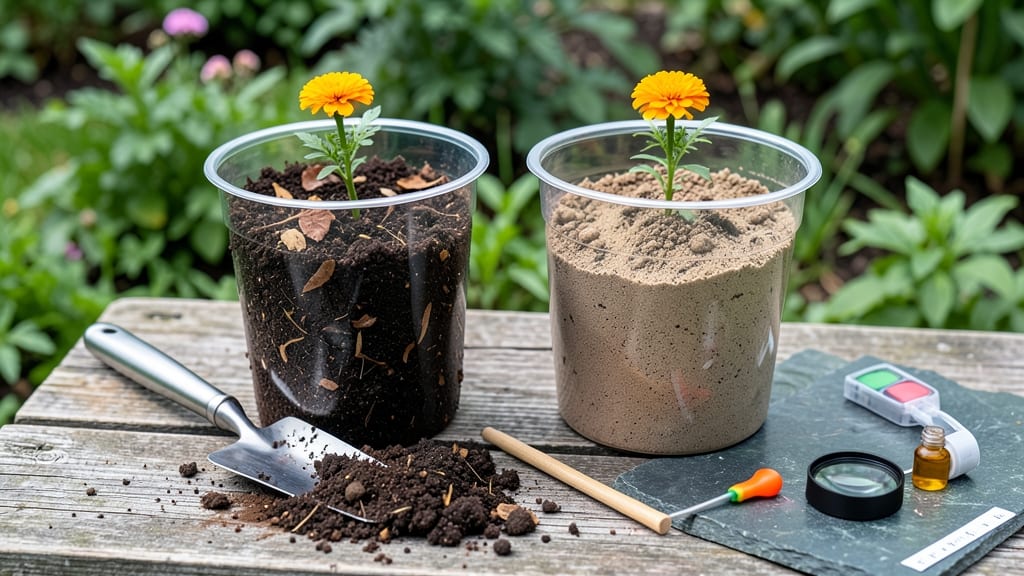
The difference between garden soil and topsoil boils down to one thing: what your plants actually need to thrive. 🌱 I’ve seen gardeners waste money buying the wrong type for their project—until I learned the key distinctions that make all the difference in root health and harvest size.
Garden soil is the nutrient-rich foundation plants crave, packed with organic matter, microbes, and slow-release fertility. It’s the kind that makes your tomatoes burst with flavor and your perennials return year after year.
But here’s the catch: it’s heavy on amendments and light on bulk—perfect for planting beds but not for leveling a yard. Topsoil, on the other hand, is the raw material—mostly mineral-based with minimal organic content.
It’s great for filling low spots or creating new garden beds, but plants struggle to grow directly in it without extra fertilizer. Think of it as the blank canvas before you add the masterpiece. For vegetable gardens and flower beds, garden soil wins every time.
For landscaping projects or raising garden heights, topsoil is your best bet. The right choice depends on whether you’re feeding roots or just filling space.
The first product explained
Meet Miracle-Gro Garden Soil—your ultimate partner for transforming bare patches into lush, thriving gardens! 🌱✨ Designed to bridge the gap between basic topsoil and premium garden soil, this product delivers a nutrient-rich, well-balanced blend perfect for planting flowers, vegetables, shrubs, and even lawns. Whether you're a seasoned gardener or just starting, Miracle-Gro Garden Soil is engineered to simplify your gardening journey while maximizing plant health and growth.
📏 Key Specifications
- Bag Size: 40 lbs (ideal for covering ~100 sq. ft.)
- Composition: Blend of composted bark, sphagnum peat moss, sand, and essential nutrients (nitrogen, phosphorus, potassium)
- Texture: Lightweight, crumbly, and easy to work with—no clumping or compaction
- pH Level: Slightly acidic to neutral (6.0–7.0), perfect for most plants
- Organic Matter: 20–30% organic content for sustained nutrient release
🌟 Standout Features
This isn’t just dirt—it’s a powerhouse for your plants! Here’s what sets it apart:
- Slow-Release Fertilizer: Built-in nutrients feed plants for up to 3 months, reducing the need for frequent fertilizing.
- Moisture Retention: Holds water efficiently while preventing soggy roots, thanks to its peat moss base.
- Weed & Pest Deterrent: The blend includes natural ingredients to suppress weeds and repel common garden pests.
- Versatile Use: Suitable for in-ground planting, raised beds, containers, and even seed starting.
- Eco-Friendly: Made with renewable resources and designed to break down naturally over time.
🎯 Who Is This For?
Miracle-Gro Garden Soil is a game-changer for:
- Beginners: No guesswork—just add soil and plant! The balanced formula ensures success even for first-timers.
- Vegetable Gardeners: Ideal for growing tomatoes, peppers, herbs, and leafy greens with minimal effort.
- Flower Enthusiasts: Perfect for annuals, perennials, and bulbs, promoting vibrant blooms all season.
- Lawn & Landscape Upkeep: Revitalizes tired lawns or fills in new plantings with ease.
- Container Gardeners: Lightweight and well-draining, it’s a top choice for potted plants.
💰 Price Point & Value
Priced at $12.99 per 40 lb. bag (or ~$0.32 per pound), Miracle-Gro Garden Soil offers exceptional value for its quality and convenience.
While it’s slightly more expensive than basic topsoil, the included nutrients and ease of use make it a cost-effective long-term investment. Pro Tip: Buy in bulk (multi-packs or at garden centers) to save even more! 💡
Ready to grow like a pro? Grab a bag and watch your garden flourish with minimal effort!
The second product explained
Meet Miracle-Gro Garden Soil with Continuous Release Plant Food—your ultimate companion for thriving gardens! 🌱 This premium blend is designed to give your plants the perfect foundation for growth, whether you're a seasoned gardener or just starting out.
🌿 Key Specs & Features
This 1.5 cubic foot bag is packed with essential nutrients, including:
- Continuous-release plant food for up to 3 months of nourishment
- Balanced N-P-K ratio (12-12-12) for all-purpose use
- Enhanced with mycorrhizae to boost root development
- Lightweight and easy to spread—no heavy lifting required!
- Ideal for vegetables, flowers, shrubs, and lawns
🎯 Who’s It For?
Perfect for:
- 🌻 Beginner gardeners who want hassle-free results
- 🍅 Vegetable and herb growers looking for nutrient-rich soil
- 🌺 Flower enthusiasts aiming for vibrant blooms
- 🏡 Homeowners revamping their yard or garden beds
💰 Price Point & Value
Priced at $12.99 per bag, Miracle-Gro Garden Soil offers exceptional value. With its long-lasting nutrients and versatility, it’s a cost-effective choice for maintaining a lush, healthy garden year-round. 💡 Pro Tip: Pair it with topsoil for deeper planting beds and even better growth!
🌟 Why Choose This Over Topsoil?
While topsoil is great for leveling and filling, this garden soil is pre-enriched with nutrients, making it ideal for direct planting. No need for extra fertilizers—just dig, mix, and watch your plants flourish!
Head-to-head comparison
🌱 Performance in Plant Growth
When it comes to nurturing your plants, the performance of garden soil and topsoil can make a world of difference. Here’s how they stack up:
| Factor | Garden Soil | Topsoil |
|---|---|---|
| Nutrient Content | ✅ Rich in organic matter (compost, decomposed plants, or manure). Ideal for long-term plant health and growth. | ⚠️ Lower in nutrients unless amended. Best for establishing a base layer rather than sustained feeding. |
| Moisture Retention | 💧 Excellent due to organic content, reducing the need for frequent watering. | 💦 Moderate. Drains faster, which can be good for root aeration but may require more frequent watering. |
| Drainage | 🌧️ Balanced. Organic matter helps prevent waterlogging while retaining enough moisture. | 🚀 Faster drainage. Great for sandy or clay-heavy areas but may need amendments for moisture retention. |
| Best For | 🌿 Vegetable gardens, flower beds, and established landscapes where plants need consistent nourishment. | 🏗️ Leveling uneven ground, filling in new garden beds, or reviving depleted soil before adding garden soil or compost. |
🔧 Features and Composition
Understanding what each type of soil is made of helps you decide which one fits your gardening needs best.
-
Garden Soil:
- 🌿 Mixed with compost, peat moss, or other organic amendments to boost fertility.
- 🔄 Often contains a blend of sand, silt, and clay for texture and structure.
- 🍄 May include beneficial microbes and earthworms that improve soil health over time.
-
Topsoil:
- 🏗️ Primarily composed of mineral particles (sand, silt, clay) with minimal organic matter.
- 📏 Less structured and often requires amendments to improve fertility and drainage.
- 🌍 Sourced from the uppermost layer of soil, making it naturally loose and easy to work with.
Pro Tip: 💡 If you’re using topsoil for a new garden bed, mix it with compost or garden soil (about 20-30%) to enhance its nutrient profile before planting.
💰 Price and Cost-Effectiveness
Budget plays a key role in choosing between garden soil and topsoil. Here’s how they compare:
| Factor | Garden Soil | Topsoil |
|---|---|---|
| Cost per Cubic Yard | $20–$50 | $10–$30 |
| Long-Term Value | 🌟 Higher. Reduces the need for frequent fertilizing or soil amendments due to its nutrient density. | 💸 Lower upfront but may require additional costs (e.g., compost, mulch, or fertilizer) to make it plant-ready. |
| Best for Budget Buyers | ✅ Ideal if you’re focusing on long-term plant health and want to minimize ongoing expenses. | ✅ Better for short-term projects like leveling ground or preparing a new garden area. |
Pro Tip: 🎯 If you’re on a tight budget, consider buying topsoil in bulk and mixing it with homemade compost or manure to stretch your dollar while improving soil quality.
🏗️ Durability and Longevity
How long each type of soil maintains its quality and effectiveness depends on its composition and how you use it.
-
Garden Soil:
- 🌱 Lasts longer because of its organic content, which decomposes slowly and continuously enriches the soil.
- 🔄 Requires less frequent replenishment compared to topsoil, especially in established gardens.
- ⚠️ Can compact over time if not aerated or mixed with mulch.
-
Topsoil:
- ⏳ Depletes faster since it lacks organic matter to sustain nutrients.
- 🌱 Needs regular amendments (like compost or fertilizer) to remain productive.
- 🏗️ Great for structural projects (e.g., building raised beds) but may not hold up as well for long-term planting.
Pro Tip: 🌡️ To extend the life of your garden soil, add a 2-3 inch layer of mulch annually to slow erosion, retain moisture, and feed the soil as it breaks down.
🌦️ Suitability for Different Climates
Not all soils perform equally in every climate. Here’s how they adapt:
| Climate Type | Garden Soil | Topsoil | |||||||||||
|---|---|---|---|---|---|---|---|---|---|---|---|---|---|
| Arid/Dry Climates | 💧 Excellent moisture retention helps plants thrive with less water. | ⚠️ May dry out quickly; requires frequent watering or moisture-retaining amendments. | |||||||||||
| Humid/Tropical Climates | 🌿 Well-draining blends prevent root rot while retaining enough moisture. | 🌧️ Can become waterlogged; may need sand or perlite to improve drainage. | |||||||||||
| Cold Climates | 🥶 Insulating organic matter protects roots from extreme temperatures. | ❄️ Poor insulation; may require mulching or blending with compost to retain heat. | |||||||||||
| Urban/Container Gardening | 🏙️ Perfect for pots and
Which one should you choose?So, you’ve weighed the differences between garden soil and topsoil, and now you’re wondering which one is the right fit for your green thumb goals? 🌱 The answer depends on your project, budget, and long-term plans. Here’s a clear verdict and tailored recommendations to help you decide: 🌿 For New Gardeners or Small Projects:If you’re just starting out or working on a small garden bed, garden soil is your best bet. It’s already enriched with nutrients, organic matter, and amendments, so you won’t need to fuss over mixing in compost or fertilizers. Perfect for:
Pro tip: 💡 Mix garden soil with a little compost to boost fertility for the first few months. 🏗️ For Large-Scale Landscaping or Lawns:If you’re leveling a yard, filling in low spots, or creating a new lawn, topsoil is the heavyweight champion. It’s cost-effective, easy to spread, and provides a sturdy base for grass, ground covers, or even a vegetable patch. Ideal for:
Pro tip: ✨ For lawns, topsoil should be amended with compost (about 1-2 inches mixed in) before seeding for better root growth. 🌱 For Serious Gardeners or Vegetable Farming:If you’re growing high-yield crops, fruits, or vegetables, garden soil wins again—but with a twist. While it’s nutrient-rich out of the bag, topsoil can be a game-changer when layered under garden soil. Here’s how:
Pro tip: 🎯 Test your soil’s pH and nutrient levels before layering—adjust with lime or sulfur if needed! 💰 Budget-Friendly Hack:Don’t have the funds for both? Start with topsoil to build your base, then top-dress with garden soil or compost over time. This hybrid approach saves money while still giving your plants the best of both worlds. Still unsure? Ask yourself:
Happy planting! Your garden (and wallet) will thank you. 🌟 |