
Tools
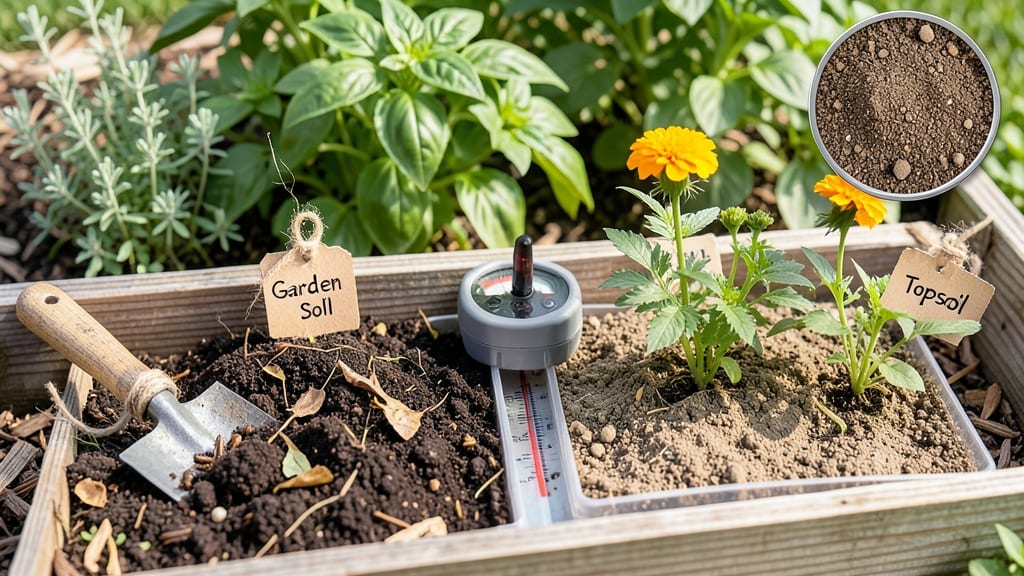
Garden soil and topsoil are not the same thing: topsoil is the nutrient-rich uppermost layer of soil found naturally in landscapes, while garden soil is typically a custom blend designed for planting with added compost and amendments. Their distinct properties make them suited for different gardening needs.
Topsoil is the natural, organic layer found at the surface of any outdoor space, packed with essential nutrients and microbial life that support plant roots. 🌱 It’s what you’d find in a forest or meadow, but its nutrient levels can vary widely depending on location and climate.
Garden soil, on the other hand, is intentionally formulated for optimal plant growth—often enriched with compost, sand, or fertilizers to improve texture, drainage, and fertility. This makes it ideal for vegetable gardens or potted plants where precision matters.
For example, if you’re laying new sod or creating a lawn, topsoil is your best bet because it provides a stable foundation with natural structure. But when planting delicate herbs or vegetables, garden soil ensures they get the balanced nutrition they need to thrive.
The key difference lies in their purpose: one is nature’s original layer, while the other is a gardener’s tailored solution.
💡 In This Article
- Topsoil vs Garden Soil Composition Breakdown
- When to Use Topsoil vs Garden Soil in Your Yard
Topsoil vs garden soil composition breakdown
Topsoil is nature's original planting medium, formed over centuries through the decomposition of organic matter like leaves, plants, and animal remains. It typically contains 5-10% organic material, with a texture ranging from sandy to clay-like depending on location.
The nutrient density varies widely—urban topsoil might have 0.5-1.5% nitrogen, while forest topsoil can reach 2-4% nitrogen due to leaf litter accumulation. This natural variation makes topsoil unpredictable for precise gardening needs.
Garden soil, however, is a carefully engineered product designed for optimal plant growth. A standard blend might contain 20-30% compost, 40-50% topsoil, and 20-30% sand or perlite to improve drainage and aeration.
The pH is often adjusted to 6.0-7.0 (slightly acidic to neutral), creating ideal conditions for most vegetables and flowers. For comparison, natural topsoil can range from 4.5 (acidic) to 8.5 (alkaline), which may not suit all plants.
The structural differences are equally significant. Topsoil particles are often tightly packed, especially in clay-heavy areas, which can restrict root growth. Garden soil incorporates air pockets through its composition, allowing roots to breathe and access nutrients more efficiently.
This is why garden soil feels lighter and crumbles more easily between fingers—it's been designed for optimal root penetration and microbial activity.
Nutrient availability is another key distinction. Topsoil's nutrients are often locked in organic matter that decomposes slowly, while garden soil contains immediately available nutrients from compost and fertilizers.
For example, a bag of garden soil might contain 0.5-1.0% phosphorus and 0.2-0.5% potassium from added amendments, compared to natural topsoil's 0.05-0.2% phosphorus. This makes garden soil ideal for nutrient-hungry plants like tomatoes or peppers that need consistent feeding.
Consider the microbial ecosystem: garden soil often contains 100,000-1,000,000 beneficial microbes per gram due to added compost, while natural topsoil might have 10,000-100,000 microbes per gram. These microbes help break down nutrients and protect plants from pathogens.
The difference is like comparing a thriving rainforest ecosystem to a more limited prairie environment—both support life, but one is clearly optimized for specific needs. 🌱
One final consideration is moisture retention. Garden soil's blend of organic matter and sand creates a sponge-like structure that holds 20-30% more water than natural topsoil while preventing waterlogging. This balance is crucial for container gardening or drought-prone areas where consistent moisture is essential for plant health.