
Pests
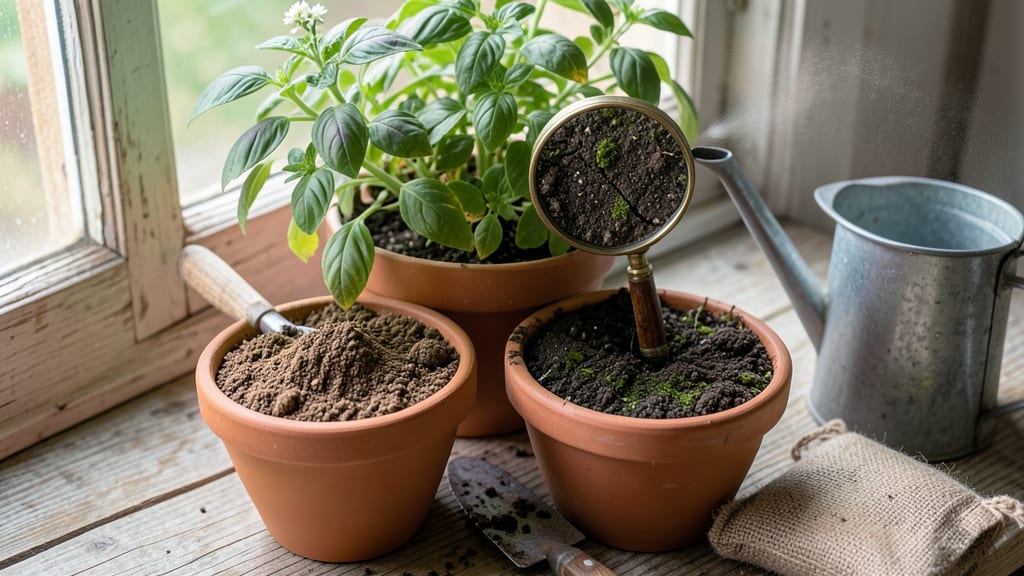
Potting soil doesn’t just "get old"—it turns into a plant-killer if you ignore the warning signs. 🌱 I’ve watched bags of soil go from fluffy and fertile to compacted, nutrient-depleted brick that suffocates roots, and I’m here to tell you exactly when to toss it (or refresh it) for good.
The biggest giveaways are hardened clumps that refuse to break apart, a musty smell instead of that fresh earthy scent, or plants that yellow despite regular watering. Even "new" soil can degrade in 6-12 months if stored improperly—moisture, heat, and pests turn it into a science experiment gone wrong.
Here’s the game-changer: compost or worm castings can revive tired soil for another season, but if it’s truly past saving, replace it completely. The payoff? Plants that thrive instead of struggle, with roots that breathe and leaves that stay vibrant all season long.
Whether you’re dealing with a single pot or a greenhouse full, these tricks work for any container garden. Let’s get that soil working for you again—before your plants start sending SOS signals.
📚 In This Guide
- What you need
- Instructions
- Tips and common mistakes
- Wrapping up and next steps
What you need
- ● Fresh potting soil: 1–2 bags (5–10 lbs each), depending on pot size. Opt for a sterilized, peat-free mix with perlite or vermiculite for aeration.
- ● Gloves: 1 pair (nitrile or rubber) to protect your hands from old soil pathogens or sharp debris.
- ● Trowel or small shovel: 1 (6–8 inches long) for digging and mixing.
- ● 5-gallon bucket or wheelbarrow: 1 to collect old soil for disposal or composting.
- ○ Disinfectant (optional but recommended): 70% isopropyl alcohol or a 1:10 bleach-water solution (for tools/containers).
- ○ pH testing kit: 1 (optional but helpful for balancing nutrients).
- ● Compost or worm castings: 1–2 cups (to revitalize old soil with organic matter).
- ● Slow-release fertilizer: 1–2 tbsp per gallon of new soil (e.g., osmocote or fish emulsion).
- ● Biochar or coconut coir: ½ cup per bag (improves drainage and microbial life).
- ● Mycorrhizal fungi: 1 packet (boosts root health in long-term containers).
- ● Food-safe container: 1 (for mixing—clean plastic bins or galvanized metal trays work).
Step-by-Step guide to assessing and refreshing your potting soil
Here’s how to tell if your soil has hit its prime—and how to revive or replace it.
🌱 Step 1: Check for Physical Signs of Degradation
First, grab a handful of your used potting mix and squeeze it gently. If it crumbles into a dense, hard clump that won’t break apart easily, it’s lost its ideal air-to-water balance. Healthy soil should feel light and fluffy, almost like a sponge that springs back when compressed. Look for visible roots growing into a solid mass—this is a red flag that the soil has compacted and can’t support new growth.
Next, inspect the surface for a crusty layer. Over time, minerals and organic matter break down, leaving behind a crust that repels water instead of absorbing it. If water beads up on top instead of soaking in within seconds, your soil’s structure has degraded. This crust also blocks oxygen, suffocating roots and inviting fungal issues. Real talk: if you’ve reused the same mix for more than two years without amendments, it’s past its prime.
💧 Step 2: Test Moisture Retention and Drainage
Fill a clean container with your suspect potting mix and water it thoroughly until it’s damp but not soggy. Let it sit for 10 minutes, then dig your finger in about 2 inches deep. If the soil feels bone-dry at that depth, it’s lost its ability to retain moisture—likely because the organic matter has decomposed completely. Conversely, if the soil stays sopping wet for hours, it’s compacted and drains poorly, which can rot roots.
For a quick test, pour a small amount of water onto the surface. If it pools or runs off instead of being absorbed within 10-15 seconds, your soil’s porosity is gone. Healthy soil should drink up water like a thirsty plant, not reject it like a raincoat. This is the moment that matters: if drainage is off, you’ll need to amend or replace the mix entirely.
✂️ Step 3: Assess Nutrient Levels and pH Balance
Old potting soil often looks fine but lacks the nutrients plants crave. Grab a small sample and smell it—if it has a strong, sour, or musty odor, microbial activity has shifted, and beneficial bacteria are likely depleted. Healthy soil should have a mild, earthy scent, not a funky one. For a visual cue, check for a lack of dark, crumbly organic matter. If your mix looks uniformly light and sandy, it’s lost its fertility.
Use a simple pH test kit to check the balance. Most container plants thrive in a slightly acidic to neutral range (6.0–7.0). If your soil tests below 5.5 or above 7.5, it’s thrown off balance, which locks out essential nutrients like nitrogen and phosphorus. Amending with lime (to raise pH) or sulfur (to lower it) can help, but if the soil is severely depleted, it’s better to start fresh.
🪴 Step 4: Decide: Revive or Replace?
If your soil only shows minor issues—like slightly compacted texture or mild nutrient depletion—you can revive it by mixing in 20–30% fresh potting mix or 1–2 cups of compost per gallon. This rejuvenates structure and adds back organic matter. For example, if you have 3 gallons of old mix, blend in 1 gallon of new potting soil and ½ cup of compost, then fluff it with a fork to restore aeration.
But if the soil is crusty, water-repellent, or smells foul, it’s past saving. In this case, replace it entirely—especially for sensitive plants like seedlings or orchids, which need pristine conditions. Here’s the thing: old soil can harbor pathogens or pests, so don’t risk it. When in doubt, toss it and start fresh with a sterile, peat-based mix for best results.
Tips & tricks for refreshing your potting mix
Don't let old soil sabotage your plants—these insights will help you diagnose and fix common issues before they affect your garden.
Texture Test: When assessing soil in Step 1, press your thumb into the mix—healthy soil should spring back slowly, not collapse. If it stays indented, the organic matter has broken down, and you need to add 20–30% fresh potting mix to restore structure. For a quick fix, work in ½ cup of perlite per gallon to improve aeration without replacing everything.
Moisture Timing: The 10-minute wait in Step 2 is crucial—don't rush it! This gives water time to distribute evenly, revealing whether your soil can hold moisture or if it's become hydrophobic. If it's water-repellent, try adding 1 tablespoon of dish soap per gallon (yes, really!) to break surface tension and restore absorption.
Scent Warning: A musty odor in Step 3 signals microbial imbalance, often from overwatering or decomposed organic matter. To revive slightly affected soil, mix in 1 cup of coconut coir per gallon—it introduces beneficial fungi while improving moisture retention. For severely foul-smelling soil, replace it entirely to prevent root rot.
pH Precision: When testing pH in Step 3, aim for 6.0–7.0—this range unlocks nutrient availability. If your soil tests below 5.5, sprinkle in 1 teaspoon of garden lime per gallon and mix well. For acidic soils above 7.5, use ½ teaspoon of elemental sulfur per gallon, but monitor closely—pH adjustments take time to stabilize.
Pro Tips for Does Potting Soil Get Old
- Don't let old soil sabotage your plants—these insights will help you diagnose and fix common issues before they affect your garden.
- Texture Test: When assessing soil in Step 1, press your thumb into the mix—healthy soil should spring back slowly, not collapse.
- Moisture Timing: The 10-minute wait in Step 2 is crucial—don't rush it!
Frequently asked questions
Got questions about your potting soil’s shelf life or performance?
Here are answers to the most common concerns—so you can keep your plants thriving without wasting a single bag!
How long does potting soil last before it "goes bad"?
Unopened potting soil typically stays fresh for 1–2 years if stored in a cool, dry place. Once opened, it’s best used within 6–12 months—moisture loss and nutrient degradation speed up over time. If it smells musty, looks compacted, or grows mold, toss it!
Can I still use old potting soil if it’s just dry?
Yes! Dry soil isn’t "bad," but it’s less ideal for plants. Rehydrate it by mixing in water or compost, or blend it with fresh soil (50/50 ratio) to revive nutrients. Avoid using it for seedlings—fresh soil is gentler on delicate roots.
What are the signs my potting soil has pests or diseases?
Watch for webbing, tiny holes, or crawling insects (fungus gnats, mites). Musty odors or white/fuzzy mold mean it’s contaminated. Disinfect by baking soil at 200°F for 30 minutes (if safe) or replace it entirely—pests spread fast!
Is it cheaper to refresh old soil or buy new?
Refreshing is cost-effective! Mix old soil with compost, perlite, or worm castings (20–30% ratio) to boost nutrients. Buying new is better for seedlings or sickly plants, but repurposing saves money and reduces waste. Win-win!
Can I use garden soil instead of potting soil?
Not recommended!
Garden soil compacts easily, lacks drainage, and may harbor weeds/seeds. Potting soil is sterilized, airy, and nutrient-balanced for containers. If you’re desperate, amend garden soil with sand, peat moss, and compost—but potting mix is the gold standard.
Wrapping up and next steps
So, does potting soil really get old? Absolutely—just like a well-loved pair of gardening gloves, it can lose its magic over time! 🌱 The key is to spot the red flags (like pests, funky smells, or stubborn compaction) and act before your plants pay the price.
With a little fresh mix and proactive care, your soil can stay vibrant and full of life for seasons to come.
Ready to give your plants the best home possible? Take stock of your current potting soil today—check for those telltale signs, and refresh it if needed. Your green thumbs (and your plants!) will thank you. 🌿