
Tools
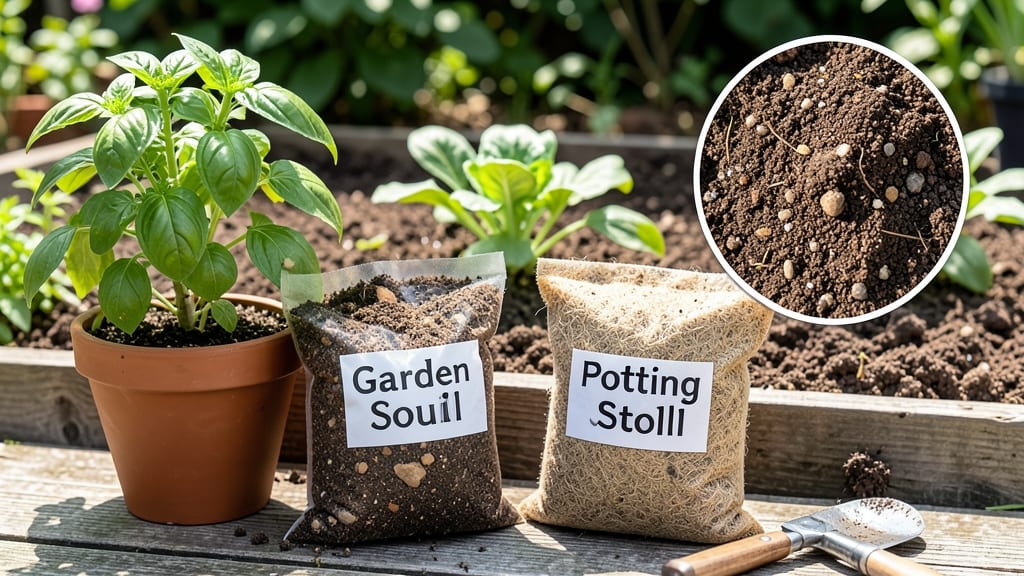
The right soil makes all the difference—garden soil and potting soil aren't interchangeable. 🌱 I learned that the hard way when my container plants wilted despite regular watering, while my in-ground tomatoes thrived. The secret lies in their textures, nutrients, and drainage—each designed for a specific purpose.
Garden soil is your foundation for in-ground planting: it's heavier, packed with organic matter, and holds moisture well. It's what you find naturally in your yard or buy in bulk for raised beds.
Potting soil, on the other hand, is lightweight, airy, and packed with perlite or vermiculite to prevent compaction. It's formulated to drain quickly in containers, where roots can't spread freely.
You'll see the difference in plant health almost immediately: container plants in garden soil suffocate, while in-ground plants in potting soil dry out too fast. The right choice depends on where you're planting—garden soil for the earth, potting soil for pots.
For containers, I mix potting soil with 20% compost for extra nutrients without sacrificing drainage.
Common mistake? Using garden soil in pots or potting soil in the ground. Both lead to poor growth. Test your soil first—amend garden soil with compost, and stick to potting soil for containers. Your plants will thank you with stronger roots and bigger blooms.
The first product explained
Meet Miracle-Gro Garden Soil—your ultimate companion for outdoor gardening adventures! 🌱✨ Designed to breathe life into lawns, flower beds, and vegetable gardens, this premium blend is packed with nutrients and organic matter to help your plants thrive in the great outdoors. Whether you're a seasoned gardener or just starting, this soil is here to make your green dreams a reality.
📏 Specs & Features
This 1.5 cubic foot bag of Miracle-Gro Garden Soil is a powerhouse for outdoor projects. Here’s what makes it stand out:
- Nutrient-rich formula: Infused with essential nutrients like nitrogen, phosphorus, and potassium to support strong root development and vibrant growth.
- Organic matter blend: Contains composted materials and natural ingredients to improve soil structure and water retention.
- Perfect for: Lawns, flower beds, shrubs, trees, and vegetable gardens.
- Easy to use: Lightweight and easy to spread, making it ideal for both small patches and large garden areas.
- Weather-resistant: Helps plants withstand drought and extreme temperatures.
🎯 Target Users
This product is a must-have for:
- Home gardeners looking to enhance their lawns or flower beds.
- Vegetable and herb enthusiasts who want a nutrient-dense growing medium.
- Landscapers and DIYers tackling outdoor projects.
- Anyone who wants to improve soil health naturally without synthetic chemicals.
💰 Price Point
Priced at $6.99 per 1.5 cubic foot bag, Miracle-Gro Garden Soil offers exceptional value for its quality and performance. While it may be slightly more expensive than basic garden soil, the long-term benefits—like healthier plants and reduced need for fertilizers—make it a worthwhile investment.
For larger projects, consider buying in bulk to save even more!
💡 Pro Tip: Mix this soil with your existing garden soil for a nutrient boost without overhauling your entire plot. Perfect for revitalizing tired or nutrient-poor soil!
The second product explained
Meet Miracle-Gro Indoor Potting Mix—the ultimate companion for your container gardening adventures! 🌱✨ If you're all about nurturing plants in pots, window boxes, or hanging baskets, this premium potting soil is designed to give your greens the head start they deserve. Let’s break down what makes it a standout choice for urban gardeners, indoor plant lovers, and DIY enthusiasts alike.
📏 Key Specs & Features
This product is engineered for fast-draining, nutrient-rich growth, with a blend that includes:
- Peat moss for moisture retention and aeration
- Perlite or vermiculite to prevent compaction and improve root oxygen flow
- Slow-release fertilizer (12-12-12 NPK ratio) for up to 3 months of nourishment
- Worm castings to boost microbial activity and plant health
- pH-balanced formula (5.5–6.5) for optimal nutrient uptake
Perfect for herbs, veggies, flowers, and houseplants, this mix is lightweight yet sturdy—ideal for containers, raised beds, and seed-starting trays. Plus, it’s sterilized to eliminate weeds, pests, and diseases, so you can focus solely on watching your plants thrive!
🎯 Who’s It For?
This potting soil is a game-changer for:
- 🏡 Urban gardeners with limited outdoor space
- 🌿 Indoor plant parents (think ferns, succulents, or snake plants)
- 🍅 Container veggie growers (tomatoes, peppers, and herbs love it!)
- 🌸 Flower enthusiasts cultivating blooms in pots or hanging planters
- 👩🌾 Beginners and pros who want a hassle-free, high-performance mix
💰 Price Point & Value
Priced at $6.99–$12.99 per 8–12 quart bag (depending on retailer and bulk options), this potting mix offers exceptional value. While it’s slightly more expensive than generic garden soil, the long-term benefits—like healthier plants, fewer fertilizers, and reduced risk of pests—make it a worthwhile investment.
For heavy users, buying in bulk (e.g., 40-quart bags) can slash costs per quart significantly!
Pro tip: 💡 Mix this with a bit of compost or coco coir for extra moisture retention if you’re growing thirsty plants like basil or impatiens!
Head-to-head comparison
🌱 Performance: How They Support Plant Growth
When it comes to nurturing your plants, performance is everything! Garden soil and potting soil are designed for different environments, and their performance varies based on the needs of your plants. Let’s break it down:
- Garden Soil:
- Natural & Nutrient-Rich: Garden soil is packed with organic matter like decomposed leaves, grass clippings, and compost. This makes it ideal for outdoor plants, which can access nutrients from the broader ecosystem, including rainwater, sunlight, and even beneficial microbes in the ground. 🌧️🌿
- Drainage & Aeration: While garden soil drains well, its composition can vary widely depending on your location. Clay-heavy soils may retain too much moisture, while sandy soils might drain too quickly. Amending it with compost or organic matter can help balance these extremes.
- Best For: Vegetables, perennials, shrubs, trees, and lawns. It’s the backbone of any outdoor garden because it mimics the natural environment where plants thrive.
- Potting Soil:
- Lightweight & Airy: Potting soil is formulated to be lightweight and well-aerated, which is crucial for container gardening. It often includes perlite, vermiculite, or coconut coir to improve drainage and prevent compaction. This ensures roots get the oxygen they need to grow, even in confined spaces. 🏺💨
- Moisture Retention: Unlike garden soil, potting soil is designed to retain moisture longer without becoming waterlogged. This is perfect for indoor plants or containers where water evaporates quickly.
- Best For: Houseplants, herbs in pots, seedlings, and any plant grown in containers. It’s a controlled environment, so the soil is optimized to prevent root rot and provide consistent nutrients.
🔧 Features: Composition & Additives
What’s really in your soil? The ingredients make all the difference in how your plants grow. Here’s what sets them apart:
| Feature | Garden Soil | Potting Soil |
|---|---|---|
| Primary Ingredients | Topsoil, clay, sand, silt, organic matter (compost, manure), and native microbes. | Peat moss, coconut coir, compost, perlite, vermiculite, and sometimes slow-release fertilizers. |
| Texture | Can be heavy (clay) or loose (sandy), depending on location. Often requires amending. | Light, fluffy, and designed to stay loose to prevent compaction. |
| Drainage | Varies; may need amendments like sand or compost to improve drainage. | Excellent drainage due to additives like perlite or bark. |
| Nutrient Availability | Nutrients are naturally present but may require supplementation (e.g., fertilizer) for heavy feeders like tomatoes or roses. | Often pre-mixed with fertilizers or organic matter to provide quick nutrients. |
| Microorganisms | Rich in natural microbes that break down organic matter and support plant health. | May contain beneficial microbes but is often pasteurized to reduce pests and diseases. |
💡 Pro Tip: If you’re using garden soil in pots, mix it with perlite or compost to mimic the aeration and moisture retention of potting soil. Conversely, amending garden soil with organic matter can boost its nutrient profile!
💰 Price: Cost-Effectiveness for Your Garden
Your wallet will thank you for knowing which soil to invest in. Here’s how the costs compare:
- Garden Soil:
- Generally Cheaper: Since it’s sourced directly from the earth, garden soil is often the most budget-friendly option. You can even harvest it for free from your own yard or a local farm! 🌍💸
- Long-Term Savings: For outdoor gardens, you only need to replenish nutrients with compost or fertilizer occasionally, making it cost-effective over time.
- Potential Downsides: If your native soil is poor (e.g., rocky or clay-heavy), you may need to spend extra on amendments like compost or sand.
- Potting Soil:
- More Expensive: Potting soil is a processed product with added ingredients like peat moss, perlite, and fertilizers, which drive up the cost. A 1 cubic foot bag can range from $3 to $8, depending on quality.
- Convenience Factor: While pricier upfront, potting soil saves time and effort because it’s ready to use straight out of the bag—no amending required!
- Eco-Friendly Options: Look for potting mixes made with coconut coir or recycled materials to reduce environmental impact and potentially lower costs.
🎯 Budget Hack: Extend the life of potting soil by adding a layer of compost or worm castings on top. This reduces the need to repurchase soil frequently and gives your plants a nutrient boost.
🏗️ Durability: Longevity & Reusability
How long will your soil last? Durability matters, especially if you’re planning a long-term garden project.
- Garden Soil:
- Renewable Resource: Garden soil is virtually endless if you have access to a yard or can source it locally. It replenishes naturally with seasonal changes and organic matter decomposition. 🌱🔄
- Nutrient Depletion: Over time, nutrients in garden soil can deplete, especially if you’re growing heavy feeders like corn or squash. Regular composting or fertilizing is key to keeping it productive.
- Physical Changes: Soil structure can degrade due to erosion, compaction, or weather conditions. Adding organic matter helps maintain its health.
- Potting Soil:
- Limited Lifespan: Potting soil breaks down faster than garden soil, especially in containers where it’s exposed to frequent watering and temperature fluctuations. Most mixes last 1-2 years before needing replacement.
- Composting Potential: Once used, potting soil can be composted (if not contaminated with pests or diseases) to create nutrient-rich humus for future gardens. 🌿♻️
- Sterility Concerns: Since potting soil is often pasteurized, it lacks the natural microbes found in garden soil. Over time, it may require re-inoculation with beneficial bacteria or fungi.
✨ Sustainability Tip: Save money and reduce waste by reusing potting soil for non-edible plants like ornamental flowers or herbs. Just refresh it with a top layer of compost before replanting!
🌡️ Environmental Suitability: Where to Use Each
Not all soils are created equal—and not all plants thrive in the same conditions. Here’s where each type shines:
- Garden Soil:
- Outdoor Gardens:
Which one should you choose?
So, you’ve weighed the differences between garden soil and potting soil, and now it’s time to decide which one fits your green thumb’s needs best. 🌱 The right choice depends on your project, budget, and the type of plants you’re nurturing.
Here’s a clear breakdown to help you make the final call:
🌿 Use Garden Soil When...
- Planting in the ground: Garden soil is the natural fit for perennials, shrubs, trees, and vegetables grown directly in your yard. Its texture and nutrient density support long-term root development.
- Large-scale landscaping: If you’re revamping flower beds, lawns, or garden plots, bulk garden soil is cost-effective and sustainable.
- Amending existing soil: Mix it with compost or potting soil to improve poor-quality ground soil for better drainage and fertility.
🏺 Use Potting Soil When...
- Container gardening: Potted plants (herbs, succulents, or flowering annuals) thrive in lightweight, well-draining potting soil that prevents waterlogging.
- Seed starting: Its sterile, nutrient-rich formula gives seedlings the perfect head start without competing with weeds or pests.
- Small spaces or balconies: Ideal for urban gardeners or those with limited outdoor space who need a reliable, easy-to-handle medium.
💡 Pro Tip for Hybrid Solutions:
Need the best of both worlds? Mix them! For example, blend potting soil with garden soil (50/50) to create a custom medium for heavy feeders like tomatoes or peppers in containers. Just ensure the mix drains well to avoid root rot.
💰 Budget-Friendly Hack:
If you’re on a budget, reuse potting soil for non-edible plants (like ornamental flowers) by sterilizing it in the oven (200°F for 30 minutes) to kill pathogens. Garden soil, however, is best used fresh for edibles.
Still unsure? Start small! Test a few plants in both soils to see which performs better for your climate and plant types. Happy gardening—your plants will thank you! 🌸
- Outdoor Gardens: