
Advice
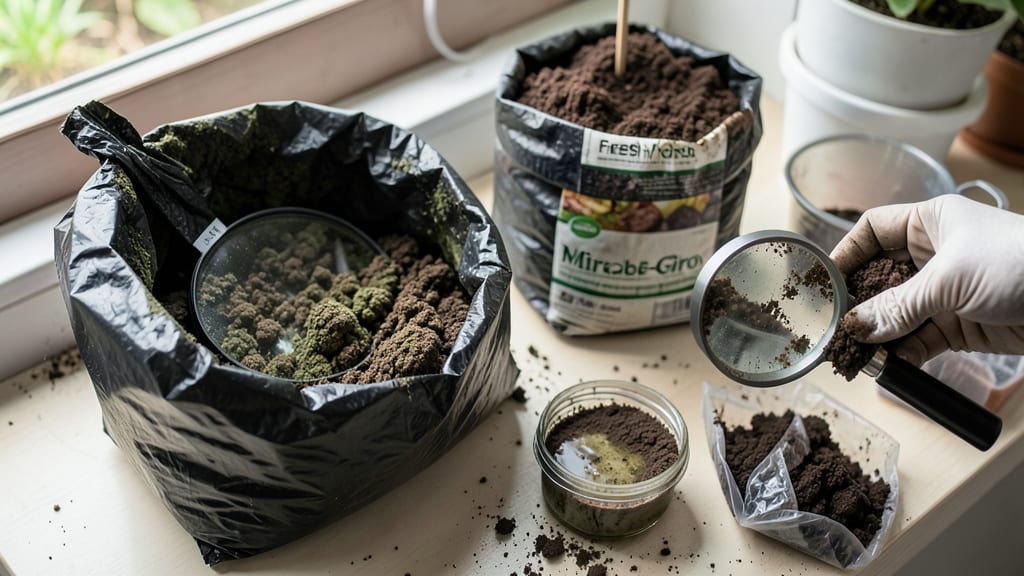
Bagged soil does go bad over time, typically lasting 1-3 years unopened when stored properly, but deteriorating faster if exposed to moisture, pests, or temperature extremes. Freshness depends on type and storage conditions.
Soil spoilage happens when organic matter breaks down, microbes multiply, and nutrients degrade. 🌱 Potting mixes with peat moss or compost last shorter than sterile bagged soil blends, which can last up to 5 years if sealed and dry.
I always check for mold or foul odors—those are clear signs to toss it. Even "fresh" soil can lose potency if stored in damp basements or garages where temperature swings occur.
For gardeners, the shelf life difference between organic and sterile soil matters. Organic mixes degrade faster because living microbes consume nutrients, while sterile blends stay stable longer. That said, never use soil that smells sour or has visible mold—your plants won't thrive, and you might introduce pathogens to your garden.
💡 In This Article
- How Long Does Bagged Soil Stay Fresh and Why
- Signs Your Bagged Soil Has Gone Bad and How to Test It
How long does bagged soil stay fresh and why
Bagged soil's shelf life hinges on microbial activity and organic matter decomposition. Unsterilized mixes contain living microbes that break down organic materials like compost or peat moss, which can degrade within 6-12 months if exposed to warmth or moisture.
Sterile blends, however, undergo heat treatment (180-212°F) to kill microbes, extending their lifespan to 3-5 years when stored properly. The key difference lies in moisture retention—dry soil stays fresh longer because microbial growth thrives in damp conditions.
Nutrient degradation accelerates when soil sits too long. For example, nitrogen-rich compost loses up to 30% of its fertility after 1 year due to microbial consumption.
Meanwhile, pH levels can shift slightly over time, especially in acidic peat-based mixes, which may drop from 5.0-6.0 to 4.5 or lower if stored in plastic bags that trap gases. This acidification can stress plants when used, even if the soil appears visually intact.
Temperature extremes are the silent spoilage accelerators. Soil stored above 75°F (like in a garage) sees microbial activity double, while freezing (32°F or below) can kill beneficial microbes but also preserve harmful pathogens if thawed improperly.
That's why I always store bags in a cool, dry place—ideally 50-65°F—to balance microbial dormancy and nutrient stability. 🌡️
Moisture is the #1 enemy of long-term soil freshness. Even slightly damp soil can develop mold within 2-4 weeks due to fungal growth, while completely dry soil may last years. Check the bag's seal: tiny punctures let in humidity, triggering decomposition.
For example, a 5-gallon bag with a 0.1-inch hole can absorb enough moisture from the air to become unusable in 3-6 months.
Sterilization methods matter too. Steam-sterilized soil (common in potting mixes) has a cleaner microbial profile than chemically treated or untreated soil. The heat process kills weed seeds and pathogens, but over time, new contaminants can enter through poor storage.
That's why premium brands use double-layered Mylar bags with oxygen absorbers—these create an almost sterile environment that preserves soil for up to 5 years.
Here's what's actually happening at the microscopic level: Soil organic matter contains cellulose and lignin, which microbes slowly digest into simpler compounds. This process releases carbon dioxide and water, altering the soil's structure and nutrient availability.
In unsterilized soil, this breakdown is rapid and visible as clumping or sour smells. In sterilized soil, the process is minimal but still occurs—just at a much slower pace. 🔬