
Tools
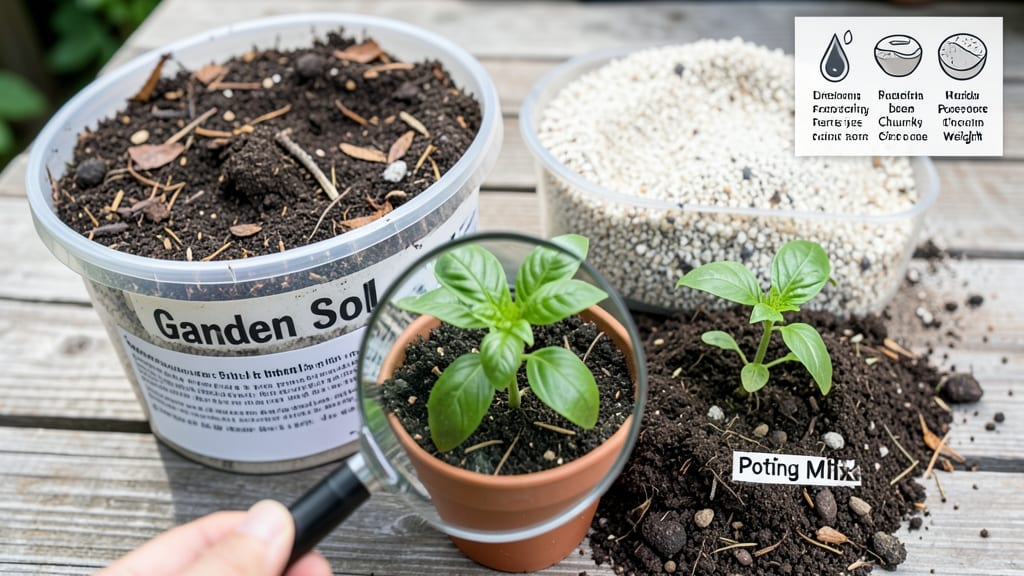
The difference between garden soil and potting mix can mean the difference between thriving plants and a slow, painful death for your greens. 🌱 Garden soil and potting mix aren't interchangeable—they're designed for completely different jobs, and mixing them up is how you end up with sad, struggling plants that refuse to grow.
Garden soil is the heavyweight of the two, packed with minerals and microbes that feed plants over time. It's perfect for in-ground beds where roots can spread freely, but it's too dense for containers—water pools at the bottom, roots suffocate, and plants drown in their own soggy mess.
Potting mix, on the other hand, is light and airy, designed to drain fast and stay loose so roots breathe easily.
You'll notice the difference immediately: plants in the right mix grow stronger roots, faster, and handle watering mistakes better. Tomatoes in garden soil wilt by noon; the same tomatoes in potting mix stay perky all day.
The secret isn't just the ingredients—it's how they work together for each plant's needs.
Here's the game-changer: most gardeners blend them for containers, but the ratio matters. Start with 70% potting mix and 30% garden soil for a happy medium that drains well but still feeds roots. For heavy feeders like tomatoes, add compost to give them extra nutrients without compacting the mix.
The first product explained
Product A Overview: Miracle-Gro Performance Organics All Purpose Garden Soil
Looking for a versatile, nutrient-rich soil that bridges the gap between garden soil and potting mix?
Meet Miracle-Gro Performance Organics All Purpose Garden Soil—a powerhouse designed to supercharge your plants from the ground up! 🌱💪 Whether you're a seasoned gardener or just dipping your toes into the green thumb world, this organic blend is here to simplify your gardening game.
📏 Key Specs & Features
- Organic Blend: Made with 100% natural ingredients, including composted plant and animal matter, to enrich soil health without synthetic chemicals.
- Nutrient-Packed: Infused with essential nutrients like nitrogen, phosphorus, and potassium to support strong root development and vibrant growth.
- Moisture Retention: Designed to hold water efficiently, reducing the need for frequent watering while preventing over-saturation.
- Versatile Use: Perfect for in-ground gardens, raised beds, and even container gardening—no more guessing what your plants need!
- Eco-Friendly: OMRI-listed for organic gardening, ensuring it meets strict organic standards.
- Bag Size: Available in 12-quart and 1.5-cubic-foot bags, making it easy to tackle small or large projects.
🎯 Target Users
This product is ideal for:
- 🌿 Home gardeners who want a high-quality, all-purpose soil without the hassle of mixing components.
- 🏡 Urban gardeners with limited space who need a nutrient-dense soil for containers or small plots.
- 🌱 Organic enthusiasts who prioritize natural, chemical-free growing methods.
- 🛠️ DIYers and beginners looking for a foolproof soil solution that delivers results.
💰 Price Point & Value
Priced competitively at $12.97 for a 12-quart bag and $29.97 for a 1.5-cubic-foot bag, Miracle-Gro Performance Organics offers exceptional value.
While it may be slightly more expensive than basic garden soil, its organic composition, nutrient density, and versatility make it a worthwhile investment for plant health and long-term success. Pro tip: 💡 Buy in bulk if you're tackling a large garden—your wallet and plants will thank you!
✨ Why It Stands Out
Unlike traditional garden soil, which can be heavy, clay-like, or nutrient-poor, this product strikes the perfect balance between structure and fertility.
It’s lighter and more amendable than standard garden soil but retains the essential benefits of organic matter, making it a hybrid solution for gardeners who want the best of both worlds. Plus, its ease of use means less prep work for you!
The second product explained
Next up, let’s dive into Miracle-Gro Indoor Potting Mix—a powerhouse for container gardening! 🌱✨ This premium blend is designed specifically for indoor plants, seed starting, and potted gardens, making it a go-to choice for urban gardeners, apartment plant parents, and anyone craving lush greenery without the outdoor space.
Key Specs & Features
- Composition: Lightweight, airy mix with peat moss, perlite, and composted bark for optimal drainage and aeration.
- Nutrient Boost: Pre-mixed with slow-release fertilizer to nourish plants for up to 3 months—no extra fertilizing needed!
- pH Balance: Slightly acidic (pH ~6.0–6.5), ideal for herbs, veggies, and flowering plants.
- Moisture Retention: Holds just the right amount of water to prevent root rot while keeping roots hydrated.
- Sterilized: Free from weeds, insects, and pathogens—perfect for seed starting and sensitive plants.
Who’s It For?
This mix is a game-changer for:
- 🏡 Urban gardeners with limited outdoor space.
- 🌿 Houseplant enthusiasts (think ferns, succulents, or orchids!).
- 🌱 Seed starters looking for a sterile, nutrient-rich foundation.
- 🍅 Container veggie growers (tomatoes, peppers, and herbs thrive here!).
Price Point & Value
Priced at $8–$12 for a 8-quart bag (or ~$0.50–$0.75 per quart), this mix offers exceptional value for its convenience and performance. While it’s slightly pricier than garden soil, the time and effort saved—plus the guaranteed plant health—make it a smart investment for serious gardeners.
Pro Tip: 💡 For long-term use, mix in a handful of compost or worm castings every few months to replenish nutrients!
Head-to-head comparison
Now that we’ve explored the basics of garden soil and potting mix, let’s dive into a detailed side-by-side comparison to help you decide which is best for your plants. Whether you're a seasoned gardener or just starting out, understanding these differences will ensure your green friends thrive! 🌱🌿
📊 Performance: How Do They Measure Up?
Performance is where garden soil and potting mix truly shine—or fail—in different ways. Here’s how they stack up:
- Garden Soil:
- ✅ Best for outdoor plants like perennials, shrubs, and trees, as it mimics natural conditions.
- ✅ Supports deep root growth due to its density and structure.
- ❌ Can become waterlogged or compacted, especially in heavy clay soils, stifling roots.
- ❌ May contain weeds, pests, or diseases from the natural environment.
- Potting Mix:
- ✅ Optimized for container gardening, ensuring excellent drainage and aeration.
- ✅ Sterilized and weed-free, reducing the risk of pests and pathogens.
- ✅ Lightweight and nutrient-rich, ideal for seedlings, herbs, and houseplants.
- ❌ Not ideal for heavy-rooted plants like large trees or deep-rooting perennials.
- ❌ Breaks down faster than garden soil, requiring more frequent replenishment.
💡 Pro Tip: For container plants with deep roots (like tomatoes or peppers), mix potting soil with perlite or vermiculite to improve drainage and aeration.
🛠️ Features: Composition and Additives
What’s actually in these mixes? The ingredients make all the difference!
| Feature | Garden Soil | Potting Mix |
|---|---|---|
| Primary Ingredients | Natural components like clay, silt, sand, and organic matter (e.g., decomposed leaves, compost). | Blended peat moss, coconut coir, perlite, vermiculite, and compost for structure and nutrients. |
| Drainage | Varies widely; can be poor in clay-heavy soils or too sandy for moisture retention. | Designed for fast drainage with additives like perlite or bark. |
| Nutrient Content | Naturally occurring but slow-release; may need amendments (fertilizer, compost). | Pre-enriched with slow-release fertilizers and organic matter for quick plant uptake. |
| Sterility | Not sterilized; may contain seeds, pests, or pathogens. | Sterilized and pasteurized to eliminate weeds, fungi, and bacteria. |
| pH Balance | Varies by location; often neutral to slightly acidic. | Balanced for most plants (typically 5.5–7.0), but check labels for specific needs. |
🌡️ Pro Tip: If your garden soil is too alkaline or acidic, test it and amend with lime (to raise pH) or sulfur (to lower pH) before planting.
💰 Price: What’s the Cost Difference?
Budget-friendly gardening? Let’s break down the costs:
- Garden Soil:
- ✅ Free or low-cost if sourced from your yard or local farms.
- ✅ Bagged garden soil (e.g., topsoil) costs $3–$10 per cubic foot.
- ❌ Amendments (compost, fertilizer) add up if your soil lacks nutrients.
- Potting Mix:
- ✅ Convenient and ready-to-use; bags cost $4–$15 per cubic foot.
- ❌ More expensive per volume than garden soil, especially premium blends.
- ✅ No need for extra amendments in most cases.
💡 Pro Tip: Buy potting mix in bulk or larger bags to save money, especially if you’re a container gardening enthusiast!
🏗️ Durability: How Long Do They Last?
How long will your soil or mix stay effective? Here’s the breakdown:
- Garden Soil:
- ✅ Long-lasting if amended properly (e.g., adding compost annually).
- ❌ Degrades over time due to erosion, compaction, or nutrient depletion.
- ✅ Improves with age as organic matter builds up.
- Potting Mix:
- ❌ Breaks down faster (usually 6–12 months) as organic matter decomposes.
- ✅ Easy to refresh by top-dressing with compost or fertilizer.
- ❌ Not reusable—once compacted or contaminated, it’s time for a replacement.
✨ Pro Tip: Extend the life of potting mix by mixing in perlite or coconut coir to maintain aeration and reduce compaction.
🌱 Best Uses: When to Choose Which?
Still unsure which to pick? Here’s a quick guide:
| Use Case | Best Choice | Why? |
|---|---|---|
| Outdoor flower beds | Garden Soil | Mimics natural conditions for perennials and shrubs. |
| Vegetable gardens | Garden Soil (amended) | Supports deep roots and long-term growth. |
| Container plants (herbs, succulents) | Potting Mix | Ensures proper drainage and nutrient availability. |
| Seed starting | Potting Mix or Seed Starting Mix |
Which one should you choose?So, you’ve weighed the pros and cons, and now you’re ready to decide: garden soil or potting mix? The right choice depends on your gardening goals, space, and the plants you’re growing. Here’s a quick verdict to help you make the perfect pick! 🌱✨ 🌿 Choose Garden Soil If...
🏺 Choose Potting Mix If...
💡 Pro Tip for Hybrid Solutions:Can’t decide? Mix it up! For large containers or heavy feeders like tomatoes, blend 50% potting mix with 50% garden soil (or compost) to get the best of both worlds. Just ensure proper drainage—no one likes soggy roots! 🚫💦 Now that you’ve got the scoop, grab your gloves and get planting! Whether you’re digging in the dirt or potting up your favorites, the right soil will set your garden up for blooming success. Happy gardening! 🌸🌿 |