
Container Gardens
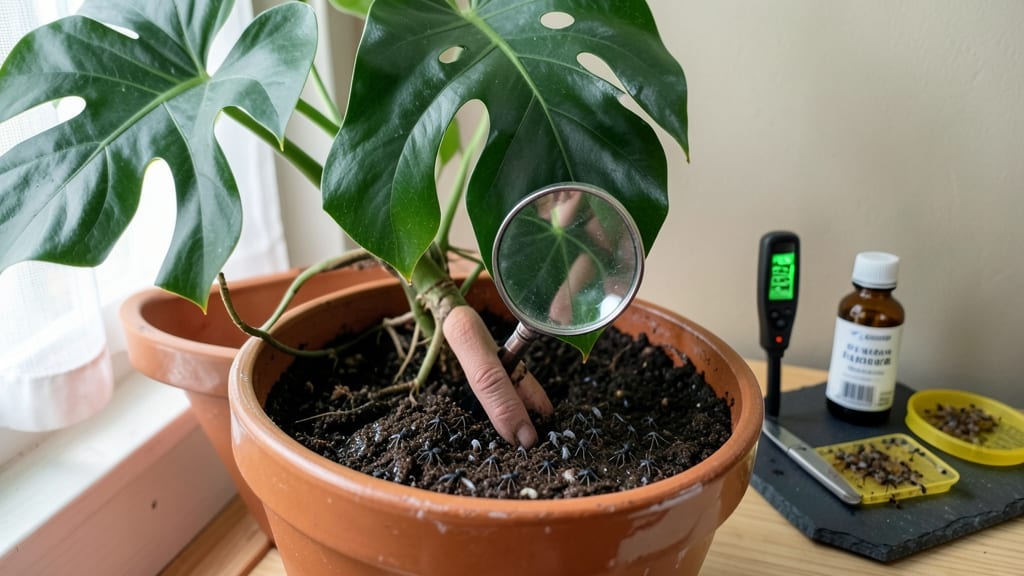
Those tiny black flies in the soil of potted plants buzzing around your greenery aren’t just annoying—they’re fungus gnats, and they’re eating your roots. The good news? You can trap them naturally without harsh chemicals, using simple ingredients already in your kitchen.
I’ve used this method for years to clear infestations in my ferns and herbs, and it works faster than store-bought sprays.
Fungus gnats thrive in moist, organic soil, where their larvae feast on decaying matter and plant roots. The adults lay eggs in damp soil, and within days, you’ve got a full-blown infestation.
The key to stopping them is breaking their life cycle—dry out the top layer of soil, use traps to catch adults, and starve the larvae of food.
My go-to trap is a small container of apple cider vinegar and a drop of dish soap, which lures and drowns them within hours.
Once you’ve trapped the adults, focus on the soil. Let the top inch dry out between waterings, and mix in a layer of coarse sand or perlite to improve drainage. For stubborn cases, beneficial nematodes—tiny microscopic worms—hunt and kill the larvae naturally.
Your plants will bounce back with stronger roots and fewer pests, and you’ll avoid the need for chemical pesticides that harm beneficial insects too.
This approach works for all potted plants, from succulents to tropicals, and it’s safe for pets and kids. The best part? You’ll see results in just a few days, and your plants will stay healthy long-term. Let’s get those flies under control for good.
Root Causes of Soil Flies
If you’ve ever spotted tiny, buzzing flies hovering near your potted plants, you’re likely dealing with fungus gnats or fruit flies—two of the most common soil-dwelling pests. These insects don’t just appear out of nowhere; they’re drawn to specific conditions in your potted plants.
Understanding why they show up is the first step to keeping them at bay. Let’s break down the key reasons these flies invade your soil.
Fungus gnats thrive in moist, soggy soil because their larvae feed on organic matter in damp environments. When you overwater your plants—especially if the soil doesn’t drain well—you create the perfect breeding ground. Here’s why:
- Lack of drainage: Pots without drainage holes trap excess water, preventing soil from drying out between waterings.
- Overwatering habits: Watering on a strict schedule (e.g., every day) without checking soil moisture encourages stagnant water.
- Organic buildup: Decomposing plant matter, like dead leaves or old mulch, provides food for larvae when soil stays wet.
Pro tip: Stick your finger 1 inch into the soil—if it feels damp, wait before watering again. Use pots with drainage holes and a well-draining soil mix (like a blend of potting soil, perlite, and sand) to reduce moisture retention.
Fruit flies and fungus gnats are attracted to rotting plant debris because it’s a rich food source for their larvae. Common culprits include:
- Old mulch or compost: Fresh mulch can harbor eggs or larvae if not sterilized.
- Dead leaves or stems: Leaving plant waste in the pot creates a buffet for flies.
- Over-fertilized soil: Excess nitrogen from fertilizers accelerates decomposition, speeding up larval growth.
Pro tip: Remove dead foliage promptly and replace old mulch with sterilized or fresh options. If repotting, sterilize soil by baking it at 200°F (93°C) for 30 minutes to kill larvae and eggs.
Stagnant air traps moisture and heat, creating ideal conditions for flies to lay eggs and larvae to thrive. Here’s how it happens:
- Crowded pots: Overpotting or using containers without ventilation limits airflow.
- Plants too close together: Dense foliage blocks airflow, increasing humidity near the soil.
- No airflow from fans or open spaces: Indoor plants in corners or closed rooms suffer from poor circulation.
Pro tip: Space plants 6–12 inches apart and use a small fan on low settings to improve airflow. Choose pots with mesh sides or elevated designs to enhance ventilation.
Flies are more active in warm, humid conditions because these environments speed up their life cycle. Key triggers include:
- Indoor heat sources: Radiators, heaters, or sunny windowsills raise soil temperature.
- High humidity levels: Bathrooms, kitchens, or greenhouses with poor ventilation trap moisture.
- Seasonal changes: Spring and summer bring warmer temps, boosting fly activity.
Pro tip: Monitor humidity with a hygrometer—keep it below 60%. Use a dehumidifier or open windows to reduce moisture buildup.
By addressing these root causes—moisture, organic debris, poor airflow, and warmth—you’ll make your potted plants far less appealing to flies. The next step? Discover DIY traps using household ingredients to tackle existing infestations!
Quick Fixes for Soil Flies
Tiny flies buzzing around your potted plants? Don’t panic—these pests are usually harmless but can be annoying. The good news is that most solutions are simple, natural, and use items you likely already have at home.
Below, we’ll tackle the most common causes of soil flies and provide practical, step-by-step fixes to eliminate them—plus tips to keep them from coming back.
Fungus gnats thrive in damp, organic-rich soil. If your plants are waterlogged or you’ve noticed a film of mold on the surface, these flies are probably the culprits.
How to Stop Them:
- 🍳 Reduce Watering Frequency
- Let the top 1–2 inches of soil dry out between waterings. Stick your finger in the soil—if it’s soggy, wait a day or two.
- Pro Tip: Use a moisture meter for precision, especially in humid climates.
- 👨🍳 Create a Diatomaceous Earth Barrier
- Sprinkle food-grade diatomaceous earth (DE) lightly on the soil surface. This natural powder dehydrates the gnats and their larvae.
- Caution: Avoid inhaling DE—wear a mask when applying.
- 🥘 Add a Yellow Sticky Trap
- Cut yellow cardboard or paper into strips, coat with petroleum jelly, and place near the plant. Gnats are attracted to yellow and get stuck.
- Bonus: Replace traps every 3–4 days for maximum effectiveness.
- ⏰ Rotate Your Plants
- Move pots to a drier spot (like a sunny windowsill) to discourage moisture-loving gnats.
If you’ve spotted small, red-eyed flies near rotting organic matter (like banana peels or old leaves), fruit flies are the likely culprits.
How to Stop Them:
- 🔪 Remove Decaying Matter Immediately
- Clear away fallen leaves, fruit scraps, or dead plant material from the soil surface. These are fly magnets!
- 🌡️ Use Vinegar Traps
- Fill a small bowl with apple cider vinegar + a drop of dish soap. Cover with plastic wrap, poke holes, and place near the plant. Flies enter but can’t escape.
- Refresh every 2–3 days for best results.
- 🎯 Cover Soil with Mulch or Sand
- A thin layer of coarse sand, cinnamon, or orchid bark disrupts their breeding cycle by drying out the topsoil.
- 💡 Prevent Future Infestations
- Store compost bins away from potted plants.
- Clean up spills or dropped fruit immediately.
Once you’ve dealt with the immediate problem, take these steps to stop flies from returning:
- 🌿 Improve Soil Drainage
- Mix in perlite, vermiculite, or sand to aerate heavy soil and reduce moisture retention.
- 🍄 Use Beneficial Nematodes
- These microscopic worms (available online) target fungus gnat larvae naturally. Follow package instructions for application.
- 🌱 Choose Resistant Plants
- Succulents and cacti (which need less water) are less attractive to soil flies than moisture-loving plants like ferns or peace lilies.
- 🔄 Repot Annually
- Refresh soil every year to remove old organic matter where flies lay eggs.
Final Thought: Soil flies are a nuisance, but with these simple, non-toxic methods, you can reclaim your potted plants—without chemicals! Start with one or two fixes, monitor progress, and adjust as needed. Happy gardening! 🌱✨
Frequently asked questions
Why do I keep seeing flies in my potted plant soil even after watering less?
The larvae can survive for weeks in damp soil, so it may take 2-3 weeks to see full results after reducing water. The adults you see now likely hatched from eggs already laid. Keep using traps while the soil dries out completely between waterings.
Will these natural remedies harm my plants?
Not at all! Methods like apple cider vinegar traps, diatomaceous earth, and cinnamon are completely plant-safe when used as directed. Just avoid over-applying anything—even natural solutions should be used in moderation. Your plants will thank you while the flies disappear!
How do I know if I have fungus gnats or fruit flies?
Fungus gnats are tiny (1/8 inch) with long legs and dark bodies, while fruit flies are slightly larger with red eyes. Check the soil: fungus gnat larvae are white, worm-like and feed on roots, while fruit fly larvae are white, maggot-like and feed on decaying matter.
Can I use coffee grounds to control soil flies?
Yes! Sprinkle a thin layer of used coffee grounds on the soil surface—they help absorb excess moisture while adding nutrients. The caffeine also acts as a natural deterrent. Just avoid using too much, as it can compact the soil over time.
What's the fastest way to get rid of an existing infestation?
Combine three methods for best results:
- Vinegar traps to catch adults,
- diatomaceous earth on soil to kill larvae, and
- reduce watering to break their life cycle. You should see noticeable improvement within 5-7 days if you're consistent!