
Pests and Diseases
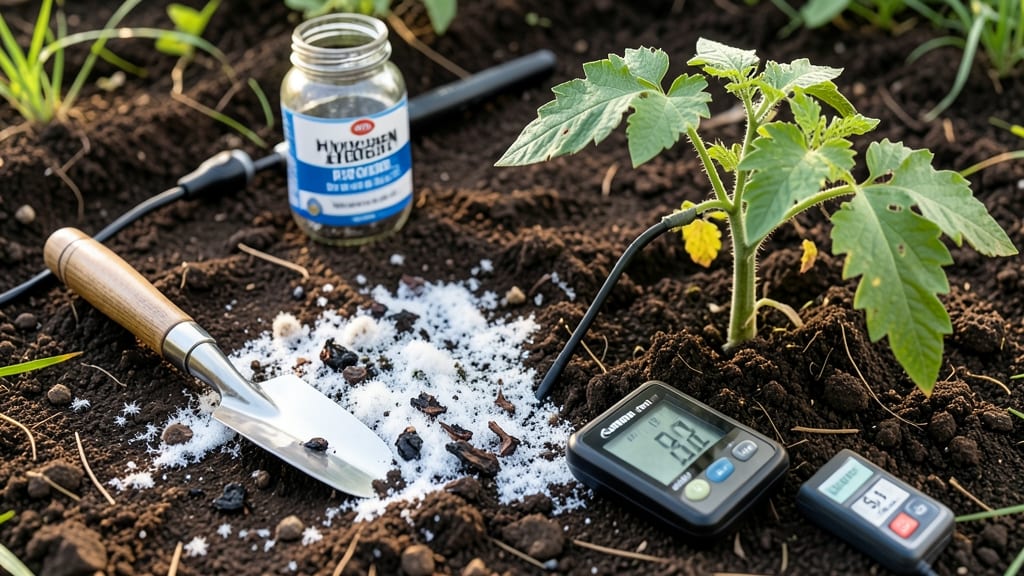
When the garden soil has white fungus, it’s usually harmless mold or mildew caused by excess moisture or organic buildup. Fix it by enhancing drainage, cutting back on watering, and adding a thin layer of sand or perlite to prevent regrowth—just skip harsh chemicals that can damage your plants.
Most white fungal growth in soil comes from common molds like Penicillium or Aspergillus, which thrive in damp, nutrient-rich conditions. 🌱 While these are rarely dangerous to plants, they can indicate poor soil health—especially if your garden stays soggy or has too much decaying organic matter.
The key is balancing moisture and airflow: I’ve found that spreading a 1-inch layer of coarse sand or perlite on top disrupts fungal networks while improving drainage naturally. For stubborn cases, a 1:10 dilution of hydrogen peroxide (3%) can act as a mild fungicide without harming soil microbes.
If you’re worried about pathogens, focus on prevention: water deeply but infrequently, and mulch with straw or wood chips to keep soil dry at the surface. Baking soda (1 tablespoon per gallon of water) can also help—just spray lightly on soil and avoid overusing it.
The goal is to restore balance, not sterilize your soil, since beneficial fungi and bacteria play a huge role in plant health.
💡 In This Article
- Identifying White Fungus in Soil: Causes and Plant Safety
- Natural Remedies to Eliminate White Fungus from Garden Soil
Identifying white fungus in soil: causes and plant safety
The white fungal growth you’re seeing is most likely from molds like Penicillium or Aspergillus, which are common in garden soil. These fungi thrive in moist, nutrient-rich environments, especially when organic matter like leaves or grass clippings decomposes too slowly.
The white, fuzzy texture you notice is actually their mycelium—a network of thread-like structures that spread through the soil. Under a microscope, you’d see these hyphae (filamentous structures) branching out, creating that characteristic cotton-like appearance.
While these fungi are rarely harmful to plants, they can become problematic if they signal underlying issues. For example, excess moisture (soil staying damp for more than 24 hours) creates the perfect breeding ground.
A soil moisture test using a simple moisture meter can help—ideal levels for most plants are around 40-60% moisture content. Additionally, organic matter buildup (like over-mulched leaves) provides extra nutrients, accelerating fungal growth.
The pH of your soil also plays a role: these fungi prefer slightly acidic to neutral conditions (pH 6.0-7.5), so testing with a pH kit can reveal if adjustments are needed.
Not all white fungus is harmless, though. Some species, like Rhizoctonia, can cause root rot in susceptible plants. Look for signs of stress in your garden—yellowing leaves, stunted growth, or wilting—these could indicate a more aggressive fungal presence.
The key is to act before the fungus spreads: start by reducing watering frequency and ensuring proper drainage. A simple test is to dig a small hole in the affected area; if water pools instead of draining within 30 minutes, your soil needs aeration.
To identify the specific type of fungus, you can use a soil test kit or consult a local agricultural extension service. They can analyze samples for pathogenic strains. For example, Penicillium often appears as a blue-green mold, while Aspergillus may show up as a white or yellowish growth.
If you’re unsure, focus on prevention: improving airflow with organic mulch (like straw) and avoiding overwatering can make a huge difference. The goal is to create an environment where beneficial microbes outcompete the fungi.
One surprising fact is that some white fungi are actually beneficial! For instance, Trichoderma species help suppress harmful pathogens. The challenge is distinguishing between helpful and harmful strains. If your plants look healthy and the fungus is limited to the surface, it’s likely harmless.
But if you see it spreading rapidly or affecting plant roots, take action immediately. A quick fix is to sprinkle diatomaceous earth (food-grade) lightly over the soil—it disrupts fungal cell walls without chemicals.
Remember, soil fungi are part of a natural ecosystem. The key is balance: too much moisture or organic matter tips the scales toward unwanted growth. By monitoring soil conditions and making small adjustments, you can keep your garden thriving while keeping fungal growth under control. 🌱