
Tools
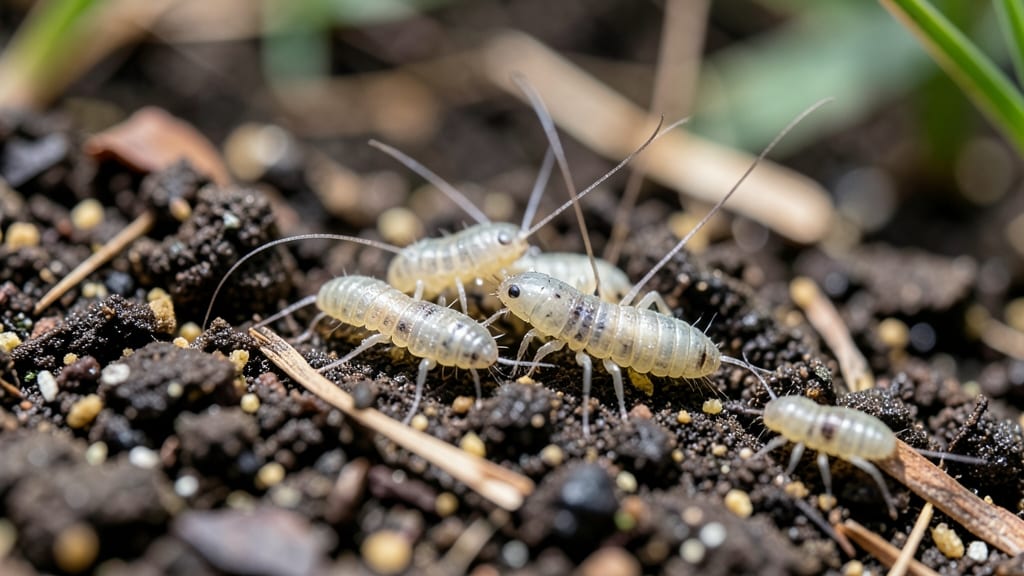
The tiny creatures living in your soil are the unsung heroes of your garden. 🌱 These garden soil insects—like ground beetles, predatory mites, and nematodes—aren’t pests; they’re the secret weapon that breaks down organic matter, controls harmful insects, and feeds your plants.
I used to think all soil bugs were bad, but now I actively invite them into my beds.
Most of these helpers thrive when soil stays moist but well-drained, with plenty of organic matter to munch on. The key is balance: too many decomposers (like earthworms) can deplete nutrients, while too many predators (like ladybug larvae) might overhunt beneficial pollinators.
My garden’s health skyrocketed once I stopped treating all soil insects as threats.
You’ll notice healthier plants with stronger roots and fewer pests once these tiny allies take hold. The best part? They work for free—just give them the right conditions. A simple soil test reveals their activity levels, and a few organic amendments (like compost or mulch) keep them happy.
Works for any garden type, from raised beds to in-ground plots. Here’s how to spot the good guys and keep them thriving without chemicals.
Root Causes Of Soil Bug Booms
Your garden’s bustling soil ecosystem isn’t just random—it’s a carefully balanced dance of nature, and when the scales tip, insects take over. Understanding the why behind their population surges helps you manage (or even harness!) their power for healthier plants. Here’s what’s really going on beneath your feet.
Healthy soil is like a thriving city—when the infrastructure (organic matter, microbes, and nutrients) crumbles, pests move in. Why? Because weak soil can’t support beneficial organisms that naturally keep insect populations in check.
- Compacted or depleted soil: Heavy foot traffic, machinery, or years of tilling destroy soil structure, reducing oxygen and water flow. This stresses plants, making them more vulnerable to pests like cutworms or grubs, which thrive in stressed roots.
- Lack of organic matter: Soil without compost or decomposed plant material lacks the microbial diversity that breaks down pests’ food sources (like decaying roots). Without competition, insects like fungus gnats or root maggots multiply unchecked.
- pH imbalances: Soil that’s too acidic (pH < 6.0) or alkaline (pH > 7.5) disrupts beneficial bacteria and fungi. For example, earthworms (nature’s plows) struggle in extreme pH, leaving soil vulnerable to wireworms or sowbugs.
Actionable fix: Test your soil’s pH and organic content (kits cost ~$20). Amend with compost, leaf mold, or biochar to restore balance. Pro tip: 💡 Mix in mycorrhizal fungi—these symbiotic helpers boost plant roots, making them less appealing to pests.
Water is life—but too much turns your soil into a pest paradise. Excess moisture creates the perfect conditions for insects that love damp, decaying matter.
- Fungus gnats and shore flies: These tiny nuisances lay eggs in soggy soil. Their larvae feast on fungal threads and plant roots, weakening seedlings. Fun fact: A single gnat can produce 200+ eggs in moist conditions!
- Sowbugs and pill bugs: These crustacean relatives thrive in waterlogged areas, munching on decaying plant debris. Their waste (uric acid) further harms soil chemistry.
- Slugs and snails: While not insects, they hitchhike on overwatered gardens. Their mucus trails create ideal conditions for bacterial infections, which attract fly larvae.
Actionable fix:
- 🔥 Improve drainage: Raise beds with compost or gravel, or install French drains in low spots.
- 🍳 Water deeply but less often: Aim for 1–1.5 inches per week (including rain). Use drip irrigation to avoid surface puddles.
- 🌡️ Mulch properly: Organic mulch (straw, wood chips) helps soil retain just enough moisture—no soggy zones.
Planting the same crops year after year is like serving an all-you-can-eat buffet to insects. Why? Because pests specialize in specific plants, and monocultures give them a guaranteed food source.
- Corn rootworms: These beetle larvae target only maize, devouring roots in fields planted with corn for decades.
- Cabbage loopers and imported cabbageworms: They’re drawn to brassicas (kale, broccoli, cabbage) like moths to a flame.
- Japanese beetles: They’ll strip roses and grapes bare if those plants dominate your landscape.
Actionable fix:
- ✨ Rotate crops: Switch plant families yearly (e.g., tomatoes → beans → squash). This starves pests and confuses their life cycles.
- 🎯 Interplant “trap crops”: Sacrifice a few rows of nasturtiums (for aphids) or marigolds (for nematodes) to lure pests away from your veggies.
- 🌿 Add diversity: Mix flowers (like dill or basil) with veggies to attract beneficial predators (ladybugs, lacewings) that hunt pests.
Pesticides are like nuclear bombs in your soil—they kill everything, including the good guys that keep insects in check. When natural predators vanish, pests rebound with a vengeance.
- Neonicotinoids: These systemic insecticides (common in seed treatments) poison bees, lacewings, and ground beetles—all critical insect controllers.
- Broad-spectrum sprays: Pyrethrin-based products wipe out earthworms and predatory mites, leaving soil vulnerable to grubs and weevils.
- Synthetic fertilizers: High nitrogen promotes lush, tender plant growth—delicious to pests like aphids and leafhoppers.
Actionable fix:
- 🔥 Go organic: Use neem oil, kaolin clay, or soapy water sprays for targeted pest control.
- 👨🍳 Encourage predators: Plant dill, fennel, or carrots to attract parasitic wasps that lay eggs inside garden pests (like cabbage worms).
- 🌡️ Use compost tea: A diluted brew boosts beneficial microbes that outcompete harmful insects for resources.
Remember: Soil insects aren’t just problems—they’re part of the solution. The key is balance. By addressing these root causes, you’ll create a garden where beneficial bugs outnumber the pests, not the other way around.
Quick Fixes for Soil Pest Problems
When garden soil insects throw your plants off balance, acting fast keeps your garden thriving. Below are practical, cause-specific solutions—plus prevention tips—to restore harmony in your soil ecosystem.
Cause: Excessive pests like aphids, grubs, or fungus gnats deplete nutrients and damage roots.
How to Fix It: 🍳 Introduce Beneficial Insects
- Release ladybugs, lacewings, or nematodes (like Steinernema carpocapsae) to target pests naturally. Buy them from garden centers or online.
- DIY Tip: Mix neem oil (1 tbsp per gallon of water) and spray on soil to repel soft-bodied insects.
👨🍳 Improve Soil Aeration
- Loosen compacted soil with a garden fork or broadfork to reduce pest habitats.
- Add compost or coconut coir to boost microbial activity, which outcompetes harmful insects.
🥘 Rotate Crops & Mulch Smartly
- Avoid planting the same family (e.g., tomatoes, peppers) in the same spot yearly—crop rotation disrupts pest life cycles.
- Use straw or wood chips (not plastic) as mulch to deter grubs and ants.
✨ Prevention Tip:
- Plant companion crops like marigolds (repel nematodes) or basil (deters whiteflies) near vulnerable plants.
Cause: Chemical fertilizers or poor soil health reduce natural predators like ground beetles or predatory mites.
How to Fix It: 🔥 Boost Microbial Life
- Spread compost tea (steep compost in water for 24–48 hours, strain) over soil to introduce beneficial bacteria and fungi.
- DIY Probiotic Soil Mix: Blend molasses (1 tbsp), water (1 gallon), and a handful of compost. Spray weekly.
💡 Avoid Harsh Chemicals
- Skip synthetic pesticides—they kill both pests AND predators. Opt for soapy water sprays (1 tsp mild soap + water) for occasional outbreaks.
🌡️ Test & Amend Soil
- Use a soil test kit to check pH (ideal: 6.0–7.0 for most gardens). Adjust with lime (to raise pH) or sulfur (to lower pH).
- Add worm castings (1 cup per sq ft) to enrich soil with natural enzymes.
🎯 Prevention Tip:
- Leave leaf litter in corners of the garden—it shelters ground beetles and spiders, which hunt pests.
Cause: Stress from drought, overwatering, or poor drainage attracts pests like cutworms or wireworms.
How to Fix It: ⏰ Fix Watering Habits
- Water deeply 2–3x/week (early morning) to prevent fungal gnats. Use drip irrigation to keep foliage dry.
- Drought-Stressed Plants? Mulch heavily to retain moisture and deter pests.
🔪 Manual Removal for Heavy Cases
- Handpick grubs at night (they’re sluggish) and drop them in soapy water.
- Collar young plants with cardboard tubes to block cutworms.
🍎 Trap Crops & Barriers
- Plant nasturtiums (sacrificial trap for aphids) near vulnerable veggies.
- Row covers (lightweight fabric) protect seedlings from flying insects.
💡 Prevention Tip:
- Avoid over-fertilizing—excess nitrogen attracts soft-bodied pests. Use balanced organic fertilizer (e.g., 5-5-5).
Remember: A balanced soil ecosystem is your best defense. Monitor weekly, adjust as needed, and let nature do the heavy lifting! 🌿
Frequently asked questions
What are the most common beneficial soil insects I should welcome in my garden?
Look for ground beetles (they eat cutworms), ladybug larvae (voracious aphid hunters), and predatory mites (control thrips and spider mites). Earthworms and dung beetles also improve soil structure while reducing pests. These tiny helpers thrive in healthy soil with organic matter and proper moisture.
How can I tell if soil insects are helping or harming my plants?
Beneficial insects leave minimal damage—think chewed holes in leaves (aphids) or wilting seedlings (fungus gnat larvae). Helpful bugs like lacewings or parasitic wasps rarely harm plants directly. Check for signs of strong roots and active microbial life (earthy smell) in healthy soil.
What’s the fastest way to reduce fungus gnat populations without chemicals?
Let the soil dry slightly between waterings (1–2 days), as fungus gnat larvae need moisture to survive. Add a thin layer of sand or perlite to the top inch of soil to disrupt their breeding cycle. For existing larvae, sprinkle diatomaceous earth (food-grade) on damp soil.
Can I use coffee grounds to deter soil pests like ants or grubs?
Yes! Coffee grounds repel many pests due to their acidity, but use them sparingly—too much can lower soil pH. Mix 1 part grounds to 3 parts compost and sprinkle around plants. Avoid fresh grounds, which can attract fruit flies instead.
How often should I check my soil for insect activity?
Inspect your soil weekly during growing seasons (spring-fall) and biweekly in winter. Use a soil probe or trowel to check for larvae or damage. Early detection lets you act before pests become unmanageable. Focus on areas with wilting plants or unusual insect activity.