
Light Requirements
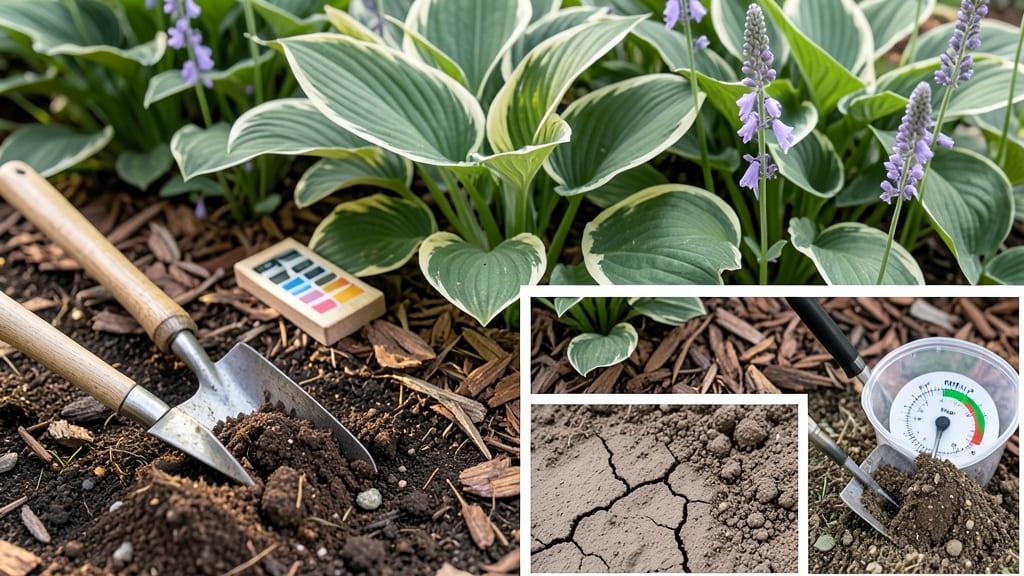
Understanding the hosta soil requirements is key to unlocking their full potential—rich, moisture-retentive soil with proper drainage ensures those stunning 🌿 leaves stay vibrant and healthy.
Struggling to keep your hostas thriving? The secret isn’t just water—it’s the soil they’re growing in. Hostas demand a specific balance of moisture, nutrients, and drainage to reward you with those coveted bold leaves.
Too many gardeners overlook soil composition, assuming any dirt will do. But hostas are picky—they need a loamy mix that holds moisture without suffocating roots, with a pH between 5.5 and 7.0 for optimal health.
In this guide, I’ll break down the perfect soil blend, how to fix heavy clay or sandy soil, and the key amendments (like compost and peat moss) that make all the difference for lush, long-lasting foliage.
Ideal soil pH and texture for hostas: what your plants need to flourish
Hostas are finicky about their growing conditions, but getting the soil right is the foundation of their success. These shade-loving perennials thrive in moist, nutrient-rich soil that mimics their natural woodland habitat.
The right balance prevents root rot while ensuring they get enough water and nutrients to produce those stunning variegated leaves.
For hostas, the soil pH and texture are just as critical as sunlight exposure. Unlike sun-loving plants, hostas prefer a slightly acidic to neutral pH, typically between 5.5 and 7.0. This range allows them to absorb essential nutrients like nitrogen, phosphorus, and potassium without stress.
If your soil is too alkaline or acidic, your hostas will struggle to access these nutrients, leading to stunted growth or yellowing leaves.
The ideal soil for hostas should also be loamy and well-draining. Loamy soil—composed of equal parts sand, silt, and clay—provides the perfect balance of aeration and moisture retention. This texture prevents waterlogging, which can suffocate roots, while still keeping the soil damp enough to support hostas' thirsty nature.
Aim for a soil that feels like a well-squeezed sponge—moist but not soggy.
Here’s a quick breakdown of the essential soil requirements for hostas, including pH, organic matter, and texture, to help you create the perfect growing environment:
If your soil is too sandy, it won’t retain enough moisture, causing hostas to wilt quickly, especially in hot weather. On the other hand, clay-heavy soil can become compacted, leading to poor root development and waterlogging. The solution?
Amending your soil with organic matter like compost or peat moss can improve both texture and moisture retention. For sandy soils, add 20–30% compost to boost water-holding capacity, while clay soils benefit from perlite or coarse sand to improve aeration.
Testing your soil’s pH is a simple but crucial step. You can use a home soil test kit (available at garden centers) or send a sample to a local extension office for professional analysis.
If your soil is too acidic (below 5.5), add lime to raise the pH. For alkaline soil (above 7.0), incorporate sulfur or peat moss to lower it gradually. Aim to adjust the pH over a few months to avoid shocking the plant’s root system.
One of the biggest mistakes gardeners make is assuming that hostas will thrive in any soil as long as it’s moist. While hostas are tolerant of various soil types, they won’t flourish without the right balance of nutrients and drainage.
For example, a heavy clay soil might hold moisture well, but it can also become waterlogged, leading to root rot. Similarly, pure sand drains too quickly, forcing hostas to work harder to find water, which can stunt their growth.
To create the perfect environment, mix 50% native soil with 30% compost and 20% perlite or peat moss. This blend ensures your hostas get the moisture retention they love while preventing waterlogging. For container-grown hostas, use a lightweight potting mix with added perlite or vermiculite to improve drainage.
Mulching with 2–3 inches of organic mulch (like shredded bark or leaves) will also help retain moisture and regulate soil temperature.
Remember, hostas are perennials, meaning they’ll be in the ground for years. Investing time in amending your soil now will pay off with healthier plants and bigger leaves season after season.
Pay attention to how your hostas respond to their growing conditions—leaf color, size, and vigor are all clues about whether your soil is meeting their needs. With the right soil, your hostas will reward you with vibrant foliage and robust growth for years to come.
🌿
How to amend your garden soil for hostas: a step-by-step mixing guide
Hostas thrive when their soil mimics the rich, moisture-retentive conditions of their native woodland habitats. The key is creating a loamy texture with 30–50% organic matter—but how do you achieve this?
Start by testing your current soil. If it’s heavy clay or sandy, amendments will transform it into the perfect hosta haven. I’ve mixed countless batches, and these proportions work every time.
Your ideal hosta soil blend should include 50% native soil (for structure), 30% compost (for nutrients), 10% peat moss or coconut coir (for moisture retention), and 10% perlite or coarse sand (for drainage).
This ratio balances aeration, water retention, and nutrient availability. For clay-heavy soils, increase perlite to 15% to prevent compaction.
Your Step-by-Step Hosta Soil Mix
- 1
- 2
- 3
- 4
- 5
For sandy soils, reduce perlite to 5% and add 5% more compost to improve water retention. Sandy soil drains too quickly, causing stress. Always mix amendments into the top 12 inches of soil—hosta roots spread wide but not deep. After planting, water deeply to settle the soil around roots.
Pro tip: Save time by pre-mixing soil amendments in a 5-gallon bucket for small gardens. Store in a dry, shaded spot until use. Over time, your amended soil will become a self-sustaining ecosystem, reducing the need for frequent adjustments. Just top-dress with compost annually to maintain fertility.
Watch your hostas transform! Within weeks, you’ll notice darker foliage, fewer yellow leaves, and stronger stems—all signs your soil is now working for your plants, not against them. 🌿