
Planting
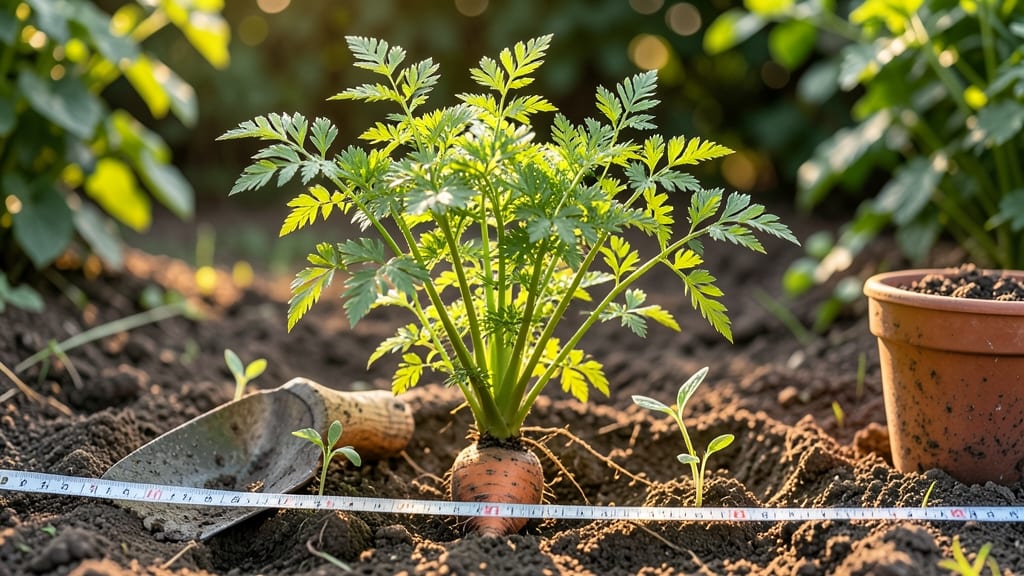
For carrots 🥕 to grow straight and long, the soil needs to be at least 12 inches deep—but many gardeners miss this key detail and end up with forked or stunted roots.
Picture this: you’ve sown your seeds, kept the soil moist, and even thinned them properly—only to pull up carrots that look more like question marks than the crisp, edible roots you planted for. The culprit? Shallow soil that forces roots to twist and turn for space.
Deep, loose soil isn’t just a preference—it’s the foundation for perfect carrot growth. Whether you’re working in a raised bed, a backyard plot, or even containers, getting the depth right makes the difference between a disappointing harvest and a bounty of sweet, straight roots.
In this guide, I’ll break down the exact soil depth carrots need, how to prepare your garden for success, and what to do if your soil just isn’t cutting it. No more guesswork—just straight, long carrots every time.
The exact soil depth carrots need for straight, long roots
If you’ve ever pulled a carrot from your garden only to find it short, forked, or stunted, the culprit is likely soil depth. Carrots need a minimum of 12 inches of loose, rock-free soil to grow their signature long, straight roots.
Without enough depth, roots grow unevenly or split, leaving you with less-than-perfect harvests. The ideal depth for most varieties is 12-18 inches, though shorter varieties like 'Paris Market' can thrive in 6-8 inches.
The reason depth matters so much is rooted in root development science. Carrot roots grow downward in search of nutrients and water, but they also need space to elongate. When soil is compacted or shallow, roots twist and fork to escape obstacles like rocks or hardpan layers.
This isn’t just an aesthetic issue—forked carrots are often tough and woody, making them less enjoyable to eat. Think of it like giving your carrots room to stretch their legs!
Before you plant, it’s crucial to test your soil depth. Use a long screwdriver or a soil probe to check how deep you can dig without hitting rocks or hard, compacted layers. If you hit resistance before reaching 12 inches, you’ll need to amend the soil.
This is especially important in clay-heavy soils or areas with natural rock formations. Even a few inches of loose soil can make a huge difference in root quality.
🚨 Pro Tip: If your garden soil is naturally shallow, consider growing carrots in raised beds. Raised beds give you full control over soil depth and composition, making them perfect for long-rooted varieties like 'Danvers' or 'Nantes'.
You can easily create a 12-inch-deep bed filled with loose, amended soil tailored to carrot needs.
Once you’ve confirmed your soil depth, the next step is ensuring it’s loose and aerated. Carrot roots need to push through soil easily, so compacted or clay-heavy soil will cause forking.
Work in compost or aged manure to improve texture, and mix in a little coarse sand if your soil is too dense. This creates the perfect environment for roots to grow straight and long. Think of it like giving your carrots a fluffy, obstacle-free runway to reach their full potential!
If your garden has a hardpan layer (a dense, compacted soil layer often found 6-12 inches down), carrots will struggle to penetrate it. To fix this, dig out the hardpan and replace it with a mix of compost and perlite.
This amendment breaks up compaction and encourages deeper root growth. For severe cases, consider double-digging: dig down 12 inches, loosen the soil, then add amendments before planting.
Another way to maximize soil depth is by using companion planting with shallow-rooted crops. Plant radishes or lettuce alongside your carrots—their shallow roots won’t compete for space, and they can even help loosen the soil as they grow.
Just be sure to harvest the radishes or lettuce before the carrots need all the space. This strategy is especially useful in small gardens or containers where depth is limited.
🌱 Quick Test: To check if your soil is ready for carrots, dig a hole 12 inches deep and fill it with water. If the water drains within a few minutes, your soil is well-draining.
If it pools or takes hours to drain, amend with sand or perlite to improve drainage. Well-draining soil is non-negotiable for carrots—poor drainage leads to rot and stunted growth.
Finally, remember that soil depth isn’t a one-time fix. As you harvest carrots, the soil may settle or compact over time. To maintain ideal conditions, top-dress your garden with compost every few weeks and gently loosen the soil around carrot plants with a hand fork.
This keeps the growing environment optimal and encourages those long, straight roots you’re after. With the right depth and care, you’ll be harvesting perfect carrots in no time!
How to prepare your garden for deep carrot roots: step-by-step soil amendments
Carrots need deep, loose soil to grow straight and long—at least 12-18 inches of workable space. If your garden has compacted soil or hidden rocks, your carrots will fork or grow stunted. The good news? With the right amendments, you can transform even tough soil into the perfect carrot-growing environment.
Start by testing your soil’s depth. Use a trowel or soil probe to dig down—if you hit resistance (like clay or rocks) before 12 inches, you’ll need to amend.
The key is breaking up hardpan layers and adding organic matter to encourage deep root growth. Let’s get your soil ready for those crisp, long roots!
For rocky or clay-heavy soil, consider growing carrots in raised beds filled with a mix of topsoil, compost, and sand. This gives you full control over soil depth and texture. Even in containers, ensure the pot is at least 12 inches deep—shallow pots will limit root growth.
Once your soil is prepped, plant carrot seeds ¼ inch deep and thin seedlings to 2-3 inches apart as they grow. With the right depth and loose soil, you’ll harvest long, straight carrots instead of forked disappointments. Happy digging!