
Light Requirements
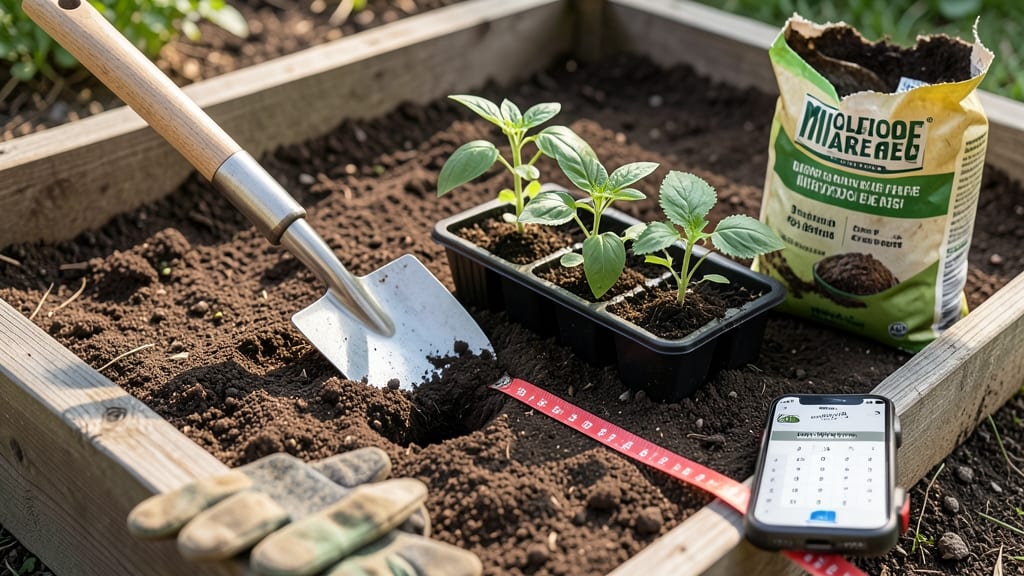
To determine how many bags of soil you need, multiply your container’s cubic feet by 1.5 (most soil bags cover ~1 cubic foot per 2-3 pounds). For example, a 5-gallon pot (0.67 cubic feet) requires 1 bag, while a 15-gallon container (3.3 cubic feet) needs 5 bags. Always account for drainage gaps and plant root space.
Figuring out the right amount of soil for your plants starts with understanding how much space their roots actually need.
Most soil bags are designed to cover about 1 cubic foot of volume per 2-3 pounds, but this varies based on whether you're filling a pot, raised bed, or garden plot. 🌱 For instance, a 10-gallon container (roughly 1.3 cubic feet) would need about 2 bags, while larger whiskey barrels (20+ gallons) might require 10 bags or more.
The key is to measure your container's dimensions first, then calculate its volume by multiplying length × width × depth—don't forget to subtract space for drainage layers if you're planting in pots!
Another critical factor is the type of plant you're growing. Vegetables like tomatoes or peppers need at least 6-12 inches of soil depth to support their root systems, while shallow-rooted herbs can thrive in just 4-6 inches.
Mixing soil types—like combining potting mix with compost—can also affect how much you'll need, as lighter mixes settle differently than heavier garden soil. Always round up when estimating, since underestimating leaves you scrambling at the store!
💡 In This Article
- Calculating Soil Bags by Container Size and Plant Type
- Best Soil Bag Sizes for Common Gardening Projects
Calculating soil bags by container size and plant type
Soil volume requirements hinge on two key factors: root zone depth and container dimensions. Most plants need enough soil to support their roots while maintaining proper moisture and oxygen levels.
For example, a tomato plant requires at least 6 inches of soil depth to anchor its roots, while a basil plant thrives in just 4 inches.
The science here involves porosity—soil must balance air pockets for roots with moisture retention, which is why garden soil (heavier) and potting mix (lighter) behave differently when packed into containers. 🌱
Container size directly impacts how many bags you’ll need. A 5-gallon pot holds about 0.67 cubic feet of soil, requiring 1 bag (assuming 2-pound bags cover ~1 cubic foot). However, a 15-gallon container (3.3 cubic feet) needs 5 bags—but this assumes no drainage layer.
If you’re adding 2-3 inches of gravel or rocks for drainage, subtract that volume first. For instance, a 20-gallon container (4.4 cubic feet) might only need 6 bags after accounting for a 2-inch drainage gap. Always measure your container’s internal dimensions (not external) to avoid overestimating.
Plant type dictates soil depth and volume needs. Vegetables and herbs generally need 6-12 inches of soil, while flowering plants often thrive in 4-8 inches.
A 10-gallon pot (1.3 cubic feet) filled to 8 inches deep would require 2 bags, but if you’re growing deep-rooted vegetables, you might need 3 bags to reach 12 inches.
Pro tip: Loose, airy potting mixes (like those with perlite or coconut coir) settle over time, so fill containers 10-15% less than their total capacity to prevent compaction. 💡
Drainage and moisture retention also play a role. Clay pots dry out faster than plastic or fabric pots, so you might need less soil if your plants require frequent watering. Conversely, self-watering containers can hold more soil because they retain moisture longer.
For raised beds, calculate soil volume by multiplying length × width × depth (e.g., a 4’x8’ bed filled 12 inches deep needs 32 cubic feet—about 32 bags of 2-pound soil). Always round up when in doubt, as underestimating soil volume can stunt plant growth.
Here’s a quick reference for common container sizes and their approximate soil bag needs:
- 5-gallon pot: 1 bag (0.67 cubic feet)
- 10-gallon pot: 2 bags (1.3 cubic feet)
- 15-gallon container: 4-5 bags (3.3 cubic feet)
- 20-gallon container: 6-7 bags (4.4 cubic feet)
- 50-gallon container: 12-15 bags (11 cubic feet)
For large projects, like filling a 4’x8’ raised bed 12 inches deep, you’ll need 32 bags—but mixing topsoil with compost can reduce the total by 10-20% since compost is lighter.
Always check the weight per bag on your soil’s packaging, as some brands vary between 1.5-3 pounds per cubic foot. 💫