
Light Requirements
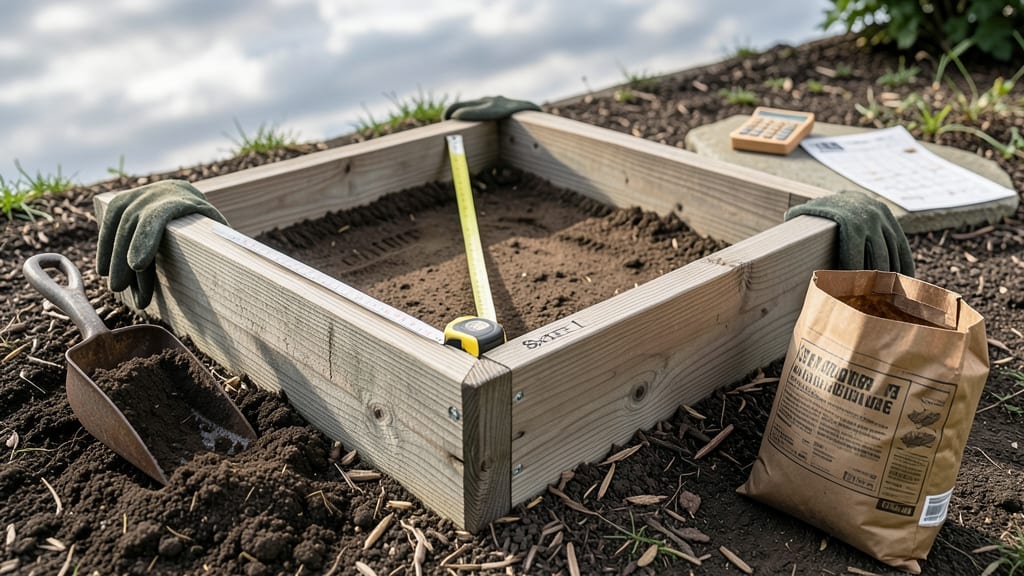
For an 8x4x1 raised bed, you'll need 26.7 cubic feet of soil (2.67 cubic feet per inch of depth). That translates to roughly 60-70 bags of 2-cubic-foot soil or 20-25 bags of 4-cubic-foot soil, with extra for settling and root space.
Figuring out how much soil for an 8x4x1 raised bed isn't just about simple multiplication—it's about planning for real-world conditions. 🌱 The volume calculation assumes perfect packing, but in reality, soil settles over time, especially with heavier mixes.
I always add an extra 10-20% to my initial estimate to account for this, plus any future amendments like compost or fertilizer. For example, if you're using a lighter potting mix, you might need slightly more volume than with dense garden soil.
Another key factor is your soil blend. Pre-mixed gardening soil typically comes in 2-cubic-foot bags, while bulk options offer better value but require more storage space. I recommend testing a small batch first—some plants thrive in loamy mixes, while others need the airier texture of potting soil.
The right blend can make all the difference in your garden's long-term health and productivity.
💡 In This Article
- Calculating Soil Volume for Raised Beds: Math and Adjustments
- Best Soil Mixes and Bag Sizes for 8x4 Raised Beds
Calculating soil volume for raised beds: math and adjustments
The volume calculation starts with simple geometry: multiply your bed's length, width, and height. For an 8x4x1 raised bed, that's 8 feet × 4 feet × 1 foot = 32 cubic feet of total space. However, this assumes 100% packing density, which isn't practical.
Soil naturally compacts over time, especially when watered and worked. 🌱 The key adjustment comes from understanding that most soil mixes settle by 10-20% after initial filling, depending on the blend's composition.
Here's where soil type matters. Loamy garden soil (a mix of sand, silt, and clay) typically settles around 15%, while lighter potting mixes or compost-heavy blends can settle up to 20%.
For example, if you use a 20% settlement factor on 32 cubic feet, you're looking at 6.4 cubic feet of lost volume, bringing your effective capacity down to roughly 25.6 cubic feet. This is why experts recommend adding 10-20% extra soil beyond your initial calculation.
Root space is another critical factor. While your bed is only 1 foot tall, plant roots often extend 12-18 inches deep (or more for deep-rooted vegetables). This means the bottom 6-12 inches of your bed should contain the most fertile, loose soil to encourage root growth.
A common practice is to use a 50-50 mix of topsoil and compost in the bottom layer, which requires slightly more volume than standard garden soil.
Let's break down the numbers for a real-world scenario. If you're using 2-cubic-foot bags of gardening soil, you'd start with 16 bags (32 cubic feet) for the bed's dimensions.
But after accounting for 15% settling and adding 10% extra for root space, you'd actually need 20 bags (40 cubic feet)—that's 60-70 bags for the full 26.7 cubic feet recommendation. 💫
For those using bulk soil, consider this: a 1 cubic yard of soil equals 27 cubic feet, which is almost perfect for your 8x4x1 bed after adjustments.
Buying in bulk saves money but requires proper storage—cover the pile with a tarp to prevent compaction from rain or wind, which can reduce usable volume by up to 10% if left exposed.
Pro tip: If you're mixing your own soil, calculate each component separately. For instance, a 60% topsoil, 30% compost, 10% perlite blend would require measuring each ingredient by volume. Perlite alone adds 20-30% more volume due to its airy texture, so adjust your bulk measurements accordingly.
Always test your mix's settling rate by filling a small container and measuring compaction after watering.