
Light Requirements
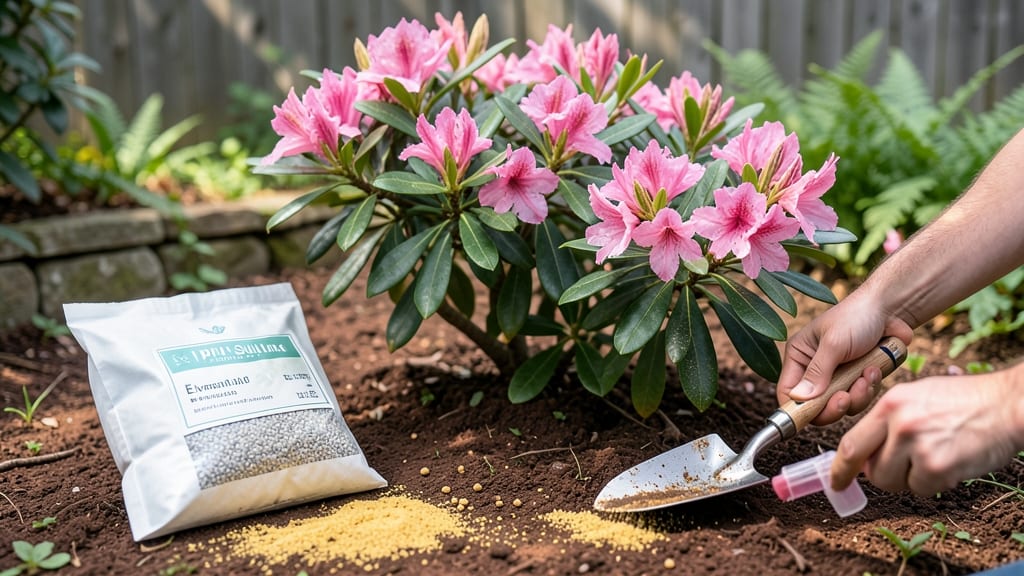
To lower soil pH with sulfur, use 1-2 pounds per 100 square feet for each full pH point you need to decrease, spread evenly, and work into the top 6 inches. Soil testing first is critical since rates depend on clay content and organic matter. Annual reapplication may be needed for acid-loving plants like blueberries or azaleas.
Sulfur works by gradually converting to sulfuric acid in moist soil, which releases hydrogen ions that lower pH over weeks. Clay-heavy soils hold moisture better, speeding up the process, while sandy soils may require more frequent applications. 🔥 For best results, apply in early spring when soil temperatures are consistently above 50°F, ensuring moisture is present to activate the chemical reaction.
Most gardeners find success by dividing the total sulfur amount into two applications—once at planting and again mid-season—to maintain consistent acidity levels. Always wear gloves when handling sulfur, as direct skin contact can irritate.
A pH test kit is your best tool for tracking progress, as visual cues alone won't reveal subtle changes in soil chemistry.
💡 In This Article
- How Sulfur Chemically Lowers Soil pH Levels
- Step-by-Step Sulfur Application Guide for Acid-Loving Gardens
How sulfur chemically lowers soil pH levels
When you add elemental sulfur to soil, it doesn't work instantly—it undergoes a slow chemical transformation that's all about oxidation. The sulfur particles react with soil moisture and microorganisms to form sulfuric acid (H₂SO₄), which then dissociates into hydrogen ions (H⁺).
These hydrogen ions are what actually lower the pH by displacing other positively charged ions like calcium and magnesium. Think of it like adding lemon juice to water: the acidity increases gradually as the chemical reaction progresses.
The speed of this process depends heavily on soil texture and moisture. Clay soils hold water better, creating ideal conditions for sulfur oxidation, while sandy soils drain quickly and may require 20-30% more sulfur to achieve the same pH drop.
Warm temperatures (60-75°F) accelerate the reaction, which is why spring application works best—cool soil slows everything down. 🔥 For example, in a clay garden bed needing a 1-point pH drop, you'd use 1.5 pounds of sulfur per 100 square feet, but in sandy soil, you might need 2 pounds to compensate for faster drainage.
What most gardeners miss is that sulfur works best when applied to moist (but not waterlogged) soil. Dry conditions halt the oxidation process entirely, leaving your sulfur inactive until rain arrives.
That's why many gardeners combine sulfur application with a light watering—just enough to dampen the top inch without creating puddles. The microbial activity that drives this chemical reaction thrives in this Goldilocks zone of moisture.
Organic matter in your soil also plays a crucial role. Decomposing plant material provides the microbial food source needed to convert sulfur efficiently. In highly organic soils (like compost-rich beds), you might see pH changes within 4-6 weeks, while sterile or sandy soils could take 8-12 weeks.
This is why soil testing before application isn't just recommended—it's essential for precise calculations.
Here's what happens at the microscopic level: The sulfur particles (S⁰) first oxidize to sulfate (SO₄²⁻), then through microbial action form sulfurous acid (H₂SO₃), which further oxidizes to sulfuric acid.
This acid then donates H⁺ ions to the soil solution, creating the acidic environment that plants like blueberries and hydrangeas crave. The process is self-regulating—once the desired pH is reached, the reaction naturally slows down.
One common misconception is that more sulfur equals faster results. In reality, exceeding recommended rates can create a toxic environment for beneficial microbes, actually slowing down the acidification process. The key is patience and proper application technique—think marathon, not sprint.
For visual reference, imagine sulfur working like a slow-release fertilizer, but for soil chemistry instead of plant nutrients. 💫