
Planting
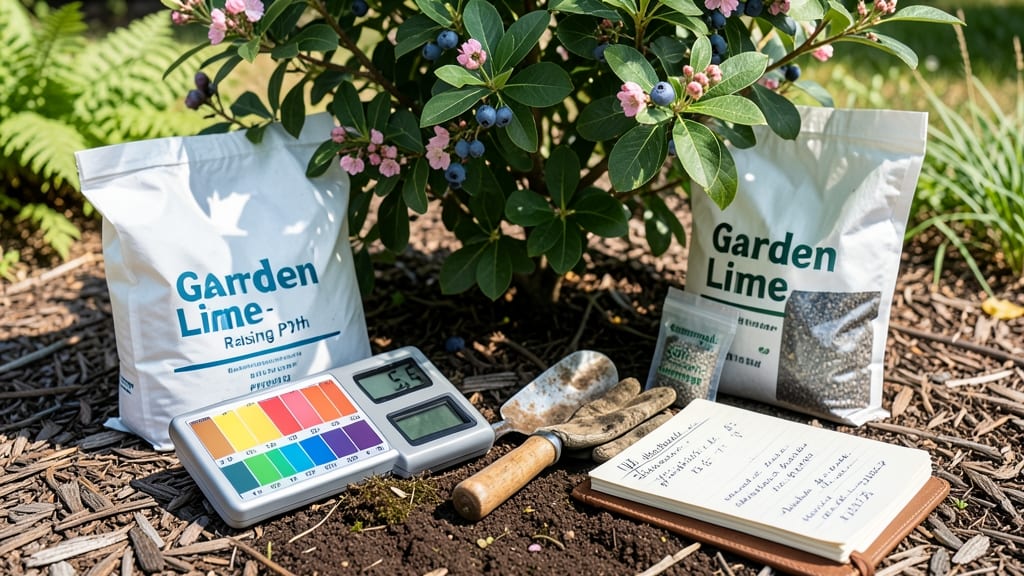
Adjusting soil pH isn't as scary as it sounds—it’s the secret to unlocking vibrant blueberries, lush azaleas, or even happy tomatoes. 🌱 I learned the hard way when my blueberry bushes refused to fruit, despite my best care, because the soil was too alkaline.
A simple soil test and a few adjustments changed everything within weeks.
You don’t need fancy equipment: grab a basic pH test kit (or even a DIY vinegar/baking soda test), a garden fork, and the right amendments—lime to raise pH or sulfur to lower it.
The key is patience: soil changes take time, but with the right approach, you’ll see results in just a few months. For acid-loving plants, aim for a pH between 4.5 and 5.5—that’s where they thrive.
Once you’ve tested and amended, monitor your plants for signs of improvement: darker green leaves, stronger growth, and—if you’re lucky—those first sweet blueberries. The best part? Healthy soil means fewer pests and diseases, so your garden becomes easier to care for over time.
This isn’t just about fixing one problem; it’s about setting your soil up for long-term success.
Works for containers, raised beds, or in-ground gardens—just scale the amendments to your space. And here’s the bonus: once you master pH, you’ll start noticing other soil quirks, like texture and nutrient balance, that make your garden even more productive. Let’s get those plants happy!
📚 In This Guide
- What you need
- Instructions
- Tips and common mistakes
- Wrapping up and next steps
What you need
- ○ Soil pH testing kit – Digital or liquid test kits (e.g., LaMotte or MySoil) for accurate readings. Optional: pH strips for quick checks.
- ● Garden lime (calcium carbonate) – 5–10 lbs per 100 sq ft (for raising pH). Look for pelletized lime (slow-release) or hydrated lime (fast-acting).
- ● Sulfur or aluminum sulfate – 1–2 lbs per 100 sq ft (for lowering pH). Note: Sulfur works slowly (weeks/months); aluminum sulfate acts faster.
- ● Garden gloves – Heavy-duty to protect hands from lime/sulfur.
- ● Garden rake or tiller – For mixing amendments into the top 6–12 inches of soil.
- ● Watering can or hose – To hydrate soil after amendment application.
- ● Measuring scoop or bucket – For precise application of lime/sulfur.
- ● Notebook or app – To log initial pH and track progress over time.
- ● Compost or organic matter – Improves soil structure while adjusting pH gradually.
- ● Wood ash – Use sparingly! Raises pH slightly but can over-alkalize. 1–2 cups per 100 sq ft max.
- ● Coffee grounds – Mildly acidic (pH ~6.2–6.8). Spread 1–2 inches and till into soil.
- ● pH buffer solution (for digital test kits) – Ensures accurate readings if your soil is highly organic.
- ● Soil moisture meter – Helps determine the best time to test pH (soil should be moist but not soggy).
Step-by-step instructions for adjusting soil pH
Here's how I quickly balance soil pH for acid-loving plants without waiting months for results.
🌱 Step 1: Test Your Current Soil pH
Grab a soil pH test kit (digital or liquid test strips) and collect samples from 4-6 spots in your garden bed, about 6 inches deep. Mix them together in a clean bucket—this gives you an average reading. I like to test in the morning when soil is cooler and moisture levels are stable.
Follow the kit instructions exactly—usually you mix soil with distilled water, wait 5 minutes, then compare color changes. Most acid-loving plants (like azaleas, blueberries, and hydrangeas) thrive at pH 4.5-5.5. If your reading is below 4.5, you'll need to raise the pH slightly. If it's above 6.0, you're dealing with alkaline soil and will need to lower it.
💧 Step 2: Apply the Right Amendment for Your pH Needs
For acidic soil (pH below 4.5): Sprinkle elemental sulfur evenly over the soil surface—about 1-2 pounds per 100 square feet. Water it in well, and it will gradually lower the pH over 2-3 months. I like to apply it in early spring so the plant roots have time to adjust before peak growing season.
For alkaline soil (pH above 6.0): Use peat moss or pine needles to acidify the soil naturally. Mix 2-3 inches of peat moss into the top 6 inches of soil in garden beds, or spread pine needle mulch around plants. These organic amendments release acids slowly as they break down. For faster results, use sphagnum peat moss—it works within 4-6 weeks when worked into the soil.
☀️ Step 3: Incorporate and Water Thoroughly
Use a garden fork or tiller to mix amendments into the top 6-8 inches of soil—this ensures even distribution. If you're working around established plants, gently loosen the soil with a hand fork to avoid damaging roots. Water the area deeply after amending to help the amendments settle and activate.
For container plants, mix amendments directly into the potting mix before replanting. I like to add a handful of peat moss to every gallon of potting mix for acid-loving plants like gardenias or camellias. Water until it drains freely from the bottom—this helps the amendments integrate fully.
⏰ Step 4: Monitor and Retest in 4-6 Weeks
Wait 4-6 weeks before retesting your soil pH—this gives amendments time to take effect. Dig up a fresh sample from the same spots and test again. If the pH still isn't in the ideal range, repeat the process with a slightly smaller amount of amendment. Overdoing it can shock plants or create extreme pH swings.
Watch your plants for signs of improvement: azaleas should produce more blooms, blueberries will have deeper blue fruit, and hydrangeas may change flower color if the pH shifts enough. If you see yellowing leaves or stunted growth, you may have overcorrected—adjust with the opposite amendment next time.
Tips & tricks for perfect soil pH adjustment
These quick fixes will help you get your soil just right for acid-loving plants without the months-long wait.
Timing Tip: That 5-minute wait during your initial pH test is crucial—don't skip it! I've seen people rush this step and get inaccurate readings. The color change happens gradually, so set a timer and let the soil-water mixture fully develop its hue before comparing. This ensures you know exactly where you stand before making any amendments.
Amendment Application: When applying 1-2 pounds of elemental sulfur per 100 square feet, I recommend spreading it evenly in a grid pattern rather than all at once. This helps prevent uneven pH changes across your garden bed. For peat moss, work it into the top 6 inches—don't just sprinkle it on top, or you'll create a thin acidic layer that won't penetrate where roots are actively growing.
Container Plant Hack: For potted plants, I've found that mixing a handful of peat moss per gallon of potting mix works wonders. The key is to distribute it evenly throughout the mix rather than just adding it to the bottom. This ensures the entire root zone benefits from the acidification, not just the lower portion where drainage occurs.
Monitoring Strategy: Those 4-6 weeks between tests might feel long, but they're essential. I like to mark my garden beds with stakes after the first amendment application to remember where I took samples. This helps me retest in exactly the same spots for accurate comparisons. If you're impatient, you can test every 2 weeks starting at week 2, but be prepared for gradual changes.
Pro Tips for Adjust Soil Ph
- These quick fixes will help you get your soil just right for acid-loving plants without the months-long wait.
- Timing Tip: That 5-minute wait during your initial pH test is crucial—don't skip it!
- Amendment Application: When applying 1-2 pounds of elemental sulfur per 100 square feet, I recommend spreading it evenly in a grid pattern rather than all at once.
Frequently asked questions
How often should I test my soil pH?
Test your soil every 1–2 years for general gardens, or annually if you’re growing acid-loving plants like blueberries or azaleas. After major amendments (like lime or sulfur), retest in 3–6 months to monitor changes. Consistency is key—don’t overdo it!
How long does it take for pH adjustments to work?
Quick fixes (like sulfur or lime) show results in 2–4 weeks for topsoil, but deeper soil changes can take 6 months to a year. Rain and organic matter can slow progress, so be patient. For fast results, mix amendments into the top 6 inches of soil where roots thrive.
Can I use household items to adjust pH instead of store-bought amendments?
Yes! For lowering pH (more acidic), try coffee grounds, vinegar (diluted!), or pine needles. To raise pH (more alkaline), use wood ash, crushed eggshells, or baking soda. Just test first—household items are weaker and less precise than commercial amendments.
What if my plants still look unhealthy after adjusting pH?
Check for other issues first! Yellow leaves could signal nutrient deficiencies (add compost) or overwatering. If pH is correct but problems persist, test for soil compaction, pests, or disease. Sometimes, plants need time to recover—give them 4–6 weeks to show improvement.
Is it better to adjust pH gradually or all at once?
Gradual adjustments are safer! Shocking soil with large amounts of lime or sulfur can harm microbes and burn roots. Start with half the recommended dose, retest in 2–3 months, then adjust as needed. Think of it like fine-tuning a recipe—small changes yield the best results!
Wrapping up and next steps
Adjusting your soil pH doesn’t have to be complicated—with the right materials and a little patience, you can create the perfect growing environment for your acid-loving plants! 🌱 Whether you’re tackling high pH with sulfur or boosting acidity with pine needles, small changes lead to big results.
Remember, consistency is key, so monitor your soil regularly and adjust as needed.
Ready to give your plants the ideal home? Test your soil again in 4-6 weeks to see how your efforts paid off—and don’t forget to share your progress with fellow gardeners! Happy planting! 🌿