
Container Gardens
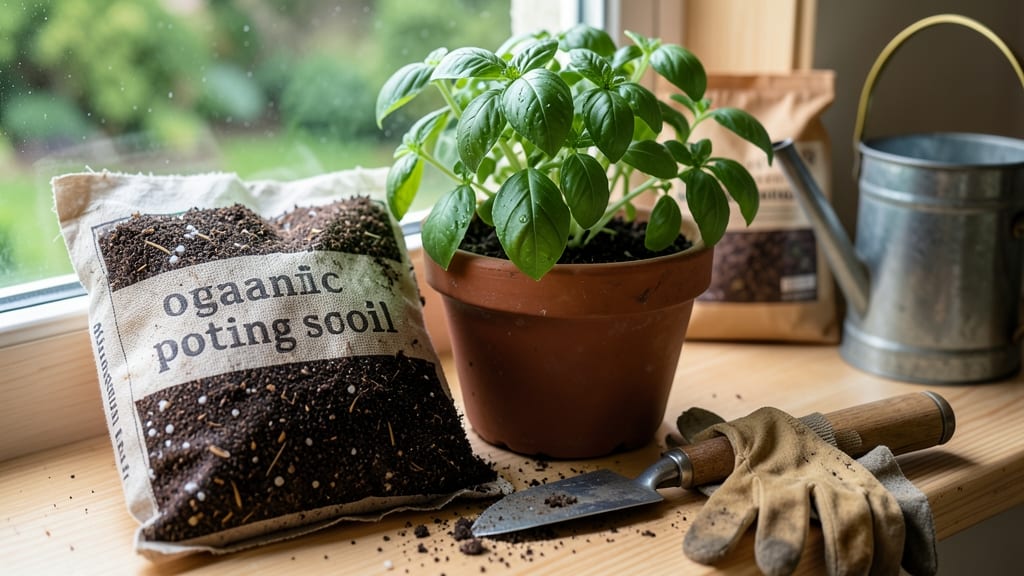
To change soil in potted plants every 12 to 18 months prevents nutrient depletion, compaction, and root rot, though tropical plants may need fresher soil annually. Monitor for slow growth, foul odors, or roots circling the pot’s edge as key indicators it’s time for a refresh.
Soil in containers breaks down faster than garden beds because it lacks natural replenishment from rain, wind, and organic debris.
Over time, nutrients like nitrogen and phosphorus get used up, while minerals like potassium bind tightly to roots, becoming inaccessible. 🌱 The soil also compacts as roots grow, reducing oxygen flow—this is why even healthy-looking plants may need a soil refresh before they show obvious distress.
Tropical plants, which grow more aggressively, often deplete nutrients quicker, making annual soil changes ideal for their vigorous growth patterns.
Another critical factor is microbial balance. Healthy soil teems with beneficial bacteria and fungi that help roots absorb nutrients, but these populations decline in stagnant potted soil.
The buildup of salts from fertilizers or tap water also creates a hostile environment for roots, especially in indoor plants where drainage is limited. That’s why I always recommend testing soil pH before repotting—aim for a range of 6.0 to 7.0 for most container plants.
💡 In This Article
- Why Potted Plant Soil Degrades Over Time
- Step-by-Step Guide to Refreshing Potted Soil
Why potted plant soil degrades over time
Potted plant soil breaks down through a combination of biological and physical processes. Nutrients like nitrogen and phosphorus get absorbed by roots and washed away during watering, while organic matter decomposes into fine particles that lose structure.
After just 12 months, soil can lose up to 50% of its initial fertility—especially in small containers where roots compete aggressively for resources. The microbial ecosystem that supports root health also collapses, with beneficial fungi like mycorrhizae declining by 30-40% annually in stagnant soil.
Physical compaction is another silent killer. As roots expand, they push soil particles closer together, reducing pore space for air and water movement. This creates anaerobic pockets where roots suffocate, leading to that foul, sour smell many gardeners notice.
Tropical plants accelerate this process—their dense root systems can compact soil twice as fast as succulents, which is why they often need annual soil refreshes. Even with regular watering, the lack of natural tillage from wind or earthworms means potted soil stays dense and inhospitable.
The root system itself evolves in ways that stress the soil. As plants mature, roots grow thicker and more fibrous, creating a dense mat that blocks water penetration. When you see roots circling the pot's edge (a clear sign of root-binding), they've essentially created their own compacted zone.
This physical pressure crushes soil particles, reducing water retention capacity by 25-30%—which is why repotted plants often wilt temporarily even when watered normally. The solution? Loosening the soil during repotting mimics natural aeration.
Different plant types have vastly different soil lifespans. Succulents and cacti, for example, thrive in mineral-heavy soils that stay fertile for 2-3 years because their slow growth rates minimize nutrient demand. Meanwhile, tropical plants like ferns or calatheas deplete nutrients in 6-12 months due to their rapid foliage production.
Even the pot material matters—terracotta wicks moisture faster, accelerating nutrient leaching compared to plastic containers that trap water and salts.
One often-overlooked factor is the buildup of soluble salts from fertilizers or tap water. These salts accumulate in the soil profile, creating a crust that repels water and blocks root absorption.
A simple conductivity test (using a cheap TDS meter) can reveal salt levels—any reading above 1.5 dS/m indicates it's time to refresh the soil. This buildup is particularly problematic for indoor plants, where evaporation rates are lower and salts have nowhere to go but deeper into the root zone.
Here's what's actually happening at the microscopic level: Soil particles develop a negative charge over time, attracting positively charged nutrients like potassium and calcium. But as these nutrients get absorbed by roots, they leave behind a depleted zone where only water-soluble salts remain.
The result? Roots struggle to uptake essential elements even when the soil looks moist. For container gardeners, this means your $20 bag of potting mix might only deliver 30% of its promised nutrients by the second year.