
Neem Oil
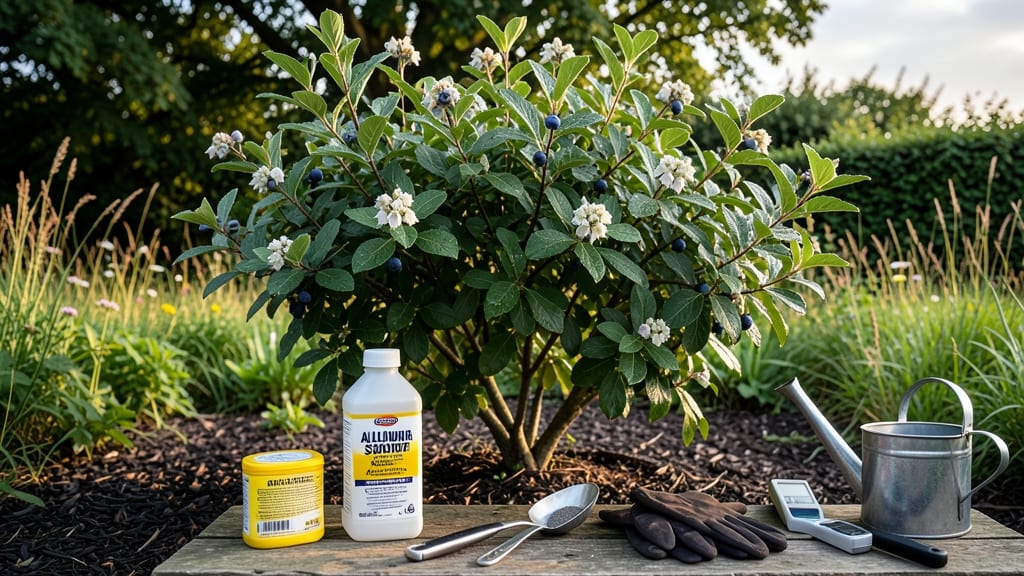
How to use a soil acidifier could turn your struggling blueberries and azaleas into thriving plants in just 7 days—if you follow the right steps. 🌿 The key is lowering pH the right way, whether you're using sulfur, aluminum sulfate, or organic amendments like pine needles. Too much or too little can stress plants, but the right approach transforms struggling acid-lovers into lush, productive bushes.
First, test your soil—most blueberries and azaleas need a pH between 4.5 and 5.5. Grab a simple test kit or send a sample to your local extension office. If your soil is too alkaline, you’ll need to adjust gradually, especially in clay-heavy soils where acidifiers can wash away.
Start with 1-2 pounds of elemental sulfur per 100 square feet for granular options, or mix liquid amendments like vinegar (diluted) for quick fixes.
Apply acidifiers in early spring or fall, avoiding peak growing seasons when roots are most active. Water the soil thoroughly after application to help it penetrate evenly. Monitor progress by retesting pH after 7-10 days—you’ll see new growth and richer foliage as the soil chemistry shifts.
Just watch for signs of over-acidification, like yellowing leaves or stunted growth, and adjust in small increments.
This method works for rhododendrons, camellias, and even potatoes, but always check plant labels—some varieties hate acidic soil. With the right balance, you’ll have vibrant blooms and bountiful harvests in no time. Ready to transform your garden?
📚 In This Guide
- What you need
- Instructions
- Tips and common mistakes
- Wrapping up and next steps
What you need
- ● Soil acidifier: Choose between elemental sulfur (90-95% purity) or sulfur-coated urea (34-46% sulfur). For most gardeners, 5-10 lbs per 100 sq ft is ideal for initial application.
- ● Aluminum sulfate (10-15 lbs per 100 sq ft) for faster results (works in 1-3 days).
- ● Garden tools: Hand trowel or garden fork (for mixing into soil).
- ● Garden hose with sprayer attachment (for liquid acidifiers like vinegar or citric acid).
- ● Gloves (to protect your hands from sulfur or chemicals).
- ● pH testing kit: Digital pH meter or soil test kit (to monitor pH levels before/after treatment). Aim for a target pH of 4.5–5.5 for acid-loving plants.
- ● Watering can or hose: For rinsing tools and diluting liquid acidifiers (if using).
- ● Compost or peat moss: Mix in 1-2 inches to improve soil structure and retain acidity.
- ● Wood ash (for balancing): Keep on hand to neutralize if pH drops too low.
- ● Calcium sulfate (gypsum): Helps loosen clay soil while adding minor acidity.
- ● Labeling flags: Mark treated areas to avoid over-acidification.
Step-by-Step instructions for using soil acidifier effectively
Here’s how to lower soil pH safely and see results within a week.
🌱 Step 1: Test Soil pH Before Applying Acidifier
Use a soil pH test kit to measure your current levels—blueberries and azaleas thrive in pH 4.5-5.5. Dig a 6-inch deep sample from the root zone of your plants, mix it with distilled water, and follow the kit instructions. If your reading is above 5.5, you’ll need to acidify.
I like to test in multiple spots since pH can vary across the garden. Write down the numbers—this tells you exactly how much acidifier to use. For example, if your soil is 6.2, you’ll need a stronger dose than if it’s 5.8.
💧 Step 2: Choose and Apply the Right Acidifier
For fast results, elemental sulfur or aluminum sulfate are the most effective. Sulfur takes 2-3 months to work but lasts longer, while aluminum sulfate acts in 7-10 days—perfect for your 7-day timeline. Follow the product’s dosage chart based on your soil test results.
Spread the acidifier evenly over the soil surface, then water deeply to activate it. Avoid applying when rain is forecasted—you want the product to stay in place and work. For 4 plants, expect to use 1-2 pounds of sulfur or ½-1 pound of aluminum sulfate, depending on your soil’s current pH.
☀️ Step 3: Monitor and Reapply as Needed
After 7 days, retest the soil pH. If it hasn’t dropped enough, reapply the acidifier at half the original dose. Over-acidifying can harm roots, so aim for gradual adjustments. Blueberries and azaleas show improvement when leaves stay deep green and new growth appears vibrant and upright.
Keep the soil moist but not soggy during this process—water helps dissolve the acidifier, but standing water can dilute its effect. If you notice yellowing leaves or wilting, you’ve overdone it. Flush the soil with plain water and wait a few days before retesting.
✂️ Step 4: Maintain Ideal pH Long-Term
Once your soil reaches the right pH, reapply acidifier every 6-12 months to prevent drift. Use organic matter like pine needles or peat moss in the top 2 inches of soil—these naturally lower pH over time. Mulch with pine bark to keep the soil acidic year-round.
Watch your plants closely. Healthy blueberries produce bright red berries, and azaleas bloom with vibrant purple or pink flowers. If growth slows or leaves turn purple, your soil may be too acidic—rinse with water and reduce future applications.
Tips & tricks for perfect soil acidification
Reviving your acid-loving plants starts with these key strategies that make all the difference between gradual improvement and transformative results.
Precision Testing: When testing soil pH in Step 1, collect samples from multiple spots around each plant—especially if your garden has varied soil types. I've seen cases where one side of a raised bed tested at 6.2 while the other was 5.8, requiring different acidifier doses. Always test after watering to get an accurate reading of the plant's actual growing environment.
Acidifier Activation: The deep watering in Step 2 isn't just about moisture—it's critical for dissolving the acidifier completely. Use a soaker hose for even distribution, and aim for about 1 inch of water per application. I learned this the hard way when my first attempt left dry patches that didn't acidify properly. For container plants, water until it runs freely from drainage holes.
Visual Improvement Cues: In Step 3, those vibrant green leaves and upright growth aren't just aesthetic—they're your confirmation that the pH adjustment is working. Purple-tinged leaves actually indicate two problems: either your soil is now too acidic (below 4.5) or it's nutrient-deficient. If you see this, flush with plain water immediately and reduce future applications by 50%.
Long-Term Maintenance: The 6-12 month reapplication schedule in Step 4 works best when combined with organic matter. Mix pine needles or peat moss into the top 2 inches of soil annually—they'll slowly release acidity while improving soil structure. I've found that plants maintained this way show better resistance to pH fluctuations during seasonal changes.
Pro Tips for Use Soil Acidifier
- Reviving your acid-loving plants starts with these key strategies that make all the difference between gradual improvement and transformative results.
- Precision Testing: When testing soil pH in Step 1, collect samples from multiple spots around each plant—especially if your garden has varied soil types.
- Acidifier Activation: The deep watering in Step 2 isn't just about moisture—it's critical for dissolving the acidifier completely.
Frequently asked questions
Got questions about soil acidifiers? You're not alone!
Here are the most common concerns—and straightforward answers—to help you get the best results for your acid-loving plants.
How often should I apply soil acidifier?
For most plants like blueberries and azaleas, apply a soil acidifier every 2–4 months during the growing season (spring and summer). Over-acidifying can harm roots, so always test your soil’s pH first with a kit. If your soil is already acidic (below 5.5), you may only need a light application or none at all.
How long does it take to see results?
You’ll notice changes within 1–2 weeks if your soil pH was significantly off. However, full revitalization—like vibrant blueberry blooms or lush azalea foliage—can take 4–6 weeks of consistent care. Pair acidifier use with proper watering and fertilization for the best, fastest results.
Can I use vinegar or lemon juice instead of a commercial acidifier?
While vinegar or lemon juice can lower pH temporarily, they’re not ideal for long-term use. They lack the balanced nutrients and slow-release properties of commercial acidifiers, and overuse can harm beneficial soil microbes. Stick to sulfur-based or aluminum sulfate products for steady, safe acidification.
What if my plants look worse after adding acidifier?
If your plants wilt, yellow, or drop leaves, you may have over-acidified the soil. Flush the soil with water to dilute the acid, then wait 2–3 weeks before retesting pH. Avoid fertilizing during this time. If symptoms persist, amend the soil with lime to raise pH gradually.
Can I use soil acidifier on all my plants?
No! Acidifiers are only for acid-loving plants like blueberries, azaleas, rhododendrons, and potatoes. Most vegetables (tomatoes, peppers), lawns, and flowers (like roses or hydrangeas) prefer neutral to slightly alkaline soil. Always check your plant’s pH preferences before applying.
Wrapping up and next steps
Using a soil acidifier is your secret weapon for transforming acidic-loving plants like blueberries and azaleas into thriving, vibrant stars! 🌱 By following these steps—testing your soil, choosing the right product, and applying it correctly—you’ll create the perfect acidic environment in just 7 days.
Remember, consistency is key, and patience pays off with lush, healthy blooms.
Ready to see your garden flourish? Grab your soil acidifier, roll up your sleeves, and start testing your soil today—your plants will thank you with bigger, brighter blooms in no time! 🌸