
How To
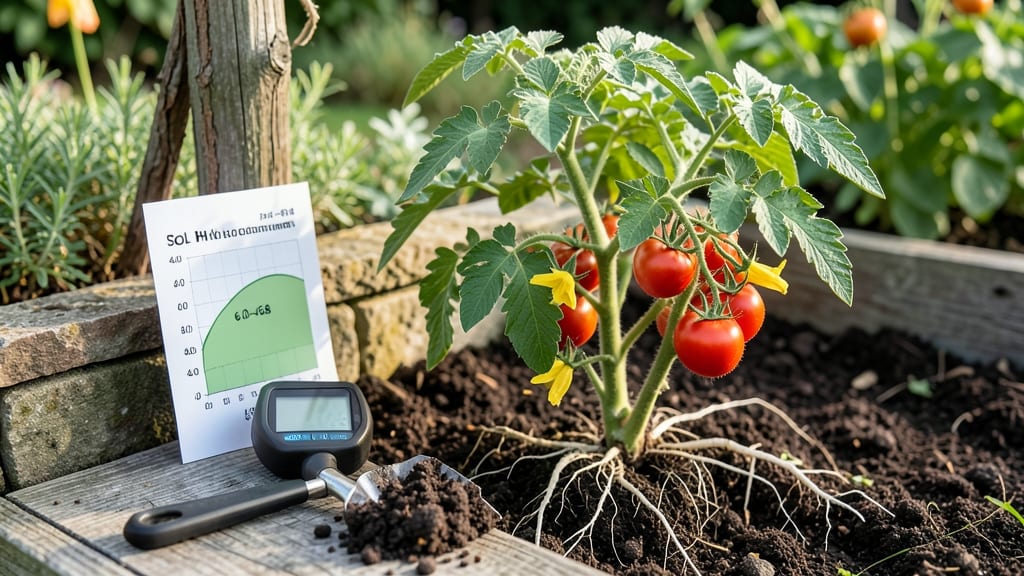
The ideal soil pH for tomatoes is between 6.0 and 6.8, creating slightly acidic to neutral conditions. This precise range maximizes nutrient uptake—particularly calcium and phosphorus—essential for vigorous plant growth and high-quality fruit production. Regular pH testing helps prevent deficiencies that can lead to common issues like blossom-end rot.
Tomatoes thrive when soil chemistry aligns with their natural needs, and this pH range isn't just about numbers—it's about unlocking the full potential of your plants. 🌱 When soil pH strays too acidic (<6.0) or alkaline (>6.8), critical nutrients become locked away, leaving your tomatoes struggling even with proper fertilization.
For example, calcium deficiency (common in alkaline soils) causes that dreaded blossom-end rot, while iron chlorosis appears in overly acidic conditions. The good news? Simple adjustments like adding pelletized lime (for acidity) or elemental sulfur (for alkalinity) can restore balance in just a few weeks.
Most gardeners test their soil in early spring before planting, but I recommend checking again after harvest to account for seasonal changes. Digital pH meters provide instant results for about $20, while DIY test kits from garden centers offer a budget-friendly alternative.
Pro tip: Test multiple spots in your garden—soil composition can vary dramatically even in small areas.
💡 In This Article
- Why Soil pH Matters for Tomato Growth and Fruit Quality
- Quick Soil pH Testing Methods for Tomato Gardens
Why soil pH matters for tomato growth and fruit quality
Tomatoes absorb nutrients through their root hairs, but soil pH acts like a gatekeeper—controlling which nutrients are available and which remain locked away. At the ideal 6.0-6.8 range, calcium (critical for cell wall strength) and phosphorus (essential for energy transfer) become highly soluble, allowing roots to uptake them efficiently.
When pH drops below 6.0, aluminum and manganese become toxic, while above 6.8, iron and zinc precipitate into insoluble forms, causing deficiencies even when soil contains these nutrients.
This is why you might see yellowing leaves (iron chlorosis) in alkaline soils or stunted growth in overly acidic conditions. 🌱
The science gets even more interesting when you consider soil microbes. Beneficial bacteria and fungi that help break down organic matter thrive in this pH range, creating a symbiotic relationship where they release nutrients in forms tomato roots can absorb.
For example, mycorrhizal fungi form networks around roots, increasing surface area by up to 70%—but they only function optimally between 6.0-7.0. Outside this range, microbial activity slows dramatically, reducing nutrient cycling by 40-60%.
This microbial connection explains why tomatoes grown in balanced pH soils often show 20-30% higher yields even with identical fertilization.
One of the most visible signs of pH imbalance is blossom-end rot—a calcium deficiency that creates sunken, leathery spots on fruit. While many gardeners blame inconsistent watering, the real culprit is often soil pH preventing calcium uptake.
In alkaline soils, calcium carbonate forms, making calcium unavailable despite being present in the soil. The solution isn't just adding more calcium (like crushed eggshells)—you must first adjust the pH to 6.5 or below to unlock its availability.
This explains why some gardeners see dramatic improvements after a simple pH adjustment, even when using the same fertilizer for years. 💡
Magnesium plays another crucial role in tomato health, particularly for chlorophyll production. At pH 6.5, magnesium availability is optimal, but below 6.0, it becomes tightly bound to soil particles. This deficiency often appears as interveinal chlorosis (yellowing between leaf veins), which can reduce photosynthesis by 30-50%.
The good news is that magnesium sulfate (Epsom salt) works quickly when applied to acidic soils, but only if the pH is first corrected to the 6.0-6.8 range. Many gardeners overlook this two-step process, leading to wasted time and money.
What most people don't realize is that pH affects even the flavor of tomatoes. Research from the University of California shows that tomatoes grown in slightly acidic soils (6.2-6.5) develop more complex sugar profiles, particularly fructose and glucose, which contribute to that sweet, juicy flavor we all love.
This happens because the optimal pH range enhances enzymatic activity in the fruit itself during ripening. While the difference might seem subtle, experienced gardeners can often taste the difference between tomatoes grown at pH 6.3 versus 7.0. 🍅
For container gardeners, pH management becomes even more critical because you're working with limited soil volume. In pots, pH can fluctuate more rapidly due to watering practices and fertilizer runoff. I recommend testing container soil every 4-6 weeks during the growing season, especially if you're using hydroponic or soilless mixes.
These mediums often start near neutral but can become acidic within weeks due to nitrogen fertilizer breakdown. The key is to maintain that 6.0-6.8 window consistently—even small deviations can trigger nutrient lockout in the confined root zone.