
How To
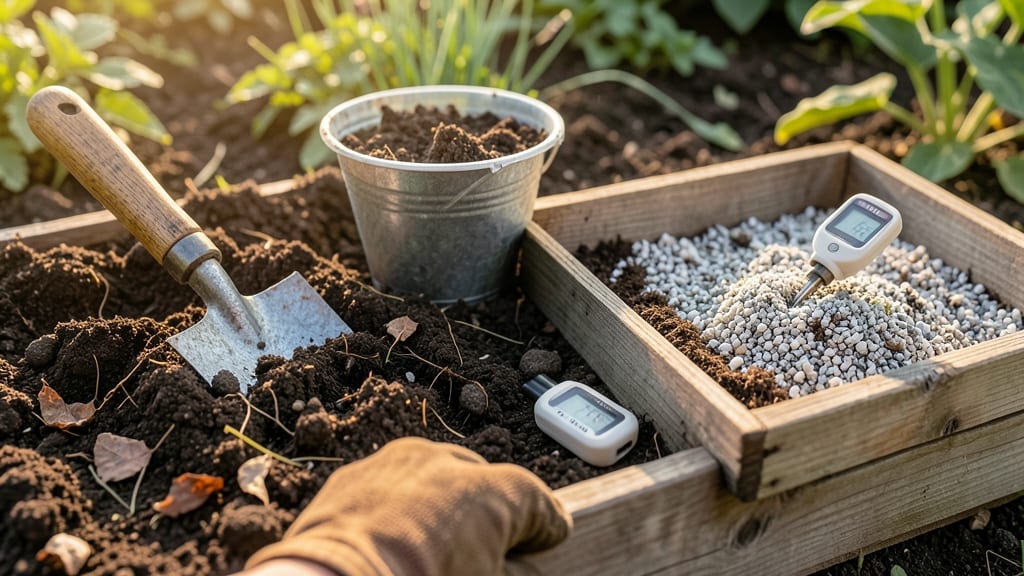
For using in-ground soil as potting mix, you must blend native dirt with organic materials like compost or peat moss to boost aeration and drainage while preventing soil compaction. Heavy clay or sandy soils need special adjustments before use.
Native garden soil often lacks the structure and nutrients potted plants need—especially in containers where roots can't spread freely. 🌱 The key is balancing your soil's texture with 20-30% organic matter (like well-aged compost or coconut coir) to create a looser, more breathable medium.
I've found that adding 1 part perlite or coarse sand to 3 parts amended soil works wonders for drainage-heavy plants like succulents, while worm castings boost nutrient density for leafy greens.
Always sterilize your mix first by baking it at 200°F for 30 minutes to kill pathogens that could harm delicate roots.
Why this matters: Container plants dry out faster and have limited root space, so your mix must work harder than in-ground soil. The right amendments create a sponge-like structure that holds moisture without suffocating roots—a balance most native soils can't achieve alone.
For heavy clay soils, I recommend mixing in 50% peat moss or bark fines to break up compaction, while sandy soils benefit from 30% compost and 10% vermiculite to improve water retention.
💡 In This Article
- How to Test and Modify In-Ground Soil for Potted Plants
- Best Organic Amendments for DIY In-Ground Potting Mix
How to test and modify in-ground soil for potted plants
Start by analyzing your soil's three key properties: texture, pH, and organic content. The texture test is simple—grab a handful of moist soil and squeeze it. Clay holds tight and forms a hard ball when dry, while sandy soil crumbles instantly.
Loamy soil (ideal for potting) feels slightly gritty yet forms a loose ball that breaks apart easily. For potted plants, aim for a loamy texture that drains well but retains moisture—native clay or sand often need 20-40% organic amendments to achieve this balance.
Next, check the pH using a soil test kit (available for $10-$20). Most container plants thrive in pH 6.0-7.0, but acid-loving plants like blueberries need 4.5-5.5.
If your soil tests too alkaline (above 7.5), mix in elemental sulfur (1/4 cup per 5 gallons of soil) to lower the pH gradually. Organic matter like compost naturally buffers pH swings, making amended soil more stable for potted plants than unmodified native dirt.
The amendment process begins with organic matter—compost or well-rotted manure adds 2-5% organic carbon, improving water retention and microbial activity. For heavy clay, blend in 50% peat moss or coconut coir to create air pockets, while sandy soils benefit from 30% compost and 10% vermiculite.
Always mix amendments thoroughly, using a shovel or trowel to distribute them evenly. The goal is to create a 30-40% organic matter content, which mimics the nutrient density of high-quality potting mixes.
Drainage is critical in containers, so test your amended mix by filling a jar halfway with soil, adding water, and timing how long it takes to drain. Ideal mixes should drain completely in 10-15 minutes. If water pools at the bottom, add more perlite or coarse sand.
For plants like succulents, aim for 50% mineral content (perlite, pumice) to prevent root rot. 🌱 The right blend ensures roots get oxygen while retaining enough moisture—something heavy clay or pure sand can't provide alone.
Sterilization is often overlooked but essential. Pathogens in native soil can harm potted plants, especially in small containers where roots are confined. Sterilize your mix by baking it in a 200°F oven for 30 minutes or microwaving it in 1-minute bursts** (stirring between each).
This kills weeds, fungi, and bacteria without destroying beneficial microbes when done correctly. After sterilization, let the soil cool completely before potting—hot soil can damage delicate roots.
Here's a quick reference for common soil types:
- Clay Soil: Mix with 50% peat moss or coconut coir + 20% compost to break up compaction
- Sandy Soil: Add 30% compost + 10% vermiculite to improve water retention
- Loamy Soil: Enhance with 20% worm castings for nutrient boost
Remember, the goal isn't to replicate in-ground soil but to create a customized growing medium that addresses the unique challenges of container gardening—limited space, faster drying, and restricted root growth. With the right adjustments, your in-ground soil can become a high-performance potting mix! ✨