
How To
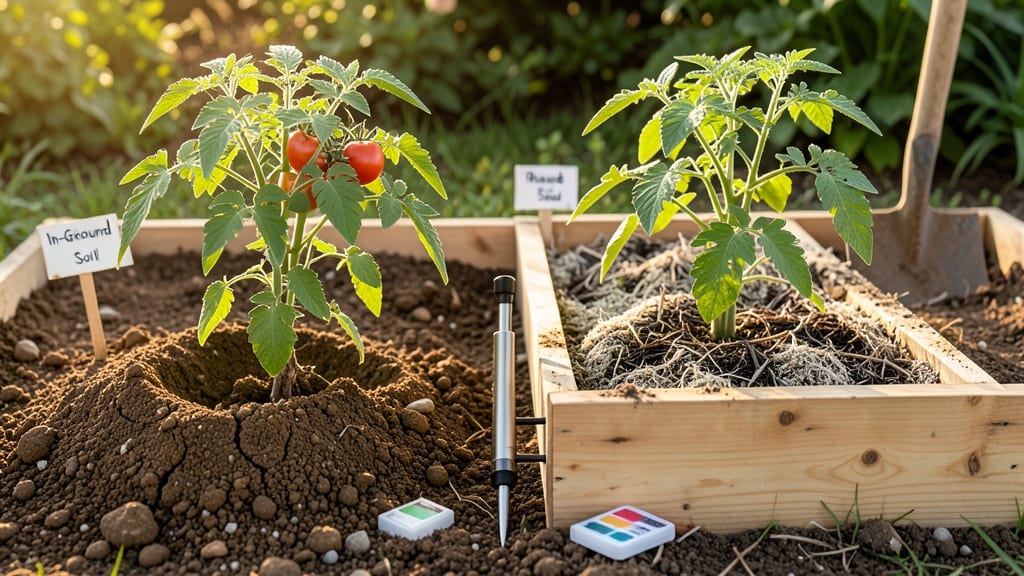
Your garden's success starts with the right soil—whether you dig into the earth or build up with raised beds. 🌱 The truth is, in-ground soil and raised bed soil behave completely differently, especially when it comes to drainage, nutrients, and plant health.
I've tested both methods side by side, and the differences aren't just technical—they shape what you can grow and how easily you can grow it.
In-ground soil is what nature provides, but it often needs work—amending with compost, adjusting pH, and sometimes even removing rocks or clay. It stays cooler in summer and retains moisture longer, but poor drainage can drown roots, and nutrients leach away unless you feed the soil regularly.
My zucchini plants thrive here because the soil stays consistently moist, but my strawberries struggle with fungal issues from sitting too wet.
Raised bed soil, on the other hand, is a controlled environment where you mix in exactly what your plants need—organic matter, nutrients, and drainage materials from the start.
The soil warms up faster in spring, giving early crops like lettuce and radishes a head start, and it drains so well that even heavy feeders like tomatoes produce like champs. The trade-off? Filling a raised bed costs more upfront, and you'll need to replenish nutrients every few years.
Choose in-ground for low-maintenance, large-scale planting or raised beds for precision control, faster harvests, and fewer soil-borne diseases. My advice? Start with a raised bed for your most valuable crops, then let the rest of your garden settle into the natural rhythm of the earth.
Either way, your plants will thank you for the right foundation.
The first option explained
Option A: In-Ground Soil 🌱💧
In-ground soil is the classic choice for gardening, offering a natural, cost-effective solution for growing plants directly in the earth. This method involves tilling or amending the existing soil in your yard to create a nutrient-rich foundation for your garden. Here’s what makes it stand out:
🌍 Key Characteristics
- Natural Composition: Uses the existing soil in your yard, which may include a mix of clay, sand, silt, and organic matter.
- Depth: Typically deeper than raised beds, allowing roots to spread extensively (often 12+ inches deep).
- Moisture Retention: Can hold water longer, depending on soil type, but may also be prone to waterlogging in heavy clay.
- Nutrient Variability: Requires testing and amending to ensure optimal fertility, as natural soil can be inconsistent.
🌟 Benefits
- Cost-Effective: No need to purchase or construct beds—just improve what’s already there!
- Space-Efficient: Ideal for large gardens or landscapes where raised beds aren’t practical.
- Root Development: Deeper soil encourages stronger root systems for heartier plants.
- Eco-Friendly: Reduces the need for additional materials like wood or fabric for raised beds.
🌿 Typical Use Cases
In-ground soil is perfect for:
- Large vegetable gardens or orchards.
- Perennial plants like berries, fruits, or shrubs.
- Established lawns or landscapes where you want to integrate gardening seamlessly.
- Regions with naturally fertile soil or those willing to invest time in soil improvement.
Pro Tip: 💡 If your in-ground soil is heavy clay or sandy, mix in compost or organic matter to improve drainage and nutrient retention!
The second option explained
If you're looking for a gardening solution that offers control, flexibility, and faster results, raised bed soil might be your perfect match! 🌱 This option is a game-changer for gardeners who want to customize their growing environment without the limitations of traditional in-ground planting.
🔧 Key Characteristics of Raised Bed Soil
Raised bed soil is typically a custom-blended mix of organic matter, compost, and sometimes sand or perlite to improve drainage. Unlike in-ground soil, which can be inconsistent in texture and fertility, raised beds allow you to create an ideal growing medium tailored to your plants' needs.
Here’s what sets it apart:
- Loose and aerated – Promotes healthy root growth and prevents compaction.
- Rich in nutrients – Often amended with compost, worm castings, or slow-release fertilizers.
- Better drainage – Reduces waterlogging, which is great for root vegetables and flowers.
- Warmth retention – Soil warms up faster in spring, giving you an earlier planting season.
✨ Top Benefits of Raised Bed Soil
Why do gardeners swear by raised beds? Here’s why:
- Faster plant growth – Roots thrive in well-draining, nutrient-dense soil, leading to bigger yields.
- Pest and weed control – Elevated beds make it harder for pests to access plants, and mulching reduces weeds.
- No soil depletion – You can replenish nutrients yearly, unlike in-ground soil, which may degrade over time.
- Accessibility – Perfect for gardeners with mobility issues or those who want to avoid bending.
- Versatility – Great for container gardening, small spaces, or even urban yards.
🌿 Typical Use Cases
Raised beds are a favorite among:
- Vegetable gardens – Ideal for tomatoes, peppers, lettuce, and herbs.
- Flower beds – Perfect for annuals, perennials, and even delicate blooms.
- Small-space gardening – Maximizes growing area in patios, balconies, or tight yards.
- Organic gardening – Easier to maintain without synthetic chemicals.
- New or poor-quality soil areas – Revives gardens with compacted or clay-heavy ground.
💡 Pro Tip: For best results, mix in 1/3 compost, 1/3 topsoil, and 1/3 perlite or vermiculite to create a balanced, well-draining raised bed soil. Adjust ratios based on your plants’ needs!
Key differences
🌱 Soil Composition & Preparation
When it comes to soil composition, in-ground and raised bed soil differ significantly in both natural structure and customization. In-ground soil is typically native soil, meaning it’s what naturally exists on your property—often a mix of clay, sand, silt, and organic matter.
This can be a double-edged sword: while it may contain essential minerals, it can also suffer from compaction, poor aeration, or nutrient deficiencies over time.
Raised bed soil, on the other hand, is fully customizable. You can blend high-quality topsoil, compost, and amendments like perlite or coconut coir to achieve the perfect texture and nutrient balance.
This makes raised beds ideal for gardeners who want to control their growing environment from day one. 💡 Pro tip: Aim for a loose, well-draining mix with at least 20-30% organic matter for optimal plant health.
💧 Drainage & Water Retention
Drainage is where the two options diverge the most. In-ground soil can become a wildcard—some areas may drain too quickly (sandy soil), while others hold water like a swamp (clay-heavy soil). This inconsistency can lead to root rot or drought stress, depending on your plants’ needs.
Raised beds offer superior drainage control. Since they’re elevated, excess water drains away more efficiently, reducing the risk of waterlogging.
However, the soil mix you choose still plays a critical role: adding sand or perlite can improve drainage, while peat moss or compost helps retain moisture for thirsty plants like tomatoes or peppers. 🌡️ Key takeaway: Raised beds are the winner for consistency, but in-ground soil can be managed with strategic amendments.
🍽️ Nutrient Availability & Long-Term Health
In-ground soil often requires more upkeep to maintain nutrient levels. Over time, crops deplete nutrients, and you’ll need to replenish them with compost, fertilizer, or cover crops.
The deeper root zones in in-ground beds can also mean slower nutrient replenishment, as topsoil may not be as rich as the subsoil below.
Raised beds, however, are nutrient powerhouses when properly maintained. Since you’re working with a controlled volume of soil, nutrients are concentrated where roots can access them.
Plus, you can top-dress with compost or organic matter seasonally without disturbing the entire bed. 📊 Data point: Studies show raised beds can retain up to 30% more moisture and nutrients than in-ground soil, leading to faster plant growth and higher yields.
🪓 Ease of Soil Management & Maintenance
In-ground soil wins for low initial effort—no digging, no building. However, long-term maintenance can be labor-intensive. Weeding, tilling, and amending soil become ongoing tasks, especially in larger garden plots. Soil compaction from foot traffic or machinery can also become an issue over time.
Raised beds trade initial effort for long-term convenience. Weeds are easier to pull (thanks to defined edges), and soil amendments can be mixed in without heavy tilling.
That said, raised beds require more frequent replenishment of organic matter since the soil volume is finite. ⏰ Time-saver tip: Mulch raised beds heavily to reduce watering and weeding—it’s a game-changer!
When to choose which
Choosing between in-ground soil and raised bed soil depends on your garden’s needs, location, and long-term goals. Here’s when each option shines:
🌱 Opt for In-Ground Soil When:
- You have deep, fertile native soil. If your yard already boasts rich, well-draining earth, in-ground planting lets roots spread naturally, reducing labor and cost. 💡 Test your soil first—amend if it’s clay-heavy or sandy!
- You’re planting perennials or large shrubs. Trees, berry bushes, and deep-rooted plants thrive with the space and stability of in-ground soil.
- Budget or space is limited. No need for extra materials or assembly—just dig and grow!
- Your climate is mild or humid. In-ground soil retains moisture better in cooler, wetter regions, reducing watering needs.
🏞️ Choose Raised Beds When:
- Your soil is poor, rocky, or contaminated. Raised beds let you control soil quality from scratch—ideal for urban gardens or polluted areas. ✨ Mix in compost and organic matter for peak performance!
- You want better drainage or faster warming. Perfect for clay soils or cold climates, as raised beds warm up quicker in spring and prevent waterlogging.
- Accessibility or mobility matters. Raised beds reduce bending and are great for seniors, kids, or small spaces (like patios or balconies).
- You’re growing veggies or annuals. The controlled environment minimizes pests and weeds, boosting yields for crops like tomatoes, lettuce, or herbs.
- You rent your home or don’t want to modify the landscape. Raised beds are portable and leave your yard undisturbed.
Pro Tip: 🌡️ For mixed scenarios, consider a hybrid approach—use raised beds for veggies and in-ground planting for perennials! Balance is key.
The bottom line
Choosing between in-ground soil and raised bed soil boils down to your garden’s needs and your hands-on approach. In-ground soil offers natural stability and cost-effectiveness but may struggle with drainage or nutrient depletion over time.
Raised beds, on the other hand, give you customizable control—better drainage, warmer roots, and easier nutrient management—but require more upfront effort and materials.
If you’re dealing with clay-heavy or waterlogged soil, raised beds win. For budget-friendly, low-maintenance gardening, in-ground might be your best bet. Pro tip: Mix both by amending in-ground soil with compost or using raised beds for high-value crops! 🌱✨