
How To
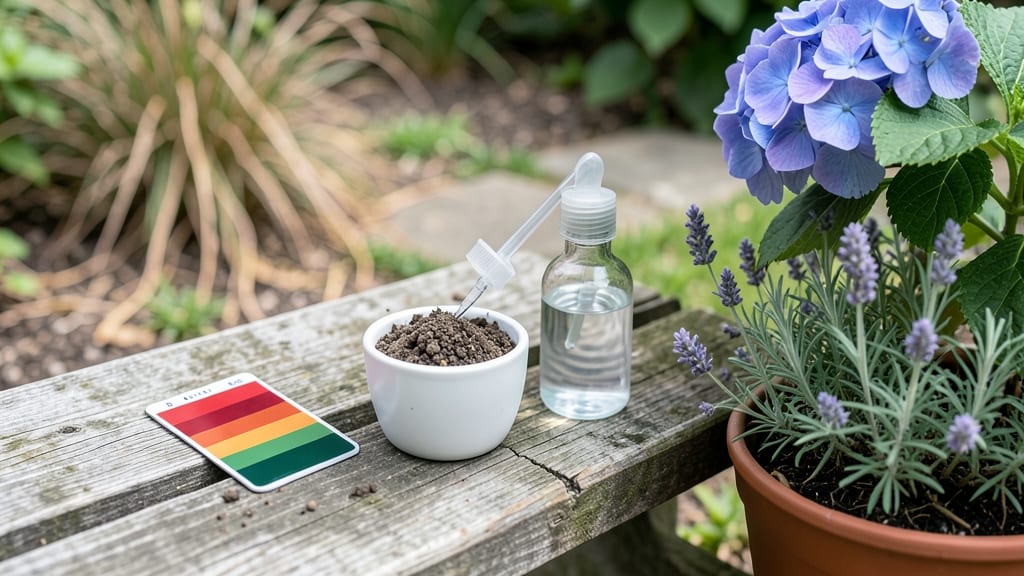
Clay soil is typically slightly acidic to neutral, with a pH range between 5.0 and 7.0, though its dense composition can accumulate alkaline minerals over time, potentially shifting the pH toward neutral or mildly alkaline based on local geology and organic matter.
Clay soil's pH isn't set in stone—it shifts based on what it absorbs. The dense particles trap minerals like calcium and magnesium, which can gradually raise pH levels, especially in regions with limestone bedrock. 🔥 Meanwhile, organic decomposition adds acidity over time, creating a delicate balance that gardeners must monitor.
Testing your soil every 1-2 years helps you adjust with amendments like sulfur or lime before plants show stress signs.
This variability explains why some gardeners swear by clay soil for certain crops while others struggle with it. The key lies in understanding your specific soil's history—whether it's naturally high in iron oxides (common in volcanic areas) or limestone deposits (typical in Midwest regions).
Knowing these factors lets you work with your soil rather than against it.
💡 In This Article
- How Clay Soil pH Varies by Region and Composition
- Best Plants for Acidic vs Alkaline Clay Soil
How clay soil pH varies by region and composition
Clay soil's pH balance is shaped primarily by its mineral composition and regional geology. The tiny particles in clay have a high surface area that readily absorbs and retains minerals like aluminum and iron oxides, which naturally contribute to acidity.
In volcanic regions, for example, soils often test between pH 5.0 and 6.0 due to high iron content from basaltic rocks breaking down. This creates an environment where acid-loving plants thrive, but alkaline amendments become essential for crops like lavender that prefer neutral conditions.
The dense structure of clay also affects pH through water retention. When clay holds moisture longer than sandy soils, it accelerates organic matter decomposition, releasing acidic compounds like humic and fulvic acids that lower pH over time.
However, in limestone-rich areas (common in the Midwest), clay soils often trend toward pH 6.5-7.5 because calcium carbonate from bedrock neutralizes acidity. The visual difference is striking: volcanic clay soils appear reddish-brown from iron oxides, while limestone-influenced clays take on grayish hues from calcium deposits.
Organic matter plays a surprising role in this balance. Fresh plant debris initially raises acidity as it breaks down, but as it matures into humus, the pH stabilizes around 6.0-6.5. This explains why well-aged clay soils in gardens often sit near neutral despite their dense composition.
The key takeaway? Clay soil's pH isn't static—it's a dynamic interplay between mineral parent material, water chemistry, and organic activity that gardeners can influence through amendments.
Consider these regional examples to understand the variability:
- Pacific Northwest: Volcanic clays (pH 5.0-6.0) ideal for rhododendrons
- Southeastern US: Limestone clays (pH 6.5-7.5) better suited for okra
- Midwest: Glacial till clays (pH 6.0-7.0) requiring careful testing
Water chemistry further complicates the picture. Rainwater naturally carries dissolved CO₂ that forms carbonic acid, slightly acidifying clay soils over time. However, in areas with hard water (high calcium/magnesium), clay soils may develop a protective alkaline crust on the surface while remaining acidic below.
This vertical pH gradient explains why surface-applied lime often fails to penetrate and adjust the root zone's true pH.
For gardeners working with clay, understanding this mineral-water-organism interaction is crucial. A soil test revealing pH 5.5 in one region might indicate healthy conditions for blueberries, while identical pH in another could signal stress for tomatoes due to different underlying mineral profiles.
The solution? Test both surface and subsoil samples to capture this vertical variability.