
Vegetables
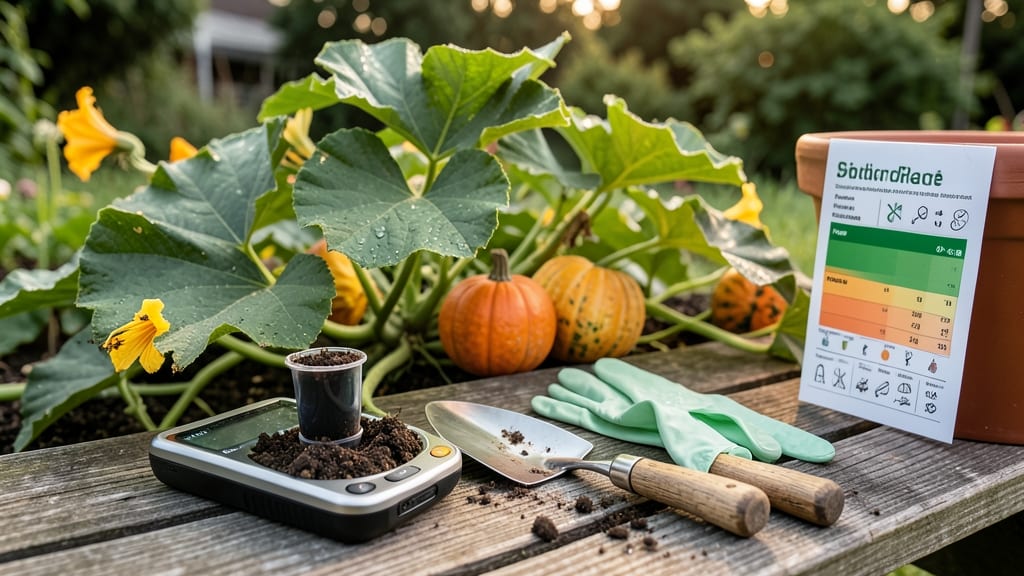
For pumpkin growth, conduct a soil test targeting a pH of 6.0-6.8, ensuring balanced nitrogen, phosphorus, and potassium (NPK)—especially potassium for fruit development. Check for micronutrients like magnesium and zinc, as deficiencies cause stunted growth or deformed fruit. Adjust soil based on test results before planting to maximize yields.
Pumpkins thrive in slightly acidic soil, and getting the pH right is your first step to success. 🌱 A soil test reveals whether your garden is too alkaline or acidic, which can block nutrient absorption.
For example, if your soil tests at 7.0 or higher, adding sulfur can lower the pH gradually. Meanwhile, potassium isn't just for fruit—it strengthens cell walls, helping pumpkins resist disease and pests.
Many growers overlook micronutrients, but even small deficiencies in zinc or magnesium can lead to yellowing leaves or poor flowering, directly impacting your harvest size and quality.
Beyond pH, the NPK ratio matters just as much. Too much nitrogen early in the season promotes leafy vines but delays fruit production. 💡 I recommend using a slow-release fertilizer to maintain steady nutrient levels throughout the growing season.
If your test shows low phosphorus, bone meal can give your pumpkins a quick boost for root and fruit development. Always amend soil at least two weeks before planting to let nutrients settle and avoid shocking the roots.
💡 In This Article
- Pumpkin Soil pH and Nutrient Science Explained
- Step-by-Step Guide to Testing and Amending Pumpkin Soil
Pumpkin soil pH and nutrient science explained
Pumpkins are sensitive to soil chemistry, and their growth hinges on a pH balance between 6.0 and 6.8. At this range, essential nutrients like nitrogen, phosphorus, and potassium (NPK) become most available.
When soil pH drifts too acidic (5.5 or lower), aluminum and manganese become toxic, stunting root growth.
Conversely, alkaline soil (> 7.0) locks out phosphorus and zinc, causing yellowing leaves and poor flowering. 🌱 Think of pH as the gatekeeper—it determines whether nutrients can enter the plant's system or get trapped outside.
Potassium plays a starring role in pumpkin development, especially for fruit formation. This nutrient helps regulate water balance and strengthens cell walls, making pumpkins more resistant to diseases like powdery mildew. A deficiency shows up as weak vines, small fruit, or even blossom-end rot.
Phosphorus, meanwhile, fuels root development and energy transfer within the plant. Without enough phosphorus, pumpkins may produce fewer vines or develop stunted, misshapen fruit. For example, I’ve seen pumpkin patches where phosphorus deficiency led to vines with tiny, deformed gourds—clearly, this nutrient is non-negotiable for quality harvests.
Micronutrients like magnesium and zinc often fly under the radar, but they’re critical for pumpkin health. Magnesium is the backbone of chlorophyll, so a deficiency causes yellowing between leaf veins (interveinal chlorosis). Zinc, on the other hand, influences enzyme activity—without it, pumpkins may struggle to form flowers or develop properly.
These deficiencies aren’t just cosmetic; they directly impact yield. For instance, a zinc-deficient pumpkin vine might produce fewer flowers, reducing the number of fruit that can develop. Testing for these micronutrients ensures your pumpkins get the full spectrum of nutrients they need to thrive.
Soil texture also affects nutrient availability. Sandy soil drains quickly, often requiring more frequent fertilization, while clay soil can bind nutrients tightly, making them less accessible. The ideal soil for pumpkins is loamy—well-draining yet moisture-retentive—with plenty of organic matter to buffer pH fluctuations.
If your soil is heavy clay, amending with compost or peat moss can improve structure and nutrient retention.
Conversely, sandy soil benefits from organic amendments like aged manure or coconut coir to hold onto nutrients longer. 💡 The goal is to create a soil environment where nutrients are readily available when pumpkin roots need them.
Seasonal changes also play a role in nutrient dynamics. Early in the growing season, pumpkins prioritize vine growth, which demands more nitrogen. Later, as fruit develops, phosphorus and potassium become more critical. A balanced fertilizer with an NPK ratio like 5-10-10 or 10-20-20 supports this transition.
Over-fertilizing with nitrogen too late in the season can lead to excessive foliage at the expense of fruit development, so timing is everything. Adjusting your approach based on the plant’s growth stage ensures nutrients are used efficiently.
One common mistake is assuming that "more fertilizer" equals better growth. In reality, excess nutrients—especially nitrogen—can harm pumpkins by promoting leafy growth while stunting fruit production. Always follow soil test recommendations precisely.
For example, if your test shows high phosphorus levels, adding more won’t help and could even harm the plant. Precision is key, whether you’re using organic amendments like composted manure or synthetic fertilizers. The right balance ensures your pumpkins grow strong, healthy, and productive from vine to harvest.
Finally, consider the long-term health of your soil. Pumpkins are heavy feeders, so they deplete nutrients quickly. After harvest, add compost or well-rotted manure to replenish organic matter and improve soil structure for next year’s crop.
This practice not only supports future pumpkin growth but also builds a thriving ecosystem of beneficial microbes and earthworms that enhance nutrient availability. Healthy soil today means healthier pumpkins tomorrow. ✨