Container Gardens
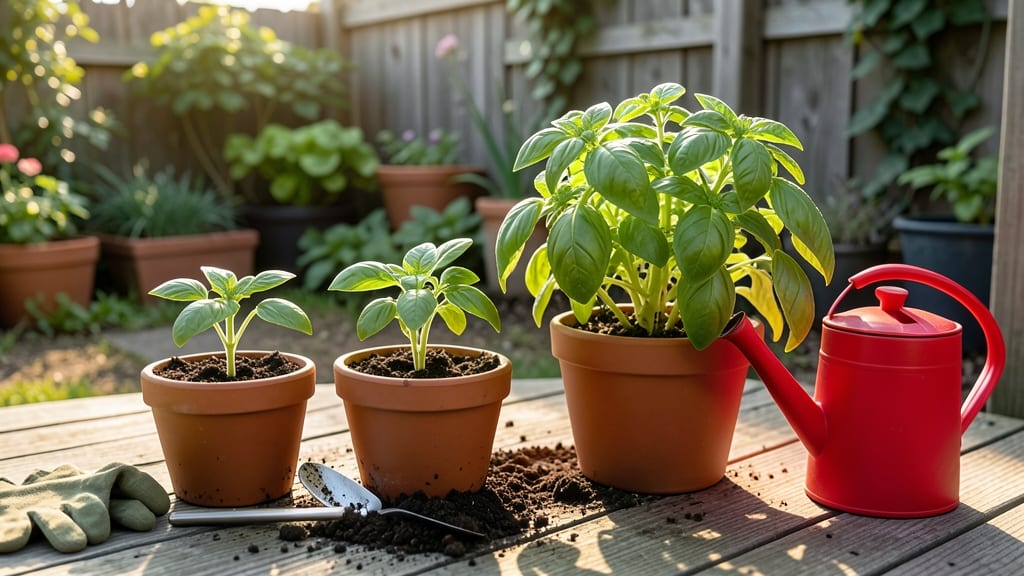
Using garden soil in containers requires mixing it with perlite, vermiculite, or compost to improve drainage and aeration, but avoid pure garden soil to prevent compaction and root rot. Test soil first for clay or sand content before repurposing it for potted plants.
Garden soil is heavy and dense, making it a poor choice for container gardening unless you modify it. 🌱 The problem? It compacts easily, trapping moisture and cutting off oxygen to roots.
For containers, I always blend garden soil with at least 30% perlite or coconut coir to create air pockets. This combo prevents waterlogging while retaining enough moisture for plant roots.
Testing your soil's texture first—squeeze a handful—helps you gauge how much sand or clay it contains, so you can adjust your mix accordingly.
For example, if your garden soil feels gritty (high sand content), adding more organic matter like compost will help retain moisture.
On the other hand, if it's sticky (high clay content), perlite or vermiculite will lighten the mix. 🌿 Different plants have different needs—succulents thrive in fast-draining mixes, while herbs like basil prefer slightly richer soil with better moisture retention.
Always start with a good-quality potting mix as your base and use garden soil as a supplement, never the main ingredient.
💡 In This Article
- Why Garden Soil Needs Amendments for Containers
- Best Soil Mixes for Container Gardening with Garden Soil
Why garden soil needs amendments for containers
Garden soil is designed for in-ground planting, where roots can spread freely and natural drainage occurs over time. In containers, however, the confined space creates a completely different environment. When you pack garden soil into pots, it compresses under its own weight, reducing pore space by up to 40%.
This compaction cuts off oxygen to roots, which suffocates plant life and promotes harmful bacteria. The root zone needs air as much as water—without it, even drought-resistant plants like rosemary struggle to thrive.
The issue goes beyond oxygen. Garden soil often contains high levels of clay or silt, which hold moisture like a sponge.
In containers, this leads to waterlogging, where roots sit in saturated conditions for days. Clay soil can retain 50% more water than sandy soil, creating the perfect breeding ground for root rot.
The science here is simple: water displaces air in soil pores, and when oxygen drops below 10% by volume, roots suffocate. 🌱 This is why garden soil alone fails in containers—it’s a recipe for stunted growth.
Another critical factor is nutrient leaching. Container plants grow faster than in-ground ones because of their controlled environment, but nutrients wash out quickly when water drains through unamended soil. Organic matter in garden soil breaks down rapidly, leaving plants hungry after just a few weeks.
For example, a 1-gallon container filled with pure garden soil may lose 30% of its nitrogen in the first month, while a well-amended mix retains nutrients for 6-8 weeks.
Amendments like perlite or coconut coir solve these problems by creating air pockets that improve drainage and aeration. Perlite, for instance, adds 80-90% air space to soil mixes, while coconut coir holds 3-4 times its weight in water—but releases it gradually.
This dual action prevents both drought and waterlogging. For heavy clay soils, blending in 20-30% perlite or vermiculite can reduce compaction by up to 50%**, while compost adds organic matter that feeds microbes, which in turn break down nutrients for plants.
Think of it like baking a cake: garden soil is the dense, heavy batter that won’t rise, while amendments are the leavening agents that create light, airy layers.
Without them, your "cake" collapses under its own weight. 💫 The right mix ensures roots get the oxygen, water, and nutrients they need to grow vigorously in confined spaces.
One common mistake is assuming all garden soil is the same. Test your soil first by squeezing a handful: if it forms a tight ball that doesn’t crumble, it’s too clay-heavy. If it falls apart like sand, it’s too coarse.
Adjust your amendments accordingly—clay soils need more perlite, while sandy soils benefit from compost or peat moss. This simple test saves time and prevents failed container gardens.