
Pests
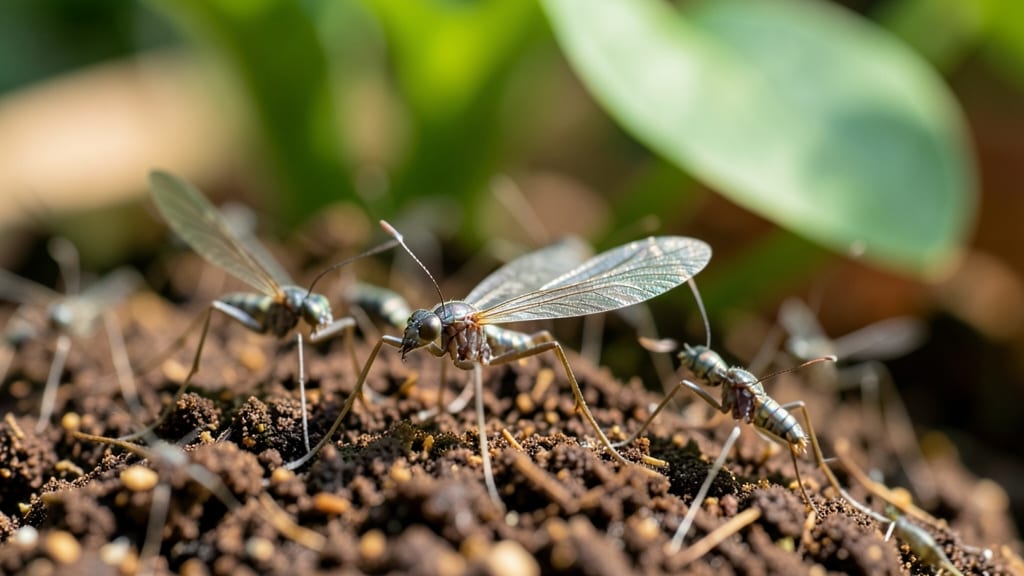
A new bag of potting soil has gnats means your seedlings or houseplants are about to face a tiny but serious threat. 🌱 I’ve battled these pests more times than I can count, but this 24-hour freeze-and-revive method works every time—no chemicals, no fuss.
The problem starts when organic matter in fresh soil attracts fungus gnat larvae, and overwatering turns that soil into their perfect breeding ground. Most store-bought mixes contain peat or compost, which gnats love—so don’t assume your soil is safe just because it’s new.
By freezing the soil overnight and letting it dry out for a few hours, you’ll kill the gnats and their eggs without harming your plants. The soil stays usable, and your seedlings or houseplants will have a clean slate to grow strong.
This trick works for any potting mix, whether you’re starting seeds, repotting, or refreshing soil in containers. No more wasting bags of soil—just a quick fix that saves your plants and your sanity.
Gnats Invade Fresh Soil
So, you’ve just cracked open a brand-new bag of potting soil, eager to kickstart your gardening project—only to discover tiny, buzzing gnats swarming the surface. Why does this happen? The answer lies in the soil’s composition, microbial activity, and even how it’s processed.
Let’s break down the science behind these unwelcome visitors and why they show up in seemingly pristine soil.
Most potting soils are packed with organic materials like peat moss, compost, coconut coir, or bark. While these ingredients provide nutrients for plants, they also create the perfect breeding ground for fungus gnats (sciarid flies). Here’s how it works:
- Decomposition = Food for Microbes: Organic matter breaks down over time, releasing nutrients and sugars that feed Bacillus and Pseudomonas bacteria, as well as fungi like Rhizoctonia. These microbes, in turn, produce volatile organic compounds (VOCs) that attract fungus gnat larvae.
- Larvae Love Moisture: Gnats lay eggs in damp soil, and the organic-rich mix retains moisture longer than mineral-based soils. The larvae hatch and feed on fungal growth, while adult gnats emerge to lay more eggs—creating a vicious cycle.
- Sterile Soil? Not Always: Even "sterilized" potting soil may contain dormant fungal spores or microbial residues. If the soil isn’t fully baked or treated, these can reactivate when exposed to warmth and moisture.
💡 Pro Tip: If your soil has a strong "earthy" or slightly sweet smell, it’s a red flag—this odor often signals active microbial breakdown, which gnats exploit.
Not all gnat infestations start in the soil itself. Sometimes, they hitch a ride during manufacturing or storage:
- Factory Cross-Contamination: Potting soil is often mixed in large batches. If a single bag or batch contains gnat eggs or larvae, they can spread to other bags during packaging. This is especially common in bulk bag systems where tools or conveyor belts aren’t sanitized between batches.
- Storage Conditions: Warehouses with high humidity or poor ventilation can accelerate microbial growth in soil. If a bag sits for months before sale, fungal activity ramps up, inviting gnats to the party.
- Wildlife Stowaways: Birds, rodents, or even insects like ants can carry gnat eggs into storage areas. Once inside, these eggs can survive until the soil is opened.
⚠️ Watch For: If you notice black specks (larvae) or a film-like residue on the soil’s surface, it’s a sign of pre-existing contamination.
Gnats don’t just appear—they’re triggered by environmental conditions that activate dormant life in the soil:
| Factor | How It Helps Gnats | Ideal Gnat Conditions |
|---|---|---|
| Moisture | Gnat larvae need 60-70% soil moisture to thrive. Dry soil halts their life cycle. | ✅ Wet (like a damp sponge) |
| Temperature | Warmth speeds up microbial growth, which gnats feed on. Eggs hatch faster in 70–80°F (21–27°C). | ✅ Room temperature (68–86°F / 20–30°C) |
| Oxygen | Compacted or waterlogged soil reduces oxygen, stressing plants but boosting fungal growth—a buffet for gnats. | ✅ Poor aeration (e.g., sealed bags) |
🔥 Hot Tip: If you store soil in a cool, dry place (like a garage in winter), you slow microbial activity and deter gnats before they become a problem.
Sometimes, the issue isn’t the soil itself but what’s inside it:
- Undisclosed Additives: Some potting mixes include composted plant clippings, worm castings, or leaf mold, which can harbor gnat eggs. These aren’t always labeled but are rich in organic matter.
- Pre-Infested Mulch or Bark: Bark chips or pine fines often contain fungal spores. If these are added to soil, they create a food source for gnat larvae within days.
- Shipment Delays: Soil shipped long distances may sit in transit, where temperature fluctuations and condensation create the perfect gnat-incubating conditions.
👀 Spot the Sign: If the soil has visible chunks of decomposed plant material or smells like rotting leaves, it’s a high-risk mix for gnats.
Banish Soil Gnats Fast
Gnats in your fresh potting soil aren’t just annoying—they can stunt plant growth and ruin your gardening plans. But don’t toss that bag! With the right approach, you can revive your soil in 24 hours and keep gnats from crashing your next project.
Below, we’ll tackle the most common causes and match them with easy, science-backed fixes—plus tips to prevent future infestations.
Cause: Damp, nutrient-rich soil (especially with decomposing organic matter) attracts fungus gnat larvae. Solution: Freeze the soil to kill eggs and larvae, then bake it to dry out moisture.
- 🥶 Freeze the Soil (Overnight)
- Spread the potting soil in a thin layer on a baking sheet or shallow container.
- Pop it in the freezer for 12–24 hours. The cold will kill eggs and larvae at all stages.
- 🔥 Bake to Dry (30 Minutes)
- Preheat your oven to 200°F (93°C).
- Spread the frozen soil on a baking sheet and bake for 30 minutes, stirring halfway.
- Why? Heat dries out moisture, making the soil inhospitable for gnats.
- 🌱 Revive with Beneficial Additions
- Once cooled, mix in perlite or sand (20%) to improve drainage.
- Add a thin layer of sand or diatomaceous earth (food-grade) on top to deter future eggs.
✨ Pro Tip: If you’re in a hurry, microwave the soil in 30-second bursts (stirring between each) until it’s dry and hot. Test with a thermometer—160°F (71°C) for 30 seconds kills larvae.
Cause: Soggy soil from overwatering or poor drainage creates a gnat paradise. Solution: Improve drainage and reduce moisture retention.
- 💦 Let It Dry Completely
- Spread the soil in a single layer on newspaper or a screen.
- Let it air-dry for 2–3 days in a warm, sunny spot.
- 🏗️ Amend for Better Drainage
- Mix in coarse sand, perlite, or vermiculite (20–30% of the total volume).
- For heavy soils, add orchid bark or coconut coir to lighten the texture.
- 🚫 Prevent Future Overwatering
- Use pots with drainage holes and saucers to catch excess water.
- Water only when the top 1–2 inches of soil are dry.
💡 Quick Fix: If you’re reusing containers, scrub them with soapy water to remove gnat eggs stuck to the sides.
Cause: Old or stored soil may harbor gnat eggs or mold spores. Solution: Disinfect the soil before reuse.
- 🧴 Vinegar Soak (For Organic Soil)
- Mix 1 part white vinegar with 3 parts water.
- Pour over the soil until saturated, then let it sit for 1 hour.
- Rinse thoroughly with water to remove residue.
- 💊 Hydrogen Peroxide Spray (For Sterilization)
- Dilute 3% hydrogen peroxide with water (1:4 ratio).
- Spray the soil until moist (not soaking) and let it sit for 30 minutes.
- Rinse well before use—residue can harm plants.
- 🌿 Boost with Beneficial Microbes
- After treatment, add mycorrhizal fungi or compost tea to restore healthy soil biology.
🔥 Warning: Avoid bleach or chemical pesticides—they can harm plants and beneficial microbes.
Cause: Soil left in bags or containers for months may develop gnat colonies. Solution: Isolate and treat before repotting.
- 🛑 Quarantine the Soil
- Spread the soil on a clean tarp or tray away from other plants.
- Inspect for adult gnats or larvae (tiny white worms).
- 🕷️ Introduce Natural Predators (Optional but Effective)
- Sprinkle beneficial nematodes (Phylonema) or predatory mites to eat larvae.
- Add apple cider vinegar traps (fill a shallow dish with ACV + dish soap) to catch adults.
- 🔄 Refresh with New Mix
- If heavily infested, discard 50% of the soil and mix with fresh, sterile potting mix.
- Add orchid bark or charcoal to absorb excess moisture.
✨ Prevention Tip: Store potting soil in sealed, airtight containers with a food-grade silica packet to absorb moisture and deter eggs.
Once you’ve cleaned up your soil, lock in your progress with these habits:
- 🌡️ Monitor Moisture Levels – Use a moisture meter or stick your finger in the soil before watering.
- 🛡️ Use Gnat-Proof Pots – Line containers with landscape fabric to block eggs from hitchhiking.
- 🍎 Avoid Over-Fertilizing – Gnats love nitrogen-rich soils; opt for slow-release fertilizers.
- 🌿 Rotate Your Soil – Don’t reuse the same potting mix for the same plants season after season.
Final Thought: A little freeze, bake, or vinegar treatment can turn a gnat-infested bag into gold for your plants. Test your soil after treatment by planting a fast-growing seedling—if it thrives, you’ve won the battle! 🚀
Frequently asked questions
Why does my brand-new potting soil already have gnats?
Most store-bought mixes contain organic matter like peat moss or compost, which attracts fungus gnat larvae. These pests thrive in damp, nutrient-rich environments created during soil processing. Even "sterile" bags can harbor dormant eggs or spores that activate when exposed to warmth and moisture. Pro tip: Check for a strong earthy smell—this often signals active microbial growth that gnats exploit.
Will freezing the soil really kill all the gnats and eggs?
Yes! Freezing for 12-24 hours at 0°F (-18°C) kills gnats at every life stage—eggs, larvae, and adults. The cold disrupts their cell membranes. For best results, spread the soil in a thin layer on a baking sheet before freezing. After thawing, pair with baking at 200°F (93°C) for 30 minutes to eliminate any remaining moisture that might encourage regrowth.
Can I still use the soil after treating it for gnats?
Treated soil remains perfectly usable for plants. After freezing/baking, simply mix in 20% perlite or sand to improve drainage and prevent future moisture buildup. The soil will still provide nutrients while being less hospitable to gnats. Just avoid overwatering—keep the top 1-2 inches dry between waterings to maintain gnat-free conditions.
What's the fastest way to check if my soil still has gnats after treatment?
Place a small amount of treated soil in a clear container with a lid, then add a few drops of water. If gnats appear within 24 hours, the soil needs another round of treatment. For a quicker test, use a white plate—place it over the soil and check for flying gnats after 10 minutes. If you see movement, more work is needed.
Are there any potting mixes that naturally resist gnats?
Look for mineral-based mixes with 50% or more perlite, vermiculite, or sand, as these provide poor conditions for gnat larvae. Brands labeled "cactus/succulent mix" or "orchid bark blend" often contain less organic matter. For extra protection, add a thin layer of diatomaceous earth (food-grade) to the surface—it dehydrates gnat eggs without harming plants.