
Plants
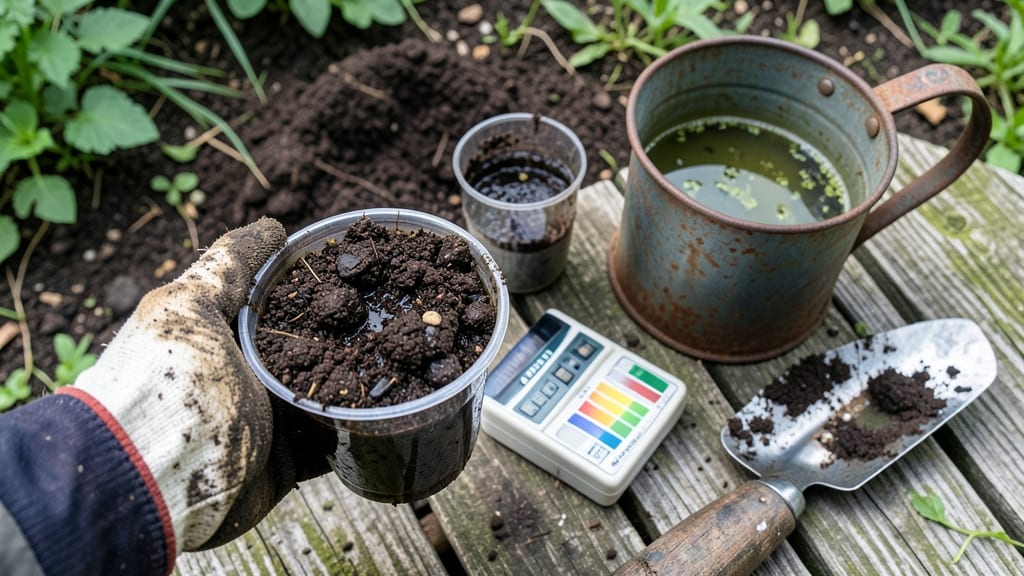
That rotten-egg stench from your soil—the smell like sewage—isn’t normal, and it’s screaming for your attention. 🌱 The odor means your soil is starved for oxygen, drowning in water or rotting organic matter, and it's a fast fix if you catch it early.
The good news? This isn’t a death sentence for your garden. Most cases clear up within 2-3 weeks with the right adjustments. You'll need basic tools (a fork, hose, and maybe some compost), but no fancy equipment.
The key is breaking up compacted soil, improving drainage, and balancing moisture—no mystery ingredients required. Once you address the root cause, your plants will bounce back with stronger roots and better growth. The soil will smell fresh, not foul, and your vegetables or flowers will thrive like they should.
This isn't about masking the odor—it's about fixing what's wrong underneath. Prevention is simple: water less frequently, add organic matter to improve structure, and avoid over-fertilizing. Healthy soil shouldn’t smell like a sewer—it should smell like earth after a spring rain. Let's get your garden back on track.
📚 In This Guide
- What you need
- Instructions
- Tips and common mistakes
- Wrapping up and next steps
What you need
- ● Garden gloves (1 pair) – Protect your hands from bacteria and soil contact.
- ● Garden fork or trowel – For turning and aerating soil (1 medium-sized tool).
- ● Watering can or hose – To moisten soil before and after treatment.
- ● Compost or well-aged manure (5–10 gallons) – Boosts beneficial microbes and improves drainage.
- ● Lime (pelletized or powdered) (2–3 lbs) – Balances pH if soil is too acidic.
- ● Peroxide (3% hydrogen peroxide) (1–2 cups) – Kills harmful bacteria and fungi.
- ○ Baking soda (½ cup) – Optional but helps neutralize odors.
- ● Activated charcoal (½ cup) – Absorbs odors and toxins.
- ● Biochar or coconut coir – Improves soil structure and microbial activity.
- ● pH test kit – Ensures your soil’s pH is in the ideal range (6.0–7.0).
- ● Mulch (straw, wood chips, or leaves) – Prevents future odor buildup.
Quick fixes for soil smelling like sewage
Here's how to restore balance and save your plants in just a few simple steps.
🌱 Step 1: Identify the Source of the Odor
First, check the soil moisture level by pressing your finger 1-2 inches deep. If it feels soggy or has standing water, you're dealing with anaerobic conditions where bacteria thrive without oxygen. This creates that foul, sewage-like smell. Grab a handful of soil and smell it—if it's strong and rotten, you're not just dealing with dampness but active decomposition.
Look for other clues like yellowing leaves, stunted growth, or mushrooms sprouting on the surface. These are all signs of overwatering or poor drainage. If your plants are thriving but the soil still smells bad, the issue might be old organic matter breaking down too quickly. Either way, you'll need to address it before it damages roots.
💧 Step 2: Adjust Watering Practices Immediately
Stop watering until the top 3-4 inches of soil feel dry to the touch. Use a moisture meter or stick your finger in—if it's damp below that depth, wait another day. Overwatering is the #1 cause of that sewage smell, so let the soil dry out completely before watering again. This gives oxygen back to the roots and stops the anaerobic bacteria from multiplying.
When you do water, do it deeply but infrequently. Aim for 1-1.5 inches of water per week, delivered all at once rather than frequent light sprinkles. This encourages roots to grow deeper and prevents surface-level rot. If your pots or garden bed lack drainage holes, consider adding 1-2 inches of coarse sand or perlite to the bottom of containers before replanting.
☀️ Step 3: Improve Soil Aeration and Drainage
Loosen compacted soil with a garden fork or tiller, working 4-6 inches deep to break up dense layers. This creates air pockets that help oxygen reach the roots. For container gardens, mix 1 part perlite or vermiculite into your existing potting soil to improve drainage. If you're working in garden beds, spread a 1-inch layer of compost over the surface and lightly scratch it into the top inch of soil.
For severe cases, consider replacing the top 2-3 inches of soil with fresh, well-draining mix. This removes the worst of the anaerobic bacteria and gives your plants a clean start. If you're growing in containers, repotting into fresh soil is often the fastest solution. Just be sure to choose a mix labeled "well-draining" or designed for your specific plants.
✂️ Step 4: Add Beneficial Microbes and Organic Matter
Sprinkle 1/4 cup of compost or well-aged manure over the soil surface and gently work it into the top inch. This introduces beneficial microbes that outcompete the odor-causing bacteria. For an extra boost, mix in 1 tablespoon of kelp meal or worm castings per square foot—these add enzymes that break down organic matter more efficiently and improve root health.
If the smell persists, consider adding 1/2 cup of wood ash (for acidic soils) or 1/4 cup of lime (for alkaline soils) per 4 square feet. These raise the soil pH slightly, which can help neutralize the sulfur compounds causing the odor. Water the soil thoroughly after amending to help the microbes get established and the amendments integrate evenly.
🪴 Step 5: Monitor and Prevent Future Issues
Keep a watering journal to track how often you water and how much. Aim for a schedule where the soil dries out between waterings—this is the key to preventing that sewage smell from returning. Use a rain gauge or tuna can to measure rainfall and adjust your watering accordingly. Too much water, even from rain, can trigger the same anaerobic conditions.
Regularly check your soil's texture and drainage. If it feels gummy when wet or stays clumpy when dry, it's time to add more organic matter. Mulch with 2-3 inches of straw or wood chips to help regulate moisture and temperature. This keeps the soil surface from drying out too quickly while preventing water from pooling around the base of plants.
Tips & tricks for healthy soil without sewage odors
Here's what I've learned from fixing this problem in my own garden—simple tricks that work fast and keep your plants thriving.
Moisture Test Precision: When checking soil moisture in Step 1, press your finger 1-2 inches deep—this is where most roots absorb water. If it feels like a damp sponge, that's your anaerobic red flag. For container gardens, use a chopstick instead of your finger to avoid compacting the soil further. The key is consistency: always test at the same depth to get accurate readings.
Drainage Upgrade: If Step 2 mentions adding sand or perlite, here's the pro move: use coarse horticultural sand instead of regular sand—it won't compact over time. For garden beds, create shallow trenches around plant bases to direct excess water away. I've seen cases where adding just 1 inch of gravel beneath the soil surface in containers completely eliminated the smell within weeks.
Compost Application Strategy: In Step 4, when adding 1/4 cup of compost, work it into the top inch rather than just sprinkling on top. This creates a microbial-rich zone right where your plants need it most. For heavily compacted soil, mix in 1 part compost to 3 parts existing soil—this ratio prevents overfeeding while still improving structure. The smell should diminish within 3-5 days as beneficial microbes take over.
pH Testing Tip: Before adding wood ash or lime in Step 4, grab a soil pH test kit (they're cheap!). If your soil is already neutral (pH 7), neither amendment is needed—the smell is likely from overwatering, not pH imbalance. I've wasted 1/2 cup of lime on neutral soil before realizing the problem was drainage, not acidity.
Pro Tips for Soil Smells Like Sewage
- Here's what I've learned from fixing this problem in my own garden—simple tricks that work fast and keep your plants thriving.
- Moisture Test Precision: When checking soil moisture in Step 1, press your finger 1-2 inches deep—this is where most roots absorb water.
- Drainage Upgrade: If Step 2 mentions adding sand or perlite, here's the pro move: use coarse horticultural sand instead of regular sand—it won't compact over time.
Frequently asked questions
Got questions about that unpleasant sewage-like stench from your soil? You’re not alone! Here are answers to the most common concerns—so you can get your garden back to smelling fresh and your plants thriving.
Why does my soil smell like sewage all of a sudden?
A sewage-like odor usually means anaerobic conditions—when soil lacks oxygen, harmful bacteria (like E. coli or sulfur-reducing microbes) take over, producing rotten egg or raw sewage smells. Overwatering, poor drainage, or compacted soil are the top culprits.
Is it safe to garden if my soil smells like sewage?
While the smell is gross, it’s rarely toxic to humans unless you’re inhaling large amounts (like in a confined space). However, don’t use this soil for edibles until you’ve fixed the issue—harmful pathogens could contaminate your veggies. Always wash produce thoroughly!
How long does it take to fix sewage-smelling soil?
Quick fixes (like adding perlite or improving drainage) may resolve the issue in 1–2 weeks, but severe cases (e.g., waterlogged soil) can take 4–6 weeks to fully recover. Monitor moisture levels and aerate regularly for the best results.
Can I still grow plants in soil that smells like sewage?
Yes, but only after treating it! Start with fast-draining plants (like succulents or herbs) while you restore the soil. Avoid root crops (carrots, potatoes) or leafy greens until you’re sure the soil is pathogen-free. Test pH and nutrient levels to ensure a safe growing environment.
What’s the fastest way to stop the sewage smell?
Try this 3-step fix:
- Drain it: Water less and amend with coarse sand or perlite to improve airflow.
- Aerate: Use a garden fork to poke holes in compacted soil.
- Feed it: Add compost or aged manure to reintroduce beneficial microbes.
Should I replace my soil if it smells like sewage?
Only if the smell persists after 2–3 months of treatment or if you suspect heavy contamination (e.g., nearby septic leaks). Otherwise, revitalize it—most soils can bounce back with the right care! →
Wrapping up and next steps
A foul-smelling soil isn’t just unpleasant—it’s a red flag for your plants’ health! 🌱 By identifying the root cause (literally!) and applying the right fixes—whether it’s improving drainage, adjusting pH, or boosting organic matter—you’ll restore balance and keep your garden thriving. Don’t let a stinky soil scare you: take action today, and your plants will thank you with lush, vibrant growth!
Ready to transform your soil? Start with a simple test: grab a handful of damp soil and sniff—if it still smells off, revisit the fixes and monitor progress weekly. Happy gardening! 🌿