
How To
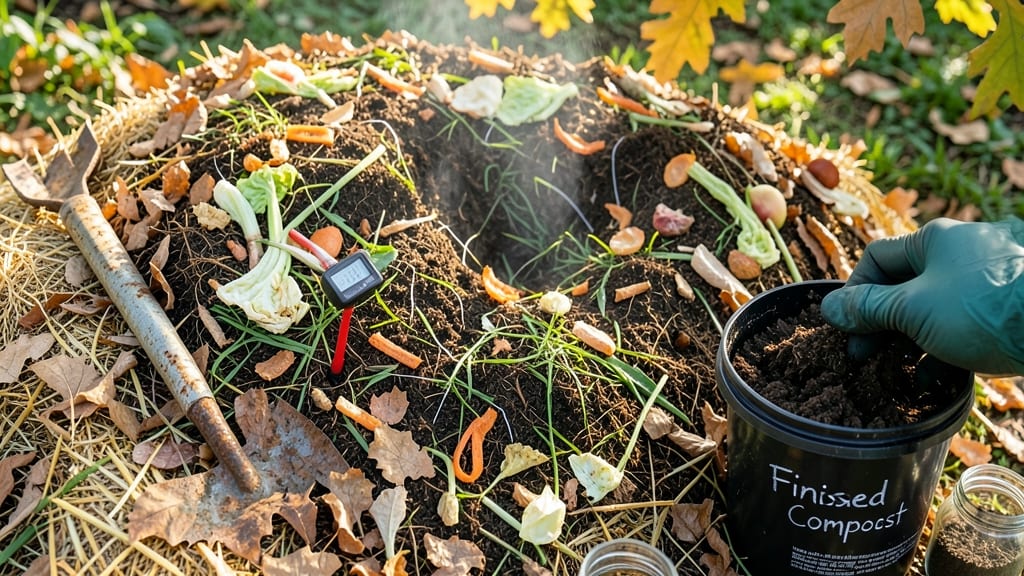
Your acid-loving plants—like azaleas, blueberries, and hydrangeas—could be starving for organic matter for soil improvement, even if you've been fertilizing. 🌱 The secret isn't just the fertilizer; it's the living, breathing foundation that holds moisture, feeds microbes, and keeps roots happy.
After years of struggling with yellowing leaves and stunted growth, I learned the real magic happens when you feed the soil, not just the plant. The best organic matter for acid-loving plants includes compost (for balanced nutrition), pine needles (to lower pH naturally), and worm castings (for gentle, slow-release goodness).
Avoid fresh manure—it can burn roots and throw off the pH balance. Instead, use well-aged compost or leaf mold, which break down slowly and improve soil structure without shocking your plants. You’ll see the difference in 3-4 weeks: deeper green leaves, stronger stems, and flowers that last longer.
The soil will stay moist longer, weeds will struggle to take hold, and your plants will finally thrive without constant fussing. This isn’t just about adding dirt—it’s about creating a thriving ecosystem where your acid-lovers can flourish.
For DIY solutions, try sheet mulching with cardboard and compost in the fall, or grow a green manure crop like clover to fix nitrogen naturally. Even a top-dressing of compost every spring works wonders. The key is consistency—soil health builds over time, not overnight.
📚 In This Guide
- What you need
- Instructions
- Tips and common mistakes
- Wrapping up and next steps
What you need
- ● Compost: 2–3 inches (5–7.5 cm) spread evenly over garden beds or mixed into top 6 inches (15 cm) of soil.
- ● Leaf Mold: 1–2 gallons (3.8–7.6 liters) per 10 sq ft (1 m²) for moisture retention.
- ● Well-Rotted Manure (e.g., cow, horse, or chicken): 1–2 cups (0.25–0.5 kg) per sq ft (0.09 m²), aged 6+ months.
- ● Worm Castings: 1–2 lbs (0.5–1 kg) per 10 sq ft (1 m²) for nutrient density.
- ● Peat Moss or Coco Coir: 1–2 bags (2–4 cubic feet) for acid-loving plants like blueberries or azaleas.
- ● Wood Chips or Mulch: 3–4 inches (7.5–10 cm) layer to suppress weeds and retain moisture.
- ● Garden Fork or Spade: For mixing organic matter into soil (18–24 inches long).
- ● Garden Gloves: Heavy-duty to protect hands from rough materials.
- ● Wheelbarrow or Bucket: 3–5 gallon capacity for transporting materials.
- ○ pH Test Kit (optional but helpful): To monitor soil acidity (target: 4.5–6.0 for acid-lovers).
- ● Watering Can or Hose: For hydrating soil after amendments.
- ● Test soil pH before adding amendments (if unsure, use a DIY kit or lab test).
- ● Choose a dry, overcast day to work—wet soil compacts easily!
- ● Clear debris (rocks, weeds) from the work area for even distribution.
How to amend soil for acid-loving plants using organic matter
Here's how I transform heavy clay or depleted soil into a thriving acid-loving garden bed—no shortcuts, just science-backed organic matter integration.
🌱 Step 1: Test Your Soil's Current pH and Organic Content
Before adding anything, grab a soil test kit to measure your current pH and organic matter percentage. Acid-loving plants like azaleas, blueberries, and rhododendrons thrive between 4.5-5.5 pH. If your test shows below 4.0, you'll need sulfur or peat moss to raise acidity later—organic matter alone won't shift pH drastically. Dig a small hole 6 inches deep and examine the soil: if it's compacted, sandy, or lacks crumbly texture, it needs structural improvement first.
I always take three samples from different spots in the garden—soil varies wildly even in small areas. Mix these samples together for a representative reading. If your organic matter is below 5% by volume, you're starting from scratch. That's where compost, leaf mold, or well-rotted manure becomes your foundation.
🪴 Step 2: Choose and Mix Organic Amendments for Structure and Nutrition
For acid-loving plants, blend 50% composted pine bark fines (lowers pH slightly) with 30% peat moss (holds moisture and acidifies) and 20% worm castings (adds microbes and nutrients). Avoid fresh wood chips—they rob nitrogen as they decompose. Spread a 2-inch layer of this mix over the planting area and gently fork it into the top 6 inches of soil.
If your soil is particularly dense, add 1 part perlite or coarse sand to every 3 parts compost to improve drainage without raising pH. I like to work this in during late summer or early fall, giving the organic matter time to break down before planting. Water the amended area thoroughly after mixing—this helps settle the materials and kickstarts microbial activity.
☀️ Step 3: Incorporate Slow-Release Acidifiers and Mulch
For a lasting acid boost, sprinkle 1 pound of elemental sulfur per 100 square feet over the amended soil and lightly fork it in. This won't change pH overnight but will acidify gradually over months. Cover the entire area with 3-4 inches of pine needles or shredded pine bark mulch—this dual-purpose material continues to lower pH as it decomposes while suppressing weeds.
I always refresh this mulch layer annually in early spring, adding a fresh 1-inch top layer. The key is consistency—organic matter and mulch work best when they're continuously replenished. Avoid using hardwood mulches like oak or maple; they raise pH over time and can stress acid-loving plants.
💧 Step 4: Monitor and Maintain Soil pH Long-Term
After planting, test soil pH again in 3-4 months—this gives the amendments time to take effect. If pH hasn't dropped enough, add more sulfur or peat moss and re-mulch. Overwatering can leach organic acids, so I water deeply 2-3 times per week during dry spells but avoid letting soil stay soggy. Acid-loving plants show stress through yellowing leaves (chlorosis) or stunted growth—these are your cues to retest and adjust.
I also top-dress plants annually with 1 inch of composted leaf mold in early spring. This adds slow-release nutrients while maintaining acidity. The goal is to create a self-sustaining system where organic matter continuously feeds the soil and keeps pH in the ideal range with minimal intervention.
Tips & tricks for perfect soil amendments
Transforming your soil isn't just about throwing in compost—it's about creating a thriving ecosystem. Here's how I've refined my approach after years of trial and error.
Soil Testing Precision: When testing your soil's organic matter in Step 1, don't just eyeball it. Use a soil test kit that measures both pH and organic matter percentage—this gives you hard data to work with. I've seen gardeners add compost to soil that was already at 8% organic matter, thinking it needed more, when in fact they were creating a nitrogen-starved environment. Aim for that 5% minimum as your baseline, but don't exceed 10% total in the first amendment cycle.
Layering Strategy: In Step 2, think of your soil like a lasagna—each layer serves a purpose. Start with your existing soil as the foundation, then add your 2-inch layer of mixed amendments. The key is to work this into the top 6 inches where plant roots actively grow. I use a broadfork to loosen the soil without bringing up weeds from deeper layers. For particularly dense clay soils, I'll work in an extra 1 part perlite to every 3 parts compost—this improves aeration without significantly altering the acidity.
Timing is Everything: The instructions mention working this in during late summer or early fall, and I couldn't agree more. This timing gives the organic matter 3-4 months to break down before planting season. I've made the mistake of amending in spring only to have the materials still breaking down when my plants needed nutrients. The microbial activity that decomposes your amendments also generates heat—this can actually cook young roots if you plant too soon after amending.
Mulch Maintenance: That 3-4 inch mulch layer in Step 3 isn't just for looks—it's your long-term acidification system. I refresh it annually in spring because decomposition reduces its thickness over time. For container gardens, I'll even mix a 1-inch layer of composted pine bark fines into the top of the soil before adding fresh mulch. This gives me an extra acid boost without disturbing the plant roots.
Pro Tips for Organic Matter For Soil Improvement
- Transforming your soil isn't just about throwing in compost—it's about creating a thriving ecosystem.
- Soil Testing Precision: When testing your soil's organic matter in Step 1, don't just eyeball it.
- Layering Strategy: In Step 2, think of your soil like a lasagna—each layer serves a purpose.
Frequently asked questions
Got questions about boosting your soil with organic matter?
You’re not alone! Here are answers to the most common queries—so you can grow lush, thriving acid-loving plants with confidence.
What’s the fastest way to improve soil with organic matter?
For quick results, mix in composted manure or well-rotted leaf mold (6–12 months to break down). For faster nutrient release, try worm castings or fish emulsion, which work in weeks. Just avoid fresh materials—they can rob soil of nitrogen!
How often should I add organic matter to my soil?
Add organic matter once or twice a year (spring and fall are ideal). For heavy clay or sandy soils, top-dress annually. Lightly work it into the top 6 inches or let it decompose naturally on the surface. Pro tip: Mulch with pine needles or oak leaves to feed soil slowly!
Can I use kitchen scraps, or are they too risky?
Yes! Non-meat scraps (fruit peels, coffee grounds, eggshells) are great, but avoid dairy, meat, or oily foods to prevent pests. Bury them in a compost bin or trench them into the soil. For acid-loving plants, citrus peels add potassium—just balance with nitrogen-rich greens!
What if my soil still looks poor after adding organic matter?
Check for these fixes:
- pH imbalance: Test your soil (acid-lovers thrive at pH 4.5–6.0). Add sulfur to lower pH or lime to raise it.
- Compaction: Loosen soil with a fork or add peat moss (for acidity) or perlite (for drainage).
- Slow decomposition: Mix in compost starter or till in worms to speed it up.
Are there organic matter alternatives if compost isn’t available?
Try these:
Material Best For Pine bark fines Acid-loving plants + aeration Coconut coir Moisture retention (great for azaleas) Wood ash (sparingly!) Raising pH slightly (use <1 cup/100 sq ft) Seaweed or kelp meal Trace minerals + microbial boost
Wrapping up and next steps
Incorporating organic matter for soil improvement is your secret weapon for nurturing acid-loving plants—boosting fertility, drainage, and resilience in just a few steps! 🌱 Whether you’re using compost, leaf mold, or pine needles, these natural amendments create the perfect acidic haven for thriving gardens. Your next step? Start small with a test patch, monitor your plants’ progress, and gradually expand—your green thumbs will thank you!
Pro tip: Keep a soil journal to track pH levels and adjustments—knowledge is your best tool for long-term success! 📝✨