
Propagation
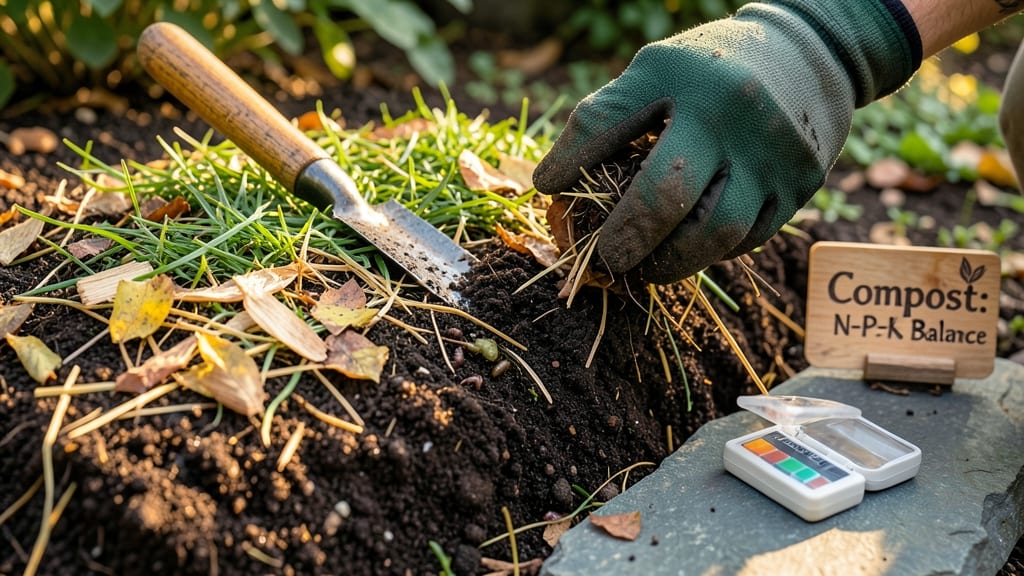
Organic matter in soil comes from decomposed plant materials like leaves, grass clippings, and wood, along with animal sources such as composted manure, worm castings, and dead microorganisms. This natural breakdown creates humus, which improves soil structure, water retention, and nutrient availability.
This decomposed material isn't just random debris—it's the foundation of healthy soil ecosystems. 🌱 Microbes and fungi break down these materials into humus, a dark, spongy substance that holds water and nutrients while improving soil aeration.
Think of it as nature's way of recycling nutrients back into the soil for plants to use. The process takes time but pays off with richer, more fertile growing conditions that support stronger root systems and better plant health.
What's fascinating is how different materials contribute differently. Plant-based sources like leaves and wood chips add bulk and structure, while animal-based sources like worm castings provide concentrated nutrients. The balance between these creates the ideal growing medium—one that retains moisture in dry conditions and drains well in wet ones.
For gardeners, this means healthier plants with fewer problems and higher yields.
💡 In This Article
- Key Sources of Soil Organic Matter and Their Breakdown Process
- How to Boost Soil Organic Matter for Better Gardening
Key sources of soil organic matter and their breakdown process
Soil organic matter begins its transformation through a complex dance of microorganisms and environmental conditions. When plant materials like fallen leaves, grass clippings, or wood chips hit the soil, they're immediately colonized by bacteria and fungi.
These tiny decomposers use enzymes to break down complex carbohydrates and lignin into simpler compounds. The process accelerates when conditions are ideal: temperatures between 50-90°F, consistent moisture, and adequate oxygen for aerobic decomposition.
Earthworms play a crucial supporting role by physically fragmenting organic material as they ingest it, creating more surface area for microbial action.
The breakdown process isn't linear—it happens in stages. First, easily decomposable materials like fresh grass clippings break down quickly (within weeks), while more resistant materials like pine needles or wood chips may take months or years.
Fungi excel at decomposing tough cellulose and lignin, while bacteria handle simpler sugars and proteins. This microbial activity generates heat (up to 140°F in compost piles) and produces intermediate compounds that eventually stabilize into humus—a dark, crumbly substance that can persist for centuries.
The texture of humus is what gives soil its characteristic "earthy" feel when you squeeze a handful.
Animal-derived organic matter follows a slightly different path. Composted manure and worm castings contain concentrated nutrients that decompose more rapidly than plant materials, often within 2-4 weeks under optimal conditions. These materials contribute nitrogen, phosphorus, and potassium directly to the soil, while also feeding the microbial community.
The key difference is that animal matter tends to break down faster but also releases nutrients more quickly—sometimes too quickly, which is why it's often recommended to compost animal manures for 3-6 months before using in gardens to prevent nutrient loss.
Environmental factors create significant variations in decomposition rates. In wet climates, organic matter breaks down faster due to higher microbial activity, while dry conditions slow the process dramatically. Aeration is equally critical—anaerobic conditions (like waterlogged soil) produce methane and slow decomposition.
This is why gardeners often turn compost piles or mix in coarse materials like straw to maintain proper aeration. The smell gives you clues: a sweet, earthy aroma indicates healthy decomposition, while a sour or rotten smell suggests anaerobic conditions.
What most gardeners don't realize is that the decomposition process creates more than just humus—it also produces beneficial byproducts. Mycorrhizal fungi form symbiotic relationships with plant roots, while certain bacteria fix atmospheric nitrogen into forms plants can use.
These microbial communities become an integral part of the soil ecosystem, creating what scientists call the "soil food web." The diversity of this web directly correlates with plant health—soils with more diverse microbial populations support stronger root systems and better disease resistance in plants.
Consider this comparison: A freshly tilled garden bed with 5% organic matter (typical of many urban soils) will have about 1 billion microbes per gram of soil, while a healthy forest soil with 15% organic matter can contain 10 billion microbes per gram.
This microbial density is what makes the difference between struggling plants and thriving ecosystems. The visual difference is striking—healthy soil has a dark, spongy texture that holds together when moist but crumbles easily when dry, while depleted soil feels gritty and lacks structure.