
How To
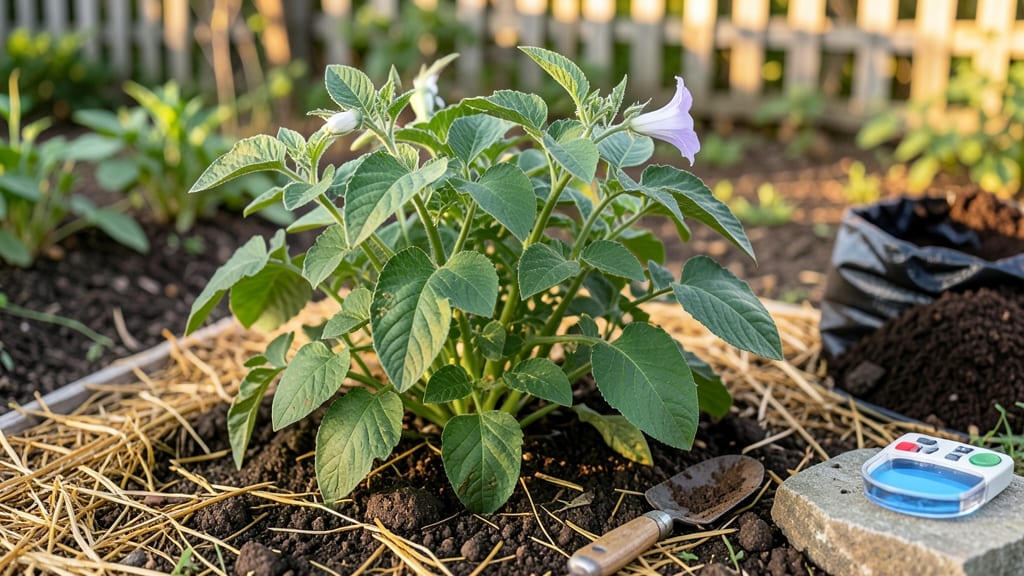
Growing potatoes with the right soil requirements means loose, well-draining earth that lets those 🥔 tubers swell without rotting—think sandy loam with a crumbly texture, not compacted clay.
Struggling to grow potatoes that thrive? The secret isn’t just sunlight—it’s the perfect soil mix that balances drainage, aeration, and nutrients. Get it wrong, and you’ll end up with stunted tubers or rot. But with the right approach, you could double your yield this season.
Potatoes hate soggy roots, so aim for a pH of 5.0–6.5 and mix in 30% compost to feed them without suffocating the soil. Heavy clay? Add perlite or coarse sand. Sandy soil? Blend in peat moss or aged manure to hold moisture.
Below, I’ll walk you through testing your soil, the best amendments for your region, and how to fix common mistakes—so your harvest is bountiful, not disappointing.
Ideal potato soil composition: the perfect loose, well-draining mix
Potatoes thrive in loose, well-draining soil that mimics their natural mountain habitat. The right mix prevents waterlogging (which causes rot) while providing enough moisture for tuber development. Think of it as creating a fluffy, airy environment where roots can expand freely—no compacted clay or sandy desert conditions allowed!
Your goal is a sandy-loam texture with 30-40% organic matter (like compost or aged manure). This balance holds nutrients while allowing excess water to drain. Clay-heavy soils? Add perlite or coarse sand.
Sandy soils? Blend in peat moss or coconut coir to retain moisture. The difference between these extremes can mean the difference between bountiful harvests and disappointing yields.
Potatoes prefer a slightly acidic to neutral pH between 5.0 and 6.5. Test your soil with a home pH kit (available at garden centers for ~$10). If your soil is too alkaline (above 7.0), mix in peat moss or sulfur.
For acidic soil (below 5.0), add lime or wood ash. I once grew potatoes in soil tested at 7.2—my tubers were tiny and deformed until I amended it!
Organic matter is the glue that holds your soil together. Aim for 30-40% compost or aged manure mixed into the top 12 inches of soil. Compost improves water retention and adds microorganisms that break down nutrients into plant-available forms.
Pro tip: Save your vegetable scraps and coffee grounds in a compost bin—they’re gold for potatoes!
Don’t overlook aeration. Potatoes need oxygen-rich soil to develop properly. If your soil feels dense when squeezed, it’s time to add perlite or vermiculite (10-20% of your mix).
These amendments create air pockets while improving drainage. I once planted potatoes in heavy clay without amending it—my yield was half what it should’ve been!
Regional adaptations matter. In sandy Southern soils, blend in peat moss or coconut coir to retain moisture. In clay-heavy Northern gardens, mix in coarse sand or perlite.
Even raised beds benefit from a 50-50 mix of topsoil and compost. The key is mimicking the loose, fertile conditions potatoes love in their native Andes.
Test your soil’s drainage before planting. Dig a hole, fill it with water, and time how long it takes to drain. If it’s still wet after 4 hours, your soil drains too slowly.
For fast-draining soils, water should disappear in less than 30 minutes. Adjust your mix accordingly—this simple test saved me from planting potatoes in a soggy patch last year!
Mulch your potato beds with straw or grass clippings to maintain soil moisture and temperature. Mulch also suppresses weeds, which compete with potatoes for nutrients. I use straw mulch because it breaks down slowly and adds organic matter over time. Avoid
How to amend your garden soil for potatoes: step-by-step mixing guide
Potatoes need loose, well-draining soil to grow those plump, disease-free tubers you crave. If your garden soil is heavy clay or sandy, don’t worry—you can transform it with the right amendments. The key is balancing organic matter, texture, and drainage to create the perfect growing medium.
I’ll walk you through my go-to DIY recipes and timing tips to get your soil potato-ready.
Before mixing, test your soil’s drainage and pH. Potatoes thrive in slightly acidic soil with a pH of 5.0–6.5. If your soil drains poorly (water pools after 6 hours), it’s likely too clay-heavy.
Sandy soil that drains too fast? That’s a different fix. Both can be amended to create the ideal sandy-loam texture potatoes love. Let’s get started with your custom soil recipe.
- 🌱 Ideal Soil Mix for Potatoes: 60% topsoil + 30% compost + 10% perlite/vermiculite
- 🪴 Heavy Clay Soil Fix: Add 50% compost + 20% coarse sand + 10% peat moss to break up compaction
- 💧 Sandy Soil Fix: Mix in 40% compost + 20% coconut coir to retain moisture and nutrients
- 🌡️ pH Adjustment: Add sulfur (for pH >6.5) or lime (for pH <5.0) sparingly—test first!
- ✂️ Organic Boost: Work in well-aged manure (cow/chicken) or worm castings for nutrients
Timing matters! For best results, amend your soil in the fall (3–4 months before planting) or early spring (6 weeks before last frost). Fall amendments have time to integrate naturally, while spring fixes give roots a head start.
Avoid adding fresh manure—it can burn roots and attract pests. Instead, use composted materials like leaf mold or aged compost for safe, nutrient-rich soil.
To maintain soil health year-round, mulch with straw or grass clippings after harvest to prevent erosion and replenish organic matter. Every 2–3 years, re-test your soil and top-dress with a 1-inch layer of compost.
This keeps your potato patch productive without heavy annual amendments. Think of it as a slow-release fertilizer that builds soil structure over time.
Pro tip: If you’re planting in containers, use a mix of 50% potting soil, 30% compost, and 20% perlite. This ensures excellent drainage while retaining enough moisture for container-grown potatoes. Just remember—drainage is non-negotiable for tubers!
With these amendments, your potatoes will have the perfect home to grow large, disease-resistant tubers. Happy digging—your next harvest is just a soil mix away! 🥔