
Companion Plants
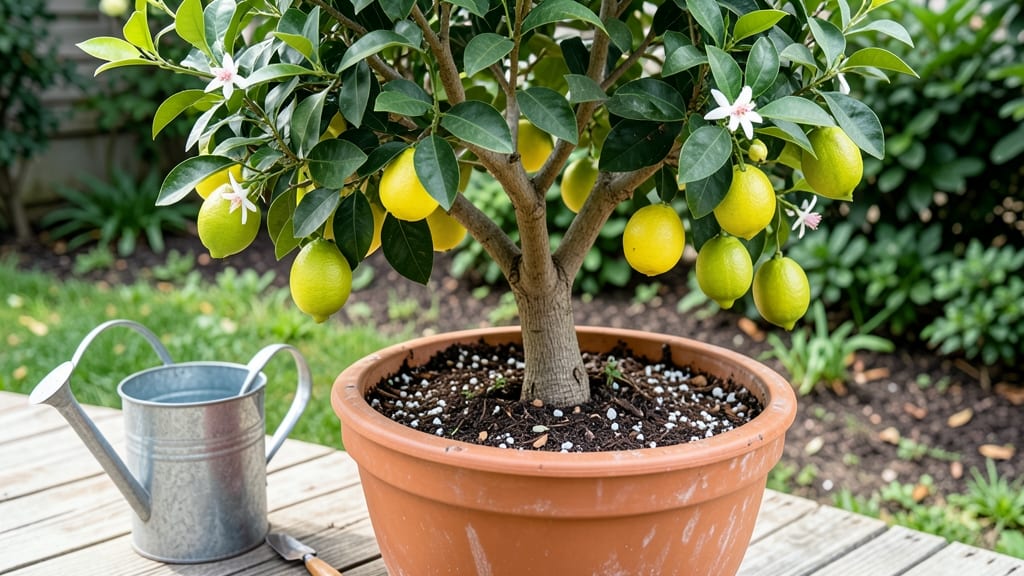
The right potting soil for citrus plants is the secret to avoiding root rot and keeping your trees lush and productive for years. 🌿 I learned this the hard way when my Meyer lemon tree nearly drowned in store-bought potting mix—until I switched to a fast-draining blend with the right pH. Citrus trees demand a specific mix that mimics their Mediterranean roots, and getting it wrong means stunted growth or worse.
Most gardeners overlook the acidic pH (around 6.0) and proper aeration, which are non-negotiable for citrus. The ideal mix combines sandy loam for drainage with organic matter like compost or coconut coir to retain moisture without suffocating roots.
Perlite or pumice adds that critical air space, while a citrus-specific fertilizer ensures the nutrients stay balanced. You’ll know you’ve nailed it when your tree’s new growth is bright green and glossy, with no yellowing leaves or soggy soil clinging to the roots.
The roots should spread evenly in the pot, not circling tightly—a sign they’re struggling for air. This mix works for dwarf varieties in containers or larger trees in raised beds. Repotting becomes a breeze when you’ve mastered the soil.
Aim for a pot just 2-3 inches larger in diameter than the root ball, and always use fresh mix to avoid compacting old soil. The payoff? Trees that fruit twice as heavily and survive winters with minimal fuss. Here’s exactly how to build it yourself.
📚 In This Guide
- What you need
- Instructions
- Tips and common mistakes
- Wrapping up and next steps
What you need
- ● 50% Peat Moss or Coco Coir – 4 cups (holds moisture while allowing airflow)
- ● 25% Perlite or Pumice – 2 cups (boosts drainage and aeration)
- ● 25% Coarse Sand or Horticultural Sand – 2 cups (prevents compaction)
- ○ Slow-Release Citrus Fertilizer – 1 tbsp (optional but recommended for pH balance)
- ● Lime (if needed) – A pinch (adjusts pH if soil is too acidic)
- ● Large Container or Wheelbarrow – For mixing ingredients
- ● Garden Gloves – To protect hands from grit
- ● pH Test Kit – Ensures soil stays in the 5.5–6.5 range
- ● Trowel or Shovel – For blending materials evenly
- ● Citrus Plant (Potted or Bare Root) – Ready for replanting
- ● Worm Castings – ½ cup (adds organic nutrients)
- ● Composted Bark – 1 cup (improves structure)
- ● Citrus-Specific Soil Mix – Pre-made blend (for convenience)
Step-by-Step guide for mixing fast-draining acidic soil for citrus trees
This blend ensures your citrus thrives with the perfect balance of drainage and acidity.
🌱 Step 1: Gather the Right Base Materials
Start with 50% peat moss or coconut coir—this holds moisture while allowing airflow. I use coconut coir because it resists compaction better than peat. Add 30% perlite or pumice for that critical drainage. Without this, roots suffocate and rot. Measure carefully—too much perlite makes the mix too dry, but too little drowns roots.
For acidity, mix in 20% pine bark fines—this keeps the pH between 5.5 and 6.5, which citrus loves. Skip garden soil entirely; it compacts and raises pH over time. If you’re repotting an established tree, sift the old soil to reuse up to 25% of it, but only if it’s still fluffy and free of salt buildup.
💧 Step 2: Blend for Uniform Texture
In a large wheelbarrow or clean bin, combine the materials layer by layer. Start with the peat moss or coir, then sprinkle the pine bark fines evenly over it. Mix with a garden fork until fully integrated—no clumps should remain. This ensures even moisture distribution and prevents dry pockets where roots might rot.
Next, add the perlite or pumice and mix again. The goal is a light, airy texture that crumbles easily between your fingers. If the mix feels too dense, add a little more perlite. If it feels like sand, blend in more peat or coir. Test by squeezing a handful—it should hold shape but break apart with gentle pressure.
☀️ Step 3: Adjust pH and Moisture
Citrus hates alkaline soil, so test your mix with a pH meter or kit. If it reads above 6.5, add elemental sulfur (1 teaspoon per gallon of mix) and re-test after a few days. For moisture, water the blend until it’s evenly damp but not soggy. Think of a wrung-out sponge—just enough to keep roots happy without drowning them.
Here’s the thing—citrus roots are shallow but sensitive. Overwatering is the #1 killer, so this mix must drain within 10 minutes of watering. If it pools at the bottom, add more perlite. If it dries out too fast, increase the peat or coir. The right balance keeps roots oxygenated and prevents fungal diseases.
✂️ Step 4: Layer for Optimal Root Growth
When repotting, place a 1-inch layer of coarse perlite or pumice at the bottom of the pot for extra drainage. This prevents the roots from sitting in water. Fill the pot ⅓ full with your mixed soil, then place the citrus tree so the root flare (where roots meet the trunk) sits just above the soil line. Never bury the trunk—it’ll rot.
Fill the rest of the pot with soil, pressing lightly to eliminate air pockets but not compacting. Leave a 1-inch gap at the top for watering. After planting, water deeply until it drains freely from the bottom. This settles the soil and removes any remaining air bubbles around the roots.
🪴 Step 5: Maintain the Perfect Environment
Keep your citrus in a pot with drainage holes—no exceptions. After watering, empty the saucer within 30 minutes to prevent salt buildup. Citrus trees need bright, indirect light (think east or south window) and 60-75°F temperatures. Below 50°F, roots slow down, and above 85°F, they stress out.
Fertilize lightly every 6-8 weeks with a citrus-specific fertilizer (high in nitrogen but balanced). Over-fertilizing burns roots in this fast-draining mix. Watch for yellow leaves—this usually means overwatering or low iron. Adjust your watering or add chelated iron if needed. With this soil, your citrus will grow strong and productive for years.
Tips & tricks for perfect citrus potting mix
These game-changing insights will help you create the ideal growing environment for your citrus trees.
Material Selection: When choosing between peat moss and coconut coir, coconut coir is the better choice because it resists compaction over time and holds moisture more consistently. For the 30% perlite or pumice component, I recommend pumice if you can find it—it's slightly heavier than perlite and provides better long-term drainage. The key is maintaining that perfect ratio to ensure roots stay oxygenated while still retaining enough moisture.
Blending Technique: In Step 2, when mixing your materials layer by layer, don't rush this process. Take your time to fully integrate each component—this prevents clumps that could create dry pockets where roots might rot. For best results, use a garden fork to gently fluff the mix rather than stirring vigorously. The texture should resemble crumbled styrofoam—light but with just enough structure to hold its shape when squeezed.
pH Adjustment: The 1 teaspoon of elemental sulfur per gallon is your secret weapon for maintaining proper acidity. If you're unsure about your initial pH, test the mix after adding sulfur and wait 3-5 days before re-testing—sulfur needs time to fully acidify the mix. Aim for that 5.5-6.5 range, as citrus trees are particularly sensitive to alkaline conditions that can lock out essential nutrients.
Layering Strategy: That 1-inch layer of coarse perlite or pumice at the bottom isn't just for show—it's your first line of defense against root rot. When repotting, place your citrus tree so the root flare sits just above the soil line. This positioning prevents the roots from suffocating while allowing the trunk to stay dry, which is crucial for preventing fungal infections that can kill your tree.
Pro Tips for Potting Soil For Citrus Plants
- These game-changing insights will help you create the ideal growing environment for your citrus trees.
- Material Selection: When choosing between peat moss and coconut coir, coconut coir is the better choice because it resists compaction over time and holds moisture more consistently.
- Blending Technique: In Step 2, when mixing your materials layer by layer, don't rush this process.
Frequently asked questions
Got questions about the perfect potting mix for your citrus trees? We’ve got answers! Here are some of the most common concerns—plus quick fixes to keep your plants happy and healthy.
What’s the ideal pH for citrus potting soil?
Citrus plants thrive in slightly acidic soil with a pH between 5.5 and 6.5. If your mix isn’t acidic enough, add peat moss or pine bark fines to lower the pH. Test your soil with a pH meter every few months—citrus roots are sensitive to alkaline conditions!
How often should I repot my citrus tree?
Repot young citrus trees every 1–2 years (spring is best!) to refresh the soil and accommodate growth. Mature trees need repotting every 3–5 years or when roots circle the pot. Use a pot just 1–2 inches larger in diameter to avoid soggy soil.
Can I use regular garden soil for citrus plants?
Nope! Garden soil is too dense and retains too much moisture, leading to root rot. Instead, mix 60% potting soil, 20% perlite or pumice (for drainage), and 20% compost or worm castings (for nutrients). Avoid clay-heavy soils—they suffocate citrus roots!
Why are my citrus leaves yellowing, even with the right soil?
Yellowing leaves often signal overwatering, nutrient deficiency, or poor drainage. Check the soil moisture—it should dry out 1–2 inches deep between waterings. Add citrus-specific fertilizer (high in nitrogen and micronutrients) every 4–6 weeks in growing season. If roots look mushy, repot with fresh, fast-draining mix!
Are there pre-mixed citrus potting soils I can buy?
Yes! Look for “citrus blend” or “ericaceous” mixes (designed for acid-loving plants) at garden centers. Brands like Fox Farm Ocean Forest or Miracle-Gro Citrus, Fruit & Vegetable Potting Mix work well. Just amend with perlite if the mix feels too compact.
Wrapping up and next steps
Choosing the right potting soil for citrus plants is the secret to nurturing lush, vibrant trees that burst with flavor and fragrance! 🍊 A well-balanced, fast-draining, and acidic mix—packed with organic matter—sets the stage for healthy growth and bountiful harvests.
With the right soil, your citrus plants will thrive, rewarding you with juicy oranges, tangy lemons, and sweet limes for years to come.
Now that you’re armed with the knowledge, it’s time to roll up your sleeves and give your citrus companions the perfect foundation. Grab your materials, mix with confidence, and watch your plants flourish! Ready to plant? Let’s grow something amazing together! 🌱