
How To
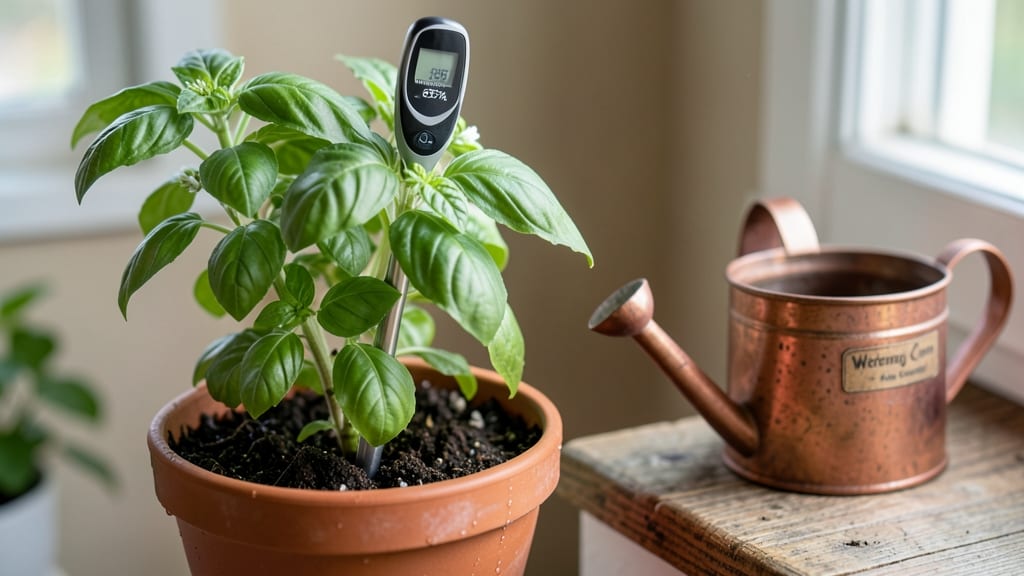
Balancing potting soil moisture is essential for plant health—test by sticking your finger 1-2 inches deep; the ideal feel is slightly damp like a wrung-out sponge. Too much water cuts off oxygen to roots, while dry soil causes stress and wilting. Water thoroughly until excess drains from the bottom, then let the top layer dry slightly before watering again.
Understanding potting soil moisture isn't just about avoiding soggy or bone-dry soil—it's about creating the perfect environment for roots to breathe and absorb nutrients. 🌱 Most plants thrive when the top inch of soil feels like a damp sponge, but this can vary dramatically depending on the plant type.
For instance, succulents and cacti prefer soil that's almost dry between waterings, while tropical plants like ferns need consistently moist conditions. The key is observing your plant's behavior: yellowing leaves often signal overwatering, while crispy edges and wilting point to thirst.
Another critical factor is your soil mix—adding perlite or sand improves drainage, while peat moss helps retain moisture. Always ensure your pots have drainage holes, as trapped water leads to root rot faster than you'd think.
I've found that using a moisture meter (around $15) takes the guesswork out of it, especially for fussy plants like orchids. The goal is consistency: aim for a rhythm where the soil stays evenly moist but never waterlogged.
💡 In This Article
- How to Test Potting Soil Moisture Accurately
- Adjusting Potting Soil Moisture for Different Plant Types
How to test potting soil moisture accurately
The finger test remains the most reliable method because it directly measures moisture at root level. Insert your finger 1-2 inches deep—this is where most plant roots actively absorb water. The ideal texture should feel like a damp sponge that holds its shape but doesn't drip.
Think of it like squeezing a clean kitchen sponge: it should feel moist but not saturated. For visual learners, compare it to a wrung-out washcloth—just enough moisture to keep it pliable without feeling soggy. 💧
Moisture meters provide precise readings by measuring electrical conductivity between probes, which correlates to water content. Digital meters (like the $15 AcuRite model) display percentages, while analog versions show moisture levels on a scale.
These tools are especially useful for plants with specific needs like African violets, which require consistently moist (but not wet) soil. However, they don't account for soil composition—peat-heavy mixes will read differently than cactus mixes, even at the same moisture level.
Always calibrate your meter against the finger test for accuracy.
Visual cues offer quick checks but require experience. Healthy soil should appear dark and crumbly, while dry soil looks lighter and powdery. Overwatered soil often has a grayish tint and may develop a sour smell from anaerobic bacteria.
For container plants, lift the pot—if it feels significantly heavier than usual, it's likely overwatered. The key is consistency: test at the same depth and time each week to track patterns. I've noticed that morning tests are most reliable since evening watering can create temporary moisture spikes at the surface.
Overwatering creates oxygen deprivation that triggers root rot within 24-48 hours, turning roots black and mushy. Underwatering causes roots to dry out and recede from the soil surface, making plants more vulnerable to pests.
The damage isn't just cosmetic—stressed roots can't absorb nutrients, leading to yellowing leaves and stunted growth. For example, ferns show wilting within 3-5 days of dry soil, while succulents may take 2-3 weeks to show signs of thirst. This variation explains why one-size-fits-all watering schedules fail.
Seasonal adjustments are crucial because temperature and humidity affect evaporation rates. In summer, soil may dry 30-50% faster than in winter due to increased heat and air movement. Indoor plants near air conditioning vents or heaters also dry differently than those in stable environments.
The solution? Create a watering journal noting when and how much you water, along with environmental conditions. Over time, you'll spot patterns—like needing 20% less water in winter for the same plant.
For troubleshooting, consider these common pitfalls: using tap water with high salts can build up in soil, making it appear dry when it's actually chemically stressed; and relying solely on surface moisture readings, which don't reflect root-zone conditions.
The best approach combines multiple methods—finger test for daily checks, moisture meter for critical plants, and visual observations for overall health trends. This layered approach gives you the most accurate picture of your soil's true moisture status. 🌱