
Neem Oil
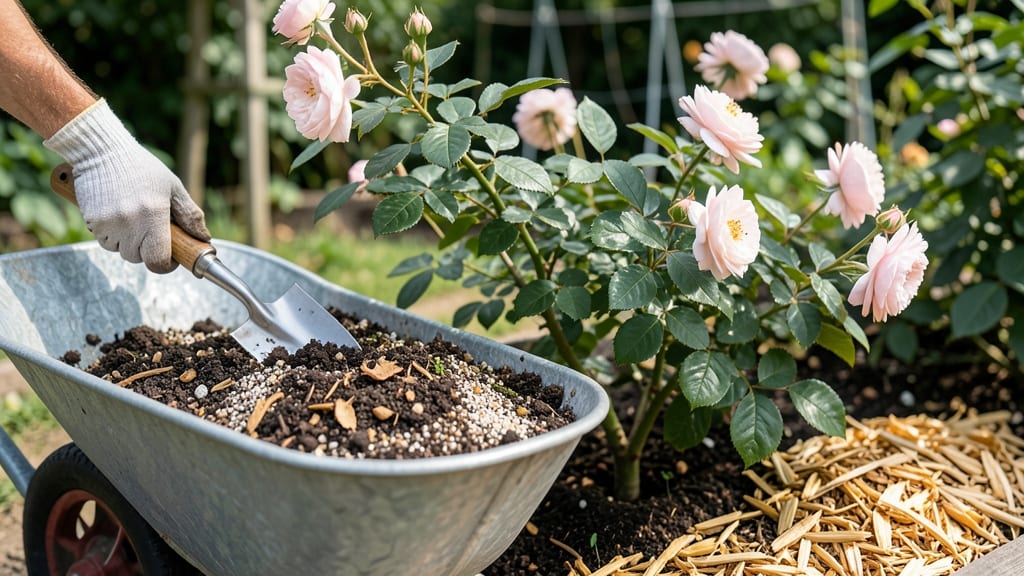
A rose soil mix that’s too heavy, alkaline, or waterlogged will leave your 🌹 roses struggling with weak stems and sparse blooms—no matter how much you prune or fertilize.
Struggling with wilting roses or weak blooms? The secret to thriving roses isn’t just water or sunlight—it’s the perfect rose soil mix that mimics their natural, acidic habitat while preventing root rot and fungal diseases.
Roses crave a well-draining, slightly acidic blend (pH 6.0–6.5) packed with organic matter to feed their deep roots. Too much clay or alkaline soil? That’s a recipe for black spot and stunted growth.
But here’s the good news: with the right mix, you can transform even the toughest soil into a blooming paradise.
In this guide, I’ll walk you through the exact proportions for a homemade rose soil mix, how to test your soil’s pH, and the best amendments to keep your roses thriving—whether you’re a beginner or a seasoned gardener.
The ideal rose soil mix composition for healthy blooms
Roses thrive when their roots bask in the perfect soil blend—a mix that’s airy yet nutrient-rich, slightly acidic, and free of compaction. The ideal rose soil mix isn’t just dirt; it’s a carefully balanced recipe that mimics their natural woodland habitat while preventing root rot and fungal diseases.
Without the right foundation, even the hardiest rose varieties struggle to produce those vibrant blooms you crave.
Most gardeners overlook soil composition, assuming any "good dirt" will do. But roses are acid-loving plants that demand a pH of 6.0–6.5. Too alkaline, and they suffer from chlorosis (yellowing leaves). Too acidic, and nutrients like phosphorus become locked away.
The magic happens when you blend 60% loamy soil with organic matter, drainage enhancers, and a touch of sulfur to tweak pH naturally.
The summary-table below breaks down the exact proportions and why each ingredient matters. Think of it as the foundation recipe for roses that burst with color and resist pests.
Let’s start with the 60% loamy soil base—this isn’t your average garden dirt. Loam is a balanced blend of sand, silt, and clay that drains well but holds moisture.
You can test your soil’s loaminess by squeezing a handful: if it crumbles slightly when dry but holds shape when wet, you’re golden. If it’s clay-heavy (sticky when wet), amend with coarse sand or perlite.
The 20% organic matter (compost or peat moss) is where the magic happens. Compost adds microorganisms that break down nutrients into forms roses can absorb, while peat moss retains moisture and keeps roots cool.
I swear by well-aged compost—fresh manure burns roots! Mix in 1–2 inches of compost around the base of mature roses annually to replenish nutrients like phosphorus and potassium, which fuel blooms.
Here’s where most gardeners go wrong: drainage. Roses hate soggy roots. That’s why 15% perlite or sand is non-negotiable. Perlite adds air pockets, while coarse sand prevents compaction. If your soil drains poorly, add 5–10% more perlite and consider planting in a raised bed for better control.
A simple test: dig a hole, fill it with water, and time how long it takes to drain. If it’s slower than 30 minutes, you need more amendments.
Lastly, the 5% sulfur tweaks pH to the ideal 6.0–6.5 range. Test your soil’s pH with a home test kit (or send a sample to your local extension office). If it’s above 6.5, sprinkle 1–2 pounds of sulfur per 100 sq ft and water it in.
Avoid quick fixes like vinegar—they disrupt microbial life. Re-test in 4–6 weeks; roses will thank you with lush foliage and bold blooms.
Pro tip: Mulch with pine needles or oak leaves after planting to slowly acidify the soil and retain moisture. I’ve seen blackspot-resistant roses thrive in this mix because the slightly acidic environment suppresses fungal spores.
For container roses, use a pre-mixed rose potting soil and top-dress with sulfur-coated fertilizer every 6–8 weeks.
Ready to transform your roses? Grab a garden fork, dig in, and blend these ingredients like a pro. Your next bouquet will be the envy of the neighborhood—guaranteed! 🌹
How to mix and amend soil for roses: step-by-step guide
Creating the perfect rose soil mix is like crafting a gourmet meal for your plants—each ingredient plays a critical role in their health and blooming potential. Roses thrive in well-draining, slightly acidic soil with a pH between 6.0 and 6.5.
If your garden soil is heavy clay or alkaline, amending it properly can transform your roses from struggling survivors to vibrant showstoppers.
Before you start mixing, test your soil’s pH using a simple home test kit. If the results show a pH above 6.5, you’ll need to add elemental sulfur to lower it. For drainage issues, avoid compacting the soil—this is where layering and organic amendments become your best friends.
Let’s break it down into clear, actionable steps to get your roses the ideal growing environment.
Step-by-Step Guide to Mixing Rose Soil
- Step 1: Clear and Loosen the Area Remove weeds and debris from a 12-inch deep planting area. Use a garden fork to loosen compacted soil, breaking up clumps to improve aeration.
- Step 2: Layer Organic Matter Add a 3-inch layer of compost or well-rotted manure at the bottom. This provides essential nutrients and improves soil structure without compacting.
- Step 3: Adjust pH with Sulfur or Lime For acid-loving roses, mix in 1 pound of elemental sulfur per 100 square feet if your soil pH is above 6.5. For alkaline soil, apply lime sparingly (never more than 5 pounds per 100 sq ft).
- Step 4: Improve Drainage Incorporate coarse sand, perlite, or grit (1 part per 3 parts soil) to prevent waterlogging. This is critical for root health and disease prevention.
- Step 5: Blend the Mix Combine 60% native soil, 20% compost, 15% perlite/sand, and 5% sulfur (if needed). Mix thoroughly to ensure even distribution of amendments.
- Step 6: Test and Reapply After planting, retest soil pH in 6–8 weeks. Reapply sulfur or lime if needed, and top-dress with 2 inches of mulch to retain moisture and regulate temperature.
One of the biggest mistakes gardeners make is over-amending with too much compost or fertilizer. This can burn roots and disrupt the soil’s natural balance. Instead, think of your rose soil mix as a slow-release system—focus on quality over quantity.
For example, peat moss is excellent for acidity, but it breaks down quickly, so replenish it annually.
If your roses still struggle with poor drainage or nutrient deficiencies, consider adding mycorrhizal fungi to the soil mix. These beneficial microbes help roots absorb water and nutrients more efficiently.
For yellowing leaves, a deficiency in iron or nitrogen might be the culprit—amend with chelated iron or a balanced rose fertilizer (10-10-10). Always water deeply after amending to help the soil settle and avoid shocking the roots.
Finally, remember that patience is key. Amended soil takes time to stabilize, especially in clay-heavy gardens. Monitor your roses’ progress over 3–4 months, adjusting as needed. With the right mix, your roses will reward you with lush foliage, stronger canes, and show-stopping blooms all season long.