
Neem Oil
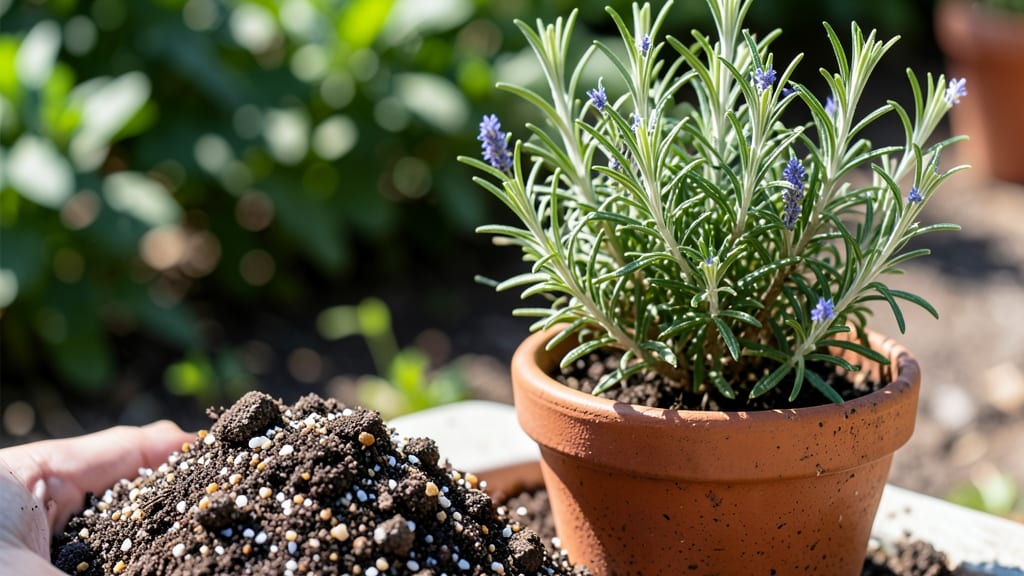
Your rosemary soil mix should mimic the rocky, well-draining Mediterranean soil where it thrives naturally. 🌿 The right blend prevents root rot and keeps plants fragrant and productive for years—something I learned the hard way after losing three rosemary plants to soggy soil.
Start with 60% coarse sand or gravel (like pumice or perlite) to replicate rosemary’s native habitat. Mix in 30% organic matter (compost or coco coir) for nutrients, and 10% finely screened topsoil for structure. For containers, add extra perlite to boost drainage—this herb despises wet feet.
In-ground plantings need slightly more organic matter (40%) to retain moisture while still allowing excess water to escape. Mediterranean climates can use less sand, while cooler regions benefit from extra gravel to prevent winter waterlogging. The payoff?
Rosemary that grows twice as fast, stays lush year-round, and resists pests better than store-bought plants. Let’s get your mix right the first time.
📚 In This Guide
- What you need
- Instructions
- Tips and common mistakes
- Wrapping up and next steps
What you need
- ● Pro tip: 💡 If your rosemary is outdoor-bound, test your native soil’s drainage first—amend with extra perlite or sand if it feels clay-heavy!
Step-by-Step guide to crafting a rosemary-specialized soil mix
This blend ensures rosemary thrives with perfect drainage and nutrient balance—no more leggy stems or stunted growth.
🌱 Step 1: Combine Base Materials for Optimal Drainage
Start with 50% coarse sand or perlite—this prevents compaction and mimics rosemary’s Mediterranean roots. I use perlite because it’s sterile and won’t introduce pathogens. Add 30% high-quality potting mix—never garden soil, which holds too much moisture and suffocates rosemary roots.
Mix these dry ingredients first in a large container. Use your hands to break up any clumps in the potting mix. The goal is a loose, airy texture that lets excess water drain immediately. If the blend feels too dense, add an extra 10% perlite—rosemary hates soggy feet.
🌿 Step 2: Incorporate Organic Matter for Nutrient Balance
Add 20% compost or well-aged manure to feed the rosemary without overwhelming it. I prefer worm castings for a gentle, slow-release nutrient boost. Sift the compost to remove any large chunks—rosemary roots are fine but don’t need to navigate debris.
Work the compost into the dry mix until evenly distributed. You’ll see the blend darken slightly, indicating better moisture retention without sacrificing drainage. This step ensures your rosemary gets steady nutrients without the risk of root rot. Press the mix lightly to check—it should crumble easily when squeezed.
💧 Step 3: Adjust Moisture and pH for Rosemary’s Preferences
Rosemary thrives in slightly alkaline soil (pH 6.0–7.5). Test your mix with a pH meter—if it’s acidic, add a handful of crushed limestone per gallon of mix. For moisture, sprinkle warm water until the blend feels like a damp sponge, not a wet rag. Overwatering here will undo all the drainage work.
Let the mix sit for 24 hours before use. This allows any adjustments (like pH amendments) to take effect. After resting, the texture should hold together when pressed but still allow water to flow through. If it feels gummy, add more perlite until it lightens up.
✂️ Step 4: Test and Refine for Perfect Planting Conditions
Fill a small container with your mix and plant a rosemary cutting to test. Water it lightly and let it sit in bright, indirect light for a week. If the soil stays damp for more than 2 days, add 10% additional perlite to improve drainage. If the rosemary wilts quickly, the mix may need 5% more compost for better moisture retention.
Once you’ve confirmed the blend works—no wilting, no yellowing—you’re ready to use it for your full rosemary garden. This mix stays effective for 6–12 months before needing a compost refresh. Store any extra in a sealed container to preserve its structure.
Tips & tricks for perfect rosemary soil mix
Took me years of trial-and-error to perfect this blend—here's what actually makes the difference for rosemary.
Drainage is everything: The 50% perlite/sand ratio in Step 1 mimics rosemary's natural Mediterranean habitat where water drains quickly through rocky soil. I've seen rosemary roots rot when people skip this step—don't make that mistake! If your blend feels compacted after mixing, add that extra 10% perlite immediately. The texture should resemble crumbled styrofoam when squeezed.
Compost quality matters: In Step 2, I can't stress enough how important it is to sift your compost thoroughly. I've ruined batches by leaving in large chunks that create air pockets where roots can't penetrate. For best results, use worm castings—they're sterile and provide slow-release nutrients without the risk of pathogens that can come from manure.
pH testing saves headaches: The slightly alkaline range (6.0-7.5) in Step 3 is non-negotiable for rosemary. I learned this the hard way when my plants turned yellow despite perfect drainage. Invest in a pH meter—it's the only reliable way to verify your mix. If you don't have one, test with a simple vinegar/baking soda test (add each to separate soil samples; fizz indicates acidity).
Storage wisdom: After the 24-hour resting period, store any unused mix in sealed containers with a desiccant packet. I've kept this blend effective for up to 12 months when stored properly—just refresh the compost portion before reuse. The key is maintaining that airy texture, so avoid compacting it during storage.
Pro Tips for Rosemary Soil Mix
- Took me years of trial-and-error to perfect this blend—here's what actually makes the difference for rosemary.
- Drainage is everything: The 50% perlite/sand ratio in Step 1 mimics rosemary's natural Mediterranean habitat where water drains quickly through rocky soil.
- Compost quality matters: In Step 2, I can't stress enough how important it is to sift your compost thoroughly.
Frequently asked questions
What’s the best ratio of rosemary soil mix for potted plants vs. in-ground planting?
For potted rosemary, use a 60% rosemary soil mix (like our blend) with 40% coarse sand or perlite to improve drainage. For in-ground planting, amend native soil with 30-40% rosemary mix—this prevents compaction while mimicking Mediterranean conditions.
How often should I repot rosemary if using a specialized soil mix?
Repot rosemary every 2–3 years or when roots outgrow the pot. Signs it’s time: roots circling the pot’s bottom or soil drying out too quickly. Refresh the rosemary soil mix with 20% new blend each repotting to replenish nutrients.
Can I substitute garden soil for rosemary soil mix? What happens if I don’t?
While you can use garden soil, rosemary thrives best in well-draining, sandy mixes. Heavy clay soil risks root rot and stunted growth. If substituting, add 50% perlite/sand and avoid compost-heavy blends—rosemary prefers lean, mineral-rich soil.
Why does my rosemary turn yellow even with the right soil mix?
Yellowing leaves often signal overwatering or nutrient burnout. Check drainage—rosemary hates soggy roots! If soil is dry, water deeply but let it dry completely between sessions. For nutrients, add a light dose of fish emulsion (every 6 months) to avoid over-fertilizing.
Does rosemary soil mix work for other Mediterranean herbs like thyme or oregano?
Yes! The same mix works for thyme, oregano, lavender, and sage—all love fast-draining, mineral-rich soil. Adjust slightly for moisture-loving herbs (like basil): reduce sand by 10-15% and add 10% peat moss.
Wrapping up and next steps
Creating the perfect rosemary soil mix is your ticket to a thriving, fragrant herb garden! 🌱 By blending well-draining soil with organic matter and a touch of sand, you’re giving rosemary the ideal conditions to flourish—just like a pro.
Whether you’re a seasoned gardener or just starting out, this mix ensures your rosemary stays healthy, vibrant, and ready to harvest.
Now that you’ve got the know-how, roll up those sleeves and get planting! 🌿 Start with a small batch, experiment with variations, and watch your rosemary grow into a lush, aromatic masterpiece. Happy gardening—your kitchen (and senses) will thank you!