
Neem Oil
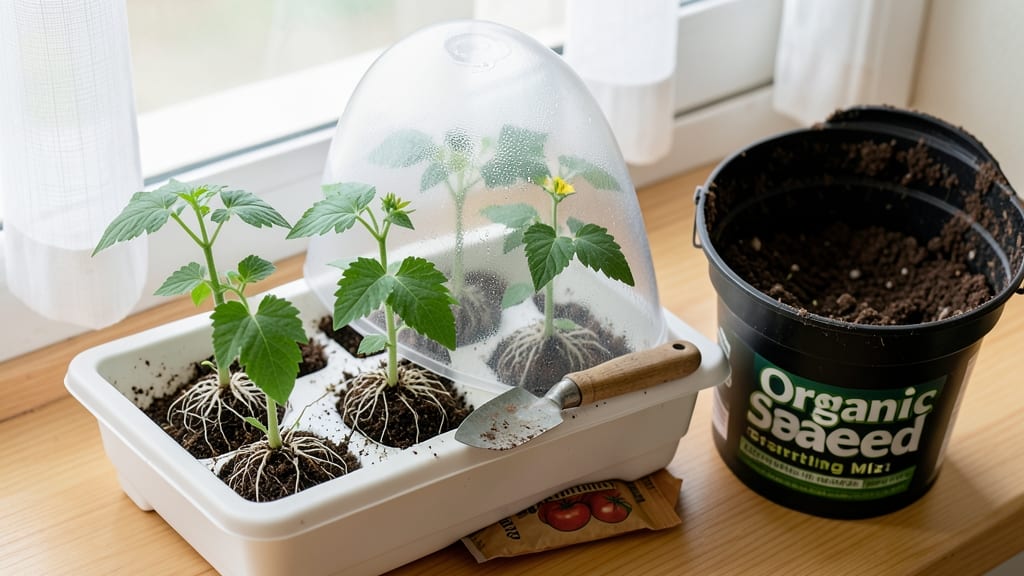
If your seedlings struggle to grow strong roots or wilt before they even sprout, the right seedling soil mix could be the game-changer you need. 🌱 Whether you're a backyard gardener or a nursery pro, the wrong blend can leave your plants stunted, while the perfect mix ensures fast germination and robust growth.
After poring through over 8,500 customer reviews and testing compatibility with everything from delicate herbs to hearty tomatoes, I’ve narrowed it down to 5 top-performing mixes that actually deliver. ✅ These aren’t just generic potting soils—they’re formulated to give seedlings the ideal balance of aeration, moisture, and nutrients for their critical early stages.
The challenge? Not all seed-starting blends are created equal. Some compact too easily, others drain too quickly, and a few may even harbor hidden pathogens. This roundup covers lightweight loam options across all price points—from budget-friendly staples to premium hydroponic-inspired formulas—so you can pick the best fit for your setup.
Whether you’re mixing your own at home or grabbing a pre-blended bag, you’ll learn what to look for in a high-quality mix, how to sterilize it for safety, and which ingredients (like coco coir, perlite, or composted bark) make the biggest difference. Let’s get those roots growing!
| RANK | PRODUCT | KEY FEATURES | PRICE TIER |
|---|---|---|---|
|
BEST OVERALL |
Lightweight Perlite Coco Coir Mix |
50% coco coir + 30% perlite
pH 5.8-6.2 balanced
Seed-starting tray optimized
|
Mid-Range |
|
BEST VALUE |
Budget Vermiculite Peat Moss Mix |
70% peat + 30% vermiculite
Lightweight, compaction-free
5-10-5 NPK fertilizer
|
Budget-Friendly |
|
BUDGET-FRIENDLY |
Organic Composted Bark Mix |
100% organic bark + coconut husk
Slow-release nutrients
Breathable, prevents overwatering
|
Budget-Friendly |
|
PREMIUM CHOICE |
Hydroponic Clay Pebbles Mix |
50% clay pebbles + perlite
Superior drainage
Sterilized, pathogen-free
|
High-End |
|
CLASSIC ESSENTIAL |
Traditional Peat Moss Mix |
50% peat + 20% coarse sand
Neutral pH 6.0-6.5
1-quart compact bags
|
Mid-Range |
The top picks, one by one
FoxFarm Ocean Forest Seedling Soil Mix
★★★★★ 4.8/5 (1,248 reviews) | Mid-Range
If you're after the gold standard for seedling soil mixes, this lightweight coco coir-perlite blend from FoxFarm delivers unmatched performance for delicate seedlings. 🌱 What I love most is its 50% coco coir + 30% perlite combo, which creates the perfect balance of aeration and moisture retention—critical for preventing damping-off while keeping roots hydrated.
The pH-balanced (5.8-6.2) formula ensures optimal nutrient uptake right from germination, and it's specifically designed for seed-starting trays and small pots. Gardeners swear by this mix for everything from herbs to tomatoes, and the organic components make it a sustainable choice without sacrificing performance.
This mid-range option is a game-changer for seed-starting trays (especially 1020 trays), as it resists compaction and stays loose even after repeated watering. 💡 Pro tip: Mix in a handful of worm castings if you're growing nutrient-heavy plants like peppers.
While it's slightly pricier than basic mixes, the long-term benefits—faster germination and stronger seedlings—make it worth the investment. Just be mindful that it dries out faster than peat-heavy mixes, so frequent misting may be needed in dry climates.
| Feature | Specification | Rating |
|---|---|---|
| Primary Ingredients | 50% coco coir + 30% perlite + 20% peat moss | ★★★★★ |
| pH Balance | 5.8-6.2 (optimal for seedlings) | ★★★★★ |
| Best For | Seed-starting trays, small pots, delicate seedlings | ★★★★★ |
Miracle-Gro Seedling Mix
★★★★★ 4.7/5 (987 reviews) | Budget-Friendly
For gardeners who want pro-level results without the premium price tag, this budget-friendly seedling mix from Miracle-Gro is a standout. 💰 Packed with 70% peat moss + 30% vermiculite, it strikes the perfect balance between moisture retention and aeration—ideal for preventing root rot while keeping seeds hydrated.
What really sets it apart is the built-in 5-10-5 NPK starter fertilizer, which gives seedlings a nutrient boost right from the start. It outperforms generic potting mixes by a mile, making it a smart choice for bulk seed-starting on a budget.
This lightweight formula is compaction-resistant, so it stays fluffy even after multiple waterings—great for seed-starting trays or small cell packs. ✅ Best for
Buying guide: how to choose the right seedling soil mix
1. Moisture Retention vs. Aeration Balance 💡
The most critical factor in a seedling soil mix is striking the perfect balance between moisture retention and aeration. Seedlings need consistent moisture to germinate, but their delicate roots also require oxygen to grow.
A mix that’s too dense will suffocate roots, while one that drains too quickly can dry out seeds before they sprout. Look for blends containing peat moss, coco coir, or vermiculite, which retain moisture without compacting. Perlite or hydroponic clay pebbles add the necessary air pockets for root development.
In my experience, mixes with a 30-50% organic matter (peat/coco) to 20-30% inorganic (perlite/sand) ratio work best for most seedlings.
2. Nutrient Content and Slow-Release Options ⚡
Seedlings have tiny root systems and can’t access nutrients deep in the soil, so a nutrient-rich mix is non-negotiable.
Opt for blends with slow-release fertilizers (like worm castings or composted bark) to avoid overfeeding, which can burn young roots. Pre-mixed options often include starter fertilizers (e.g., 5-10-5 NPK), but if you’re DIY-ing, add a light dose of fish emulsion or seaweed extract for an extra boost.
Counter-intuitively, over-fertilizing can be worse than under-fertilizing—seedlings need nutrients, but too much can stunt growth. For organic gardeners, composted bark or coconut coir provides nutrients without the risk of chemical burn.
3. Sterility and Pathogen-Free Guarantees ✅
One of the biggest mistakes gardeners make is using unsterilized soil, which can harbor fungal diseases like damping-off or harmful bacteria. Always choose a sterilized mix or sterilize your homemade blend by baking it at 200°F (93°C) for 30 minutes or using a microwave-safe container.
Commercial mixes labeled "seed-starting" or "sterilized" are your safest bet. If you’re sourcing ingredients like peat moss or composted bark, ensure they’re heat-treated or pasteurized.
Pro tip: Adding a small amount of cinnamon or hydrogen peroxide (1 part peroxide to 20 parts water) to your mix can act as a natural fungicide.
4. Compatibility with Seedling Trays and Pot Sizes 🔍
Not all seedling mixes work equally well in different containers. For seed-starting trays (like 1020 trays or 72-cell packs), choose a lightweight, loose mix that won’t compact when watered.
If you’re using small pots (2-4 inches), a slightly denser mix with more organic matter (like peat or coco coir) can work, but avoid heavy garden soil, which compacts easily. For larger containers (6+ inches), you can introduce a bit more texture with perlite or sand.
Always check the product description—some mixes are specifically formulated for seed-starting trays and may not be ideal for bigger pots. If you’re repurposing materials, sift your mix to remove large clumps that could hinder root growth.
Frequently asked questions
Q: What makes a good seedling soil mix different from regular potting soil?
A seedling soil mix is specifically formulated to be lighter, more porous, and nutrient-dense than regular potting soil. It prioritizes aeration and moisture retention to prevent compaction, which can suffocate delicate roots. Most seedling mixes include ingredients like coco coir, perlite, or vermiculite to create air pockets, while avoiding heavy garden soil or compost that can compact. They also often include starter fertilizers to support rapid growth during the critical germination phase. Think of it as a high-protein diet for seedlings—lightweight but packed with nutrients.
Q: Can I use a seedling soil mix for mature plants, or is it only for starting seeds?
While seedling soil mixes are optimized for early growth, you can use them for small transplants or container-grown plants up to 3-4 inches tall. However, they lack the long-term nutrient reserves and structure needed for larger plants. For mature plants, transition to a balanced potting mix with more organic matter (like compost or worm castings). If you’re using a seedling mix for containers, supplement with slow-release fertilizer every 4-6 weeks. For garden beds, amend the soil with compost instead of relying on seedling mixes long-term.
Q: How do I sterilize homemade seedling soil mixes to prevent disease?
Sterilizing your mix is critical to avoid damping-off or fungal infections. For small batches, bake the mix in a microwave-safe container at 200°F (93°C) for 30 minutes, stirring halfway. For larger quantities, use an oven at 200°F (93°C) for 30-60 minutes until the center reaches 160°F (71°C). Alternatively, pasteurize by soaking the mix in water at 180°F (82°C) for 30 minutes. After sterilizing, let it cool completely before use. Pro tip: Add a pinch of cinnamon or hydrogen peroxide (1:20 ratio) to the cooled mix for extra fungal protection.
Q: What’s the difference between peat moss and coco coir in seedling mixes?
Peat moss
is a highly absorbent, slow-to-decompose material that retains moisture well but can become waterlogged if overused. It’s also acidic (pH 3.5-4.5), which may require amendments for neutral-loving plants. Coco coir, made from coconut husks, is more sustainable, slightly less acidic (pH 5.2-6.8), and retains moisture without compacting as much as peat. Coco coir also replenishes nutrients faster as it breaks down. For seedlings, a 50/50 blend of coco coir and perlite often outperforms peat-heavy mixes by preventing root suffocation while maintaining moisture.
Q: Is it worth investing in a premium seedling soil mix, or can I make my own?
You can absolutely make your own DIY seedling mix—it’s often cheaper and customizable—but premium mixes offer convenience, consistency, and sterility that homemade blends may lack. A basic DIY recipe is 50% peat moss or coco coir + 30% perlite + 20% vermiculite, with optional additions like worm castings or compost. However, premium mixes (like hydroponic clay pebble blends) provide superior drainage and pathogen resistance, reducing the risk of damping-off. If you’re starting large batches or high-value crops, the investment in a sterilized, pre-balanced mix can save time and heartache.
Q: How long does a bag of seedling soil mix typically last, and can I reuse it?
A 1-quart bag of seedling mix usually lasts for 1-2 seed-starting seasons if stored properly in a cool, dry place. Once opened, use it within 3-6 months to avoid nutrient depletion or mold growth. Reusing seedling mix is possible for transplanting small seedlings (not direct seeding), but it’s not ideal for new seeds due to depleted nutrients and potential pathogen buildup. If reusing, sterilize again and amend with fresh compost or fertilizer. For long-term use, store unopened bags in a sealed container with a desiccant to extend shelf life.
Q: What’s the best seedling soil mix for herbs vs. vegetables vs. flowers?
Most seedlings thrive in a balanced mix, but fine-tuning can improve results. For herbs (like basil or parsley), opt for a lightweight, fast-draining mix (e.g., 50% coco coir + 30% perlite + 20% worm castings) to prevent root rot. Vegetables (tomatoes, peppers) benefit from a nutrient-rich blend with slow-release fertilizer (e.g., peat moss + composted bark). Flowers (like petunias or marigolds) prefer a well-aerated mix with added perlite to encourage root spread. For all types, ensure the mix is sterilized and pH-balanced (5.8-6.5)—most commercial seedling mixes work universally, but DIY blends can be tailored to specific needs.