
How To
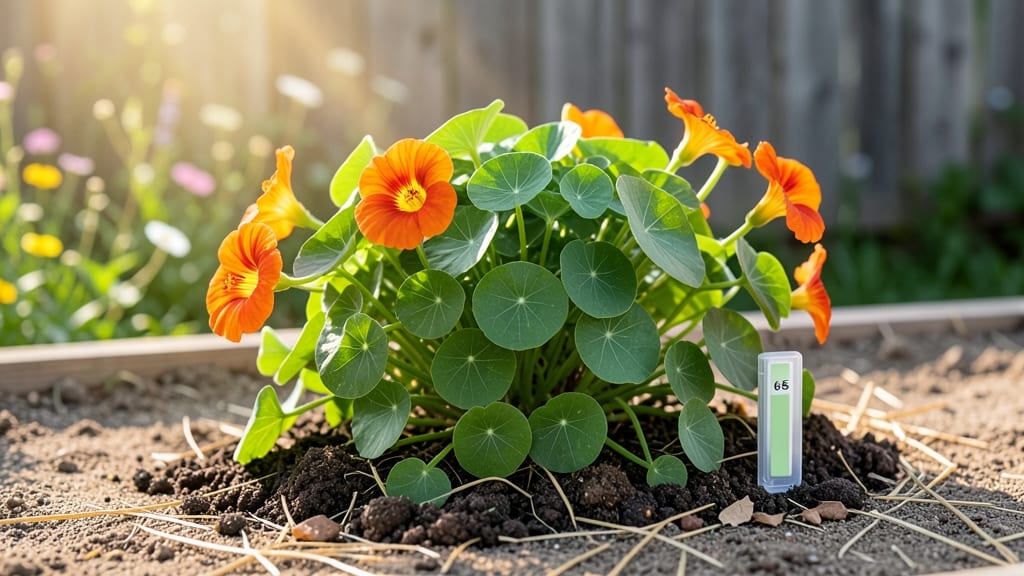
The right soil for nasturtiums means fast blooms and peppery leaves in just weeks. 🌱 I’ve grown these vibrant flowers for years, and the secret isn’t fancy soil—it’s a lightweight loam mix that drains fast but holds enough moisture to keep roots happy.
Too many gardeners overcomplicate it, but nasturtiums thrive in simple, well-amended ground. Start with sandy loam (or potting mix for containers) and work in compost or aged manure—about 25% organic matter—to feed their shallow roots. They hate soggy soil, so avoid heavy clay unless you’re amending it heavily.
A slightly acidic to neutral pH (6.0–7.5) keeps them blooming all season. You’ll see bright orange or yellow flowers within 4–6 weeks if the soil stays loose and fertile. The edible leaves stay crisp and peppery when the mix isn’t too rich—too much nitrogen means fewer blooms.
For containers, a 50/50 blend of potting soil and perlite works wonders. Avoid common mistakes like packed soil (roots need air) or over-fertilizing (they prefer lean conditions). Even in poor soil, nasturtiums adapt—but with the right mix, they’ll reward you with bold blooms and harvestable greens all summer long.
📚 In This Guide
- What you need
- Instructions
- Tips and common mistakes
- Wrapping up and next steps
What you need
- ● Garden soil (topsoil): 50% of your mix (2 parts per 1 part of other amendments). Use loamy, fertile soil with good drainage.
- ○ Compost or well-rotted manure: 25% of your mix (1 part). Boosts nutrients without being too heavy. Optional: Use worm castings for extra organic goodness!
- ● Perlite or coarse sand: 20% of your mix (1 part). Ensures aeration and prevents compaction. Perlite is preferred for moisture control.
- ● Peat moss or coconut coir: 5% of your mix (¼ part). Helps retain moisture while keeping the mix fluffy. Coir is a sustainable swap for peat.
- ● Garden gloves – Protect your hands from sharp soil particles.
- ● Garden trowel or shovel – For mixing and amending soil in beds.
- ● Wheelbarrow or large bucket – To combine ingredients easily (aim for at least a 5-gallon capacity per batch).
- ○ pH testing kit (optional but helpful) – Nasturtiums prefer slightly acidic to neutral soil (pH 5.5–7.0). Adjust with lime (to raise pH) or sulfur (to lower pH) if needed.
- ○ Raised bed or containers (optional) – If your native soil is heavy clay or poor-draining, use a 12-inch-deep container with drainage holes.
How to create the perfect soil mix for nasturtiums
This lightweight blend ensures your nasturtiums bloom quickly and produce tender, edible leaves.
🌱 Step 1: Start with a Base of Loose, Fertile Soil
Nasturtiums thrive in well-draining soil that mimics their natural, rocky slopes. Begin with a base of high-quality garden loam—this provides the essential nutrients while maintaining structure. I like to use a mix that’s roughly 60% loam for the foundation, as it retains moisture without compacting. If your native soil is heavy clay, amend it with 20% coarse sand to prevent waterlogging, which nasturtiums despise.
Work the loam into the planting area to a depth of at least 12 inches, breaking up any clumps with a garden fork. The goal is to create a fluffy, aerated bed where roots can spread freely. You’ll know it’s ready when the soil crumbles easily between your fingers—no hard lumps should remain.
💧 Step 2: Add Organic Matter for Nutrient Boost and Drainage
Incorporate 30% compost or well-aged manure into the loam to feed your nasturtiums without overwhelming them. I prefer chicken manure compost because it’s rich in nitrogen, which supports both leafy growth and vibrant blooms. Mix it in thoroughly, ensuring even distribution—lumpy additions can create uneven moisture zones where roots struggle.
For extra drainage, stir in 10% perlite or coarse vermiculite. This prevents the soil from becoming too dense, which is critical for nasturtiums that hate soggy roots. A quick test: Scoop a handful of the amended soil and press it gently. If it holds its shape but doesn’t feel like wet clay, you’re on the right track.
☀️ Step 3: Adjust pH and Test Moisture Retention
Nasturtiums prefer a slightly acidic to neutral pH (6.0–7.0). If your soil leans alkaline, add a thin layer of sulfur or peat moss and mix it in—this helps lower the pH naturally over time. I test my soil with a simple pH meter before planting; nasturtiums show stress quickly if the pH is off, with yellowing leaves or stunted growth.
Finally, check moisture retention by filling a small container with your mix and watering it. After 10 minutes, press the soil gently—it should feel damp but not dripping. If water pools on top, add more perlite; if it dries out too fast, mix in a bit of peat moss to hold moisture without suffocating roots.
✂️ Step 4: Prepare Beds for Planting
Rake the final soil mix to create a smooth, level surface with mounds or ridges if planting in slopes or containers. Nasturtiums love to spill over edges, so raised beds or hanging baskets work beautifully. For in-ground planting, space mounds 12–18 inches apart—this gives roots room to breathe and prevents overcrowding, which leads to leggy, weak stems.
Here’s the thing—nasturtiums are tough, but they will tell you if the soil is wrong. If leaves yellow between veins, it’s often iron deficiency (add a chelated iron supplement). If blooms fade quickly, the soil might be too rich—cut back on compost next time. Trust your plants; they’re your best guide.
Tips & tricks for perfect soil mix for nasturtiums
Here's what nobody tells you about creating the ideal growing environment for these vibrant plants.
Texture is Everything: In Step 1, when mixing your 60% garden loam, think "airy" not dense. I've found that adding a handful of horticultural charcoal (optional) to the loam helps prevent compaction and mimics the rocky terrain nasturtiums love. The goal is a mix that feels like crumbled cake—not packed sand. This prevents waterlogging while maintaining moisture retention, which is critical for those tender edible leaves.
Compost Quality Matters: For Step 2, don't just grab any compost—look for well-aged, dark brown chicken manure compost that's broken down but still crumbly. Fresh manure can burn delicate nasturtium roots. I test compost by squeezing a handful: if it holds its shape but breaks apart easily, it's perfect. Too fine? Mix in some chopped leaves or straw for better structure.
Drainage Test Simplified: The 10-minute moisture test in Step 3 is your best friend. After adding perlite, I recommend doing this test twice—once before planting and again after watering. If your mix drains too quickly (dries within 5 minutes), add 1-2 tablespoons of peat moss per gallon of mix. If it holds too much water (still damp after 20 minutes), incorporate more perlite or coarse sand.
pH Troubleshooting: If your soil tests above 7.0, don't panic—nasturtiums are more forgiving than many plants. I've successfully grown them in soil up to 7.5 by mixing in extra sulfur and waiting 2-3 weeks before planting. For quick fixes, a thin layer of pine needles (acidic) worked wonders in my raised beds. The key is gradual adjustment—sudden pH shifts stress plants.
Pro Tips for Soil For Nasturtiums
- Here's what nobody tells you about creating the ideal growing environment for these vibrant plants.
- Texture is Everything: In Step 1, when mixing your 60% garden loam, think "airy" not dense.
- Compost Quality Matters: For Step 2, don't just grab any compost—look for well-aged, dark brown chicken manure compost that's broken down but still crumbly.
Frequently asked questions
Got questions about growing nasturtiums in the perfect soil? We’ve got answers! Here are some of the most common concerns—plus quick fixes to keep your plants thriving.
What’s the best soil pH for nasturtiums?
Nasturtiums prefer a slightly acidic to neutral pH (6.0–7.0). Test your soil with a kit—if it’s too alkaline (high pH), mix in peat moss or compost to lower it. Avoid overly acidic soil (below 5.5), which can stunt growth.
How long does it take for nasturtiums to grow in ideal soil?
With the right soil, nasturtiums sprout in 7–14 days and bloom in 6–8 weeks. For faster results, use a lightweight loam mix (50% garden soil, 30% compost, 20% perlite) and keep soil consistently moist but not soggy.
Can I grow nasturtiums in containers with regular potting soil?
Yes! Use a well-draining potting mix (like a 60/40 blend of potting soil and perlite). Avoid heavy garden soil, which compacts and suffocates roots. Add a slow-release fertilizer (5-10-5) at planting for a nutrient boost.
Why are my nasturtium leaves turning yellow even with good soil?
Yellow leaves often signal overwatering, poor drainage, or pests. Check for:
- Soggy soil → Let it dry slightly between waterings.
- Aphids/spider mites → Spray with neem oil.
- Nutrient deficiency → Top-dress with compost or fish emulsion.
Are nasturtiums picky about soil nutrients?
Not at all! They thrive in moderately fertile soil but can tolerate lean conditions. Over-fertilizing (especially nitrogen) leads to lush leaves but fewer blooms. A balanced 10-10-10 fertilizer every 4–6 weeks keeps them happy.
Wrapping up and next steps
Growing nasturtiums in the right soil is your secret weapon for vibrant blooms and flavorful leaves—no green thumb required! 🌱 Whether you’re amending garden beds or repurposing containers, a well-drained, nutrient-rich mix of loam, compost, and perlite sets the stage for success.
Remember, these hardy plants thrive in partial sun and regular watering, so keep an eye on moisture and watch your garden burst with color (and edible treats!). Ready to plant and grow?
Grab your tools, mix up that soil, and dive in—your nasturtiums (and pollinators!) will thank you. Next, explore planting tips to turn your soil prep into a full-blown harvest!