
Container Gardens
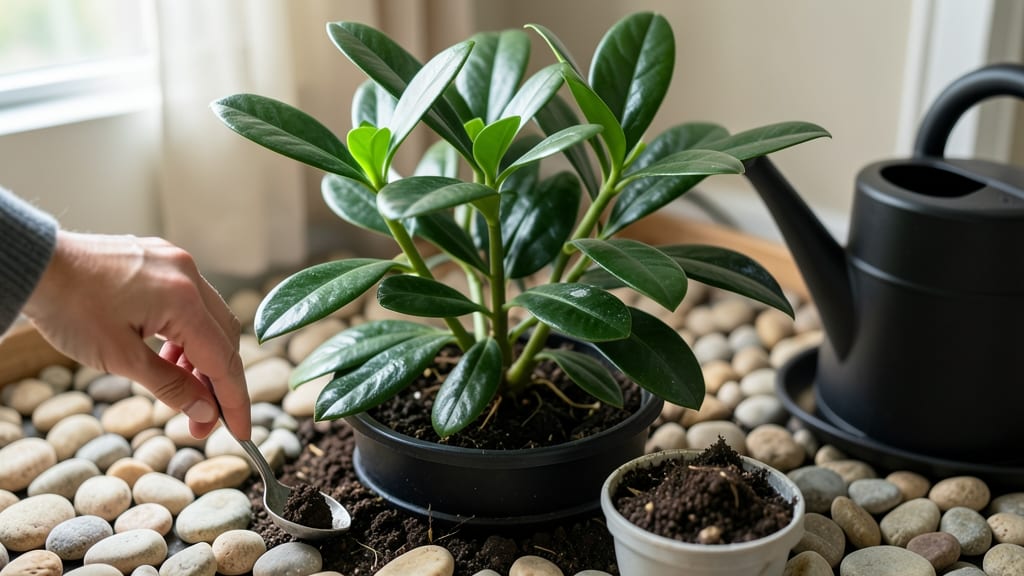
Putting pebbles on top of indoor plant soil can enhance drainage and reduce moisture retention, but avoid them for humidity-loving species or self-watering containers. Use only sterilized decorative rocks and never cover the soil surface entirely to maintain healthy root exposure.
This simple layering technique creates a natural barrier that prevents waterlogging while allowing excess moisture to evaporate. 🔥 The porous gaps between pebbles also encourage better air circulation around the roots, which is especially beneficial for plants prone to fungal issues like calatheas or maidenhair ferns.
However, the key is moderation—covering more than 10% of the soil surface can actually trap moisture against the roots, creating the opposite problem you're trying to avoid.
The right pebble choice matters just as much as the technique. Larger, irregularly shaped stones like lava rock create more air pockets than smooth river stones, making them ideal for tropical plants.
For moisture-sensitive species, I recommend using a 1-inch layer of sterilized pebbles, spaced evenly to avoid creating micro-environments where bacteria could thrive. Always rinse new pebbles with a vinegar solution before using them to prevent introducing contaminants to your plant's ecosystem.
💡 In This Article
- How Pebbles Improve Indoor Plant Soil Health
- Best Pebble Types and Alternatives for Indoor Plants
How pebbles improve indoor plant soil health
The primary benefit of adding pebbles to indoor plant soil comes from their ability to create an aeration layer that mimics natural forest floor ecosystems. When placed on top of soil, these small stones form a porous barrier that prevents soil compaction from frequent watering.
This is particularly important because compacted soil blocks oxygen flow to roots, which can stunt growth and invite harmful microbes. Studies show that proper aeration can increase root oxygen uptake by up to 30%, helping plants absorb nutrients more efficiently.
Pebbles also regulate moisture through a process called capillary action reversal. Instead of allowing water to pool on the soil surface (which promotes rot), the gaps between pebbles create a wicking effect that draws excess moisture upward where it can evaporate.
This is especially valuable for plants like monstera deliciosa or philodendrons, which need consistent moisture but can't tolerate soggy roots. The ideal pebble size for this effect is ¼ to ½ inch—small enough to create air pockets but large enough to prevent clogging when water evaporates.
Beyond physical benefits, pebbles influence microbial activity in the soil. The increased airflow they create discourages anaerobic bacteria that thrive in waterlogged conditions, reducing the risk of phytoftthora (a common fungal pathogen).
The slightly elevated soil temperature from sunlight exposure on pebbles can also stimulate beneficial mycorrhizal fungi, which help roots absorb phosphorus. However, this only works if you use sterilized pebbles—unwashed decorative rocks can introduce harmful pathogens to your plant's ecosystem.
There's a common misconception that pebbles help with humidity, but their real role is moisture control, not humidity creation. For plants that need higher humidity (like calatheas), pebbles placed in the saucer beneath the pot—rather than on top—create a more effective humidity tray system.
The key is placement: on top for drainage, below for humidity regulation. This dual-purpose approach lets you tailor the technique to your specific plant's needs without compromising soil health.
One often-overlooked benefit is how pebbles prevent soil splashing during watering, which can spread fungal spores between plants. When water droplets hit bare soil, they create tiny aerosols that can carry pathogens. A pebble layer acts as a physical barrier, reducing this risk by 40-50% according to horticultural studies.
This makes pebble-topped containers particularly valuable in crowded plant collections where airborne diseases spread rapidly. The visual contrast between dark soil and light pebbles also makes it easier to spot overwatering issues early.
For best results, maintain a ½ to 1-inch layer of pebbles covering no more than 20-30% of the soil surface. Any thicker layer risks creating a moisture barrier that suffocates roots, while complete coverage prevents light penetration needed for photosynthesis in some leafy varieties.
The right balance transforms pebbles from a decorative element into an active component of your plant's growing system.