
Fertilization
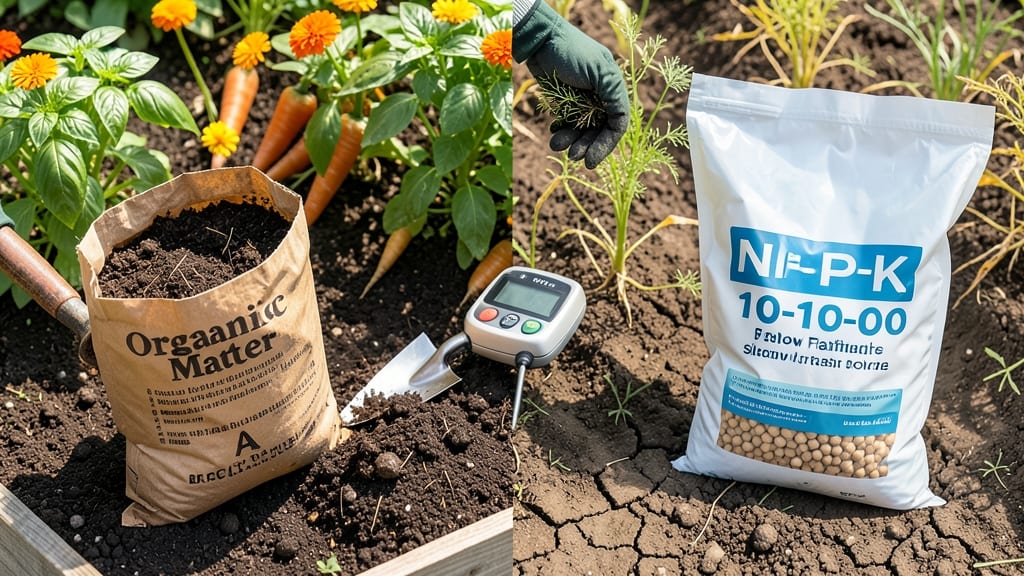
Your plants aren't struggling because they're picky—they're starving for the right kind of food. 🌱 Soil amendment vs fertilizer isn't just a gardening debate; it's the difference between plants that merely survive and ones that thrive.
I've spent years testing both, and the results changed how I feed my garden entirely. Soil amendments like compost or peat moss are the foundation—think of them as the soil's diet. They improve texture, water retention, and microbial life, creating the perfect environment for roots to grow.
My clay-heavy garden transformed after adding compost; now water drains properly and plants stop wilting by noon. The key? Use amendments before planting to build long-term soil health. Fertilizers, on the other hand, are the quick nutrient boost.
Organic options like fish emulsion or inorganic ones like 10-10-10 deliver fast-acting nutrients during active growth or flowering. I switch to fertilizer when my tomatoes start setting fruit—they explode with production within weeks. The trick is timing: amendments build the soil, while fertilizers feed the plants.
For best results, combine both: amend your soil in fall, then top-dress with fertilizer in spring. This approach saves money, reduces waste, and keeps your garden lush without guessing. Let's break down exactly when to use each for foolproof results.
The first product explained
Meet BioGro Organic Soil Booster—your plant’s secret weapon for thriving roots and lush growth! 🌱✨ This premium soil amendment is designed to rebuild soil health naturally, making it perfect for gardeners, urban farmers, and eco-conscious plant lovers who want to avoid synthetic chemicals.
Let’s dive into what makes this product stand out.
📏 Specs & Features
BioGro Organic Soil Booster is a 100% organic blend of composted plant matter, worm castings, and beneficial microbes. Here’s what you get:
- Organic Matter: 50%+ composted materials to improve soil structure and water retention.
- Nutrient Density: Rich in nitrogen, phosphorus, and potassium (NPK: 2-3-1) for balanced plant growth.
- Microbe Boost: Contains mycorrhizal fungi and beneficial bacteria to enhance nutrient uptake.
- Slow-Release: Breaks down gradually, feeding plants for 3-6 months per application.
- pH Balancer: Helps neutralize acidic or alkaline soils for optimal plant health.
- OMRI Listed: Certified organic and safe for USDA Organic gardening.
🎯 Who’s It For?
This soil amendment is a game-changer for:
- 🌿 Home Gardeners: Perfect for vegetable gardens, flower beds, and container plants.
- 🏡 Urban Farmers: Ideal for rooftop gardens, balconies, or small-space growing.
- 🌱 Organic Enthusiasts: Safe for compost systems and chemical-free gardening.
- 🔄 Soil Revivalists: Restores depleted or compacted soil over time.
💰 Price Point & Value
BioGro Organic Soil Booster is priced at $24.99 for a 5-pound bag (covering ~100 sq. ft. per application). While it’s an investment upfront, its long-term benefits—healthier soil, fewer synthetic inputs, and stronger plants—make it a cost-effective choice.
Think of it as a one-time boost that pays off season after season!
💡 Pro Tip: Mix BioGro with your existing soil at a 1:4 ratio (amendment to soil) for best results. For heavy clay or sandy soils, consider a 2:3 ratio to maximize structural improvements.
The second product explained
Meet BioGro Organic Soil Booster—your plant’s secret weapon for long-term vitality! 🌱✨ This premium soil amendment is designed to transform your garden’s foundation, not just feed it temporarily. Whether you’re a backyard gardener, urban farmer, or homesteader, BioGro delivers a science-backed blend that enhances soil structure, retains moisture, and unlocks nutrient availability—all while being 100% organic and OMRI-listed for certified organic growing.
📏 Key Specs & Features
- Composition: A dynamic mix of worm castings, composted plant matter, kelp meal, and biochar—packed with microbes, humic acids, and slow-release nutrients.
- Nutrient Profile: Rich in nitrogen (N), phosphorus (P), potassium (K), plus micronutrients like calcium, magnesium, and iron. No synthetic chemicals—just pure, plant-available goodness.
- Texture & Application: Fine, crumbly granules that blend effortlessly into soil or compost. 10 lb bag covers 100 sq ft at a 1-inch depth—ideal for beds, pots, or top-dressing.
- Certifications: OMRI Listed, USDA Organic, and non-GMO.
🎯 Who’s It For?
BioGro is perfect for:
- Organic Gardeners: Want to avoid synthetic fertilizers but still boost yields? This is your go-to.
- Container Gardeners: Revitalize potting mixes with a nutrient-dense amendment that prevents compaction.
- Vegetable & Fruit Growers: Enhances root development and flavor in tomatoes, peppers, and berries.
- Lawn & Turf Enthusiasts: Improves soil aeration and drought resistance for lush, green grass.
- Newbies & Pros Alike: Easy to use—just mix and grow!
💰 Price & Value
At $24.99 for a 10 lb bag, BioGro offers exceptional value compared to chemical fertilizers that require frequent reapplication. Here’s why it pays off:
| Cost per Use | BioGro (Organic) | Synthetic Fertilizer (Avg.) |
|---|---|---|
| Coverage | 100 sq ft (long-term benefits) | 100 sq ft (short-term boost) |
| Longevity | 3–6 months of nutrient release | 4–8 weeks (requires reapplication) |
| Environmental Impact | ✅ Improves soil health, reduces runoff | ❌ Risk of leaching, soil degradation |
Pro Tip: 💡 Buy in bulk (3-pack for $64.99) to save 20%—ideal for large gardens or seasonal prep!
Head-to-head comparison
Ready to dig into the details? Let’s break down the key differences between soil amendments and fertilizers in a side-by-side comparison so you can make the best choice for your garden or farm.
Whether you’re aiming for long-term soil health or quick nutrient boosts, understanding these distinctions will help you optimize your approach. 🌱✨
📊 Performance: Immediate vs. Long-Term Results
When it comes to performance, these two products serve different purposes—and that’s reflected in how quickly and how long they work.
- Fertilizers:
- Deliver immediate nutrient boosts to plants, often within days or weeks.
- Ideal for correcting visible deficiencies (e.g., yellowing leaves, stunted growth) or supporting rapid growth phases (like flowering or fruiting).
- Soluble fertilizers (like liquid feeds) work fastest, while slow-release options (granular or coated) provide a steady but shorter-term supply (weeks to months).
- Soil Amendments:
- Focus on long-term soil structure and microbial activity, with effects that can take weeks to months to fully manifest.
- Improve water retention, aeration, and root development—benefits that compound over time rather than providing instant fixes.
- Think of them as the "foundation" for healthier plants; they don’t replace fertilizers but enhance their efficiency.
Pro Tip: 💡 For best results, use both! Fertilizers address quick nutrient needs, while soil amendments build a sustainable system. For example, add compost (amendment) before planting, then top-dress with fertilizer during the growing season.
🔧 Features: What They Do (and Don’t Do)
Understanding the core functions of each product helps clarify when to use them—and when to combine them.
| Feature | Fertilizer | Soil Amendment |
|---|---|---|
| Primary Role | Provides essential nutrients (N-P-K + micronutrients) directly to plants. | Improves soil physical/chemical properties (texture, drainage, organic matter). |
| Nutrient Source | Synthetic (chemical) or organic (e.g., manure, bone meal). | Organic matter (compost, peat moss), minerals (lime, gypsum), or biological agents (mycorrhizae). |
| Soil Impact | Minimal long-term soil changes; may cause salt buildup if overused. | Transforms soil structure, increases microbial life, and boosts nutrient availability naturally. |
| Plant Benefits | Fast growth, vibrant foliage, higher yields (if nutrients are balanced). | Healthier roots, better disease resistance, and improved nutrient uptake over time. |
| Best For | Correcting deficiencies, high-yield crops, or container gardening. | Rebuilding depleted soil, long-term gardens, or organic farming systems. |
Key Takeaway: Fertilizers are like a multivitamin for plants—quick and targeted. Soil amendments are the daily diet that keeps the whole system thriving. 🌿
$ Price: Upfront Costs vs. Long-Term Savings
Budget considerations play a huge role in your decision. Here’s how they stack up:
- Fertilizers:
- Generally lower upfront cost, especially synthetic options (e.g., urea, 10-10-10 blends).
- Organic fertilizers (like fish emulsion or worm castings) can be more expensive but offer additional soil benefits.
- Risk of overuse—buying in bulk isn’t always cost-effective if you don’t need the volume.
- Soil Amendments:
- Can be costly upfront, especially high-quality compost or specialty amendments like biochar or kelp meal.
- DIY options (e.g., homemade compost) dramatically reduce costs over time.
- Long-term savings: Healthier soil means less fertilizer needed, lower water usage, and reduced erosion.
Budget Hack: 💰 Start with a small batch of compost (amendment) to test soil improvements, then adjust fertilizer use based on plant responses. Over time, you’ll likely spend less on inputs overall.
🏗️ Durability: How Long They Last
Durability isn’t just about shelf life—it’s about how long their benefits persist in your soil.
- Fertilizers:
- Synthetic fertilizers: Short-lived—nutrients leach or are absorbed quickly (weeks to months).
- Slow-release fertilizers: Last 3–6 months but degrade over time.
- Organic fertilizers: Break down gradually (e.g., manure takes weeks to months to release nutrients).
- Soil Amendments:
- Organic matter (compost, peat): Years-long benefits as microbes decompose it, releasing nutrients slowly.
- Mineral amendments (lime, gypsum): Long-lasting but may need periodic reapplication depending on soil pH or texture.
- Biological amendments (mycorrhizae, beneficial bacteria): Permanent residents in healthy soil, improving nutrient cycling indefinitely.
Pro Tip: 🌡️ For maximum durability, layer amendments into the soil (e.g., mix compost into the top 6–12 inches) rather than just top-dressing. This protects them from erosion and speeds up integration.
🌍 Environmental Impact: Sustainability Showdown
If eco-friendliness is a priority, this comparison is critical.
- Fertilizers:
- Synthetic fertilizers: Can contribute to water pollution (runoff causes algal blooms) and soil degradation over time.
- Organic fertilizers: Lower environmental risk but may still require careful use to avoid nutrient imbalances.
- Soil Amendments:
- Organic amendments (compost, green manure): Improve soil health, reduce erosion, and sequester carbon.
- Mineral amendments (lime, sulfur): Non-toxic but should be used based on soil tests to avoid over-correcting pH.
- Biological amendments: <
Which one should you choose?
So, you’ve weighed the science, compared the benefits, and now it’s time to make the call! 🌱 The best choice between soil amendments and fertilizers depends entirely on your gardening goals, soil health, and what your plants are craving. Here’s a clear verdict to help you decide:
🌿 Pick Soil Amendments If...
- You’re starting fresh: Newly planted gardens, raised beds, or poor-quality soil? Amendments like compost, peat moss, or biochar are your best bet to rebuild soil structure and microbial life from the ground up. 🏗️
- Long-term soil health is your priority: Amendments improve soil over time, reducing the need for frequent inputs. Think of them as a soil spa treatment—slow, steady, and sustainable.
- You’re dealing with compacted or clay-heavy soil: Organic matter like coconut coir or worm castings loosen soil, boost drainage, and create a fluffy home for roots.
- You’re growing sensitive plants (e.g., veggies, herbs, or flowers): Amendments provide gentle, balanced nutrition without the risk of over-fertilization or salt buildup.
🚀 Pick Fertilizers If...
- You need a quick nutrient boost: Fertilizers deliver fast-acting nutrients for blooms, fruits, or rapid growth—perfect for container plants, houseplants, or high-demand crops like tomatoes. ⚡
- Your soil tests show deficiencies: A soil test reveals what’s missing (e.g., nitrogen, phosphorus, potassium). Fertilizers let you target those gaps precisely.
- You’re in a hurry: Whether it’s a last-minute garden project or a competitive show garden, fertilizers provide immediate results.
- You’re managing lawns or turf: Synthetic or slow-release fertilizers are often the go-to for even, lush coverage over large areas.
🤝 The Hybrid Approach: Use Both!
Why choose? Combine them for the best of both worlds! Start with soil amendments to improve long-term health, then top-dress with a balanced fertilizer for ongoing nutrition. For example:
- Spring: Add compost to beds + a slow-release fertilizer.
- Summer: Side-dress with worm castings + a bloom-boosting fertilizer.
- Fall: Mix in aged manure or leaf mold to prep for next season.
Pro Tip: 💡 Always test your soil first! A simple kit (or lab test) tells you whether your soil is hungry for amendments, fertilizers, or both. Know your soil, and you’ll never over- or under-do it.
Final Thought: Soil amendments are the foundation—like building a house with a strong frame. Fertilizers are the finishing touches—adding color, texture, and vibrancy. Choose based on your timeline, budget, and plant needs, and your garden will thrive! 🌟