
Fertilization
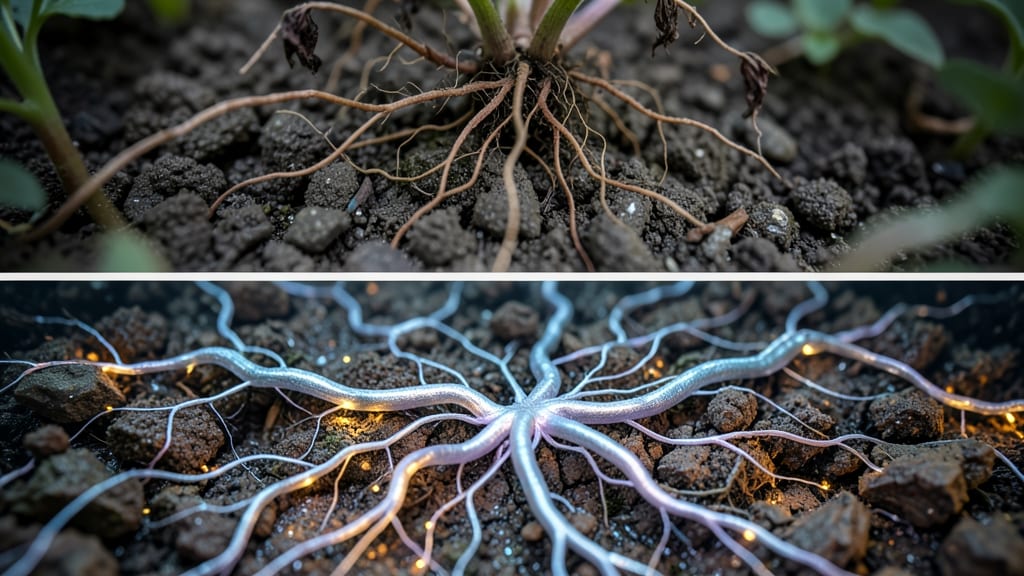
Struggling with lackluster blooms in your flower beds? The right soil amendments can transform your garden from mediocre to magnificent. These 10 science-backed organic mixes improve drainage, fertility, and microbial activity—without breaking the bank or harming the environment.
Composted Cow Manure for Nutrient-Dense Soil
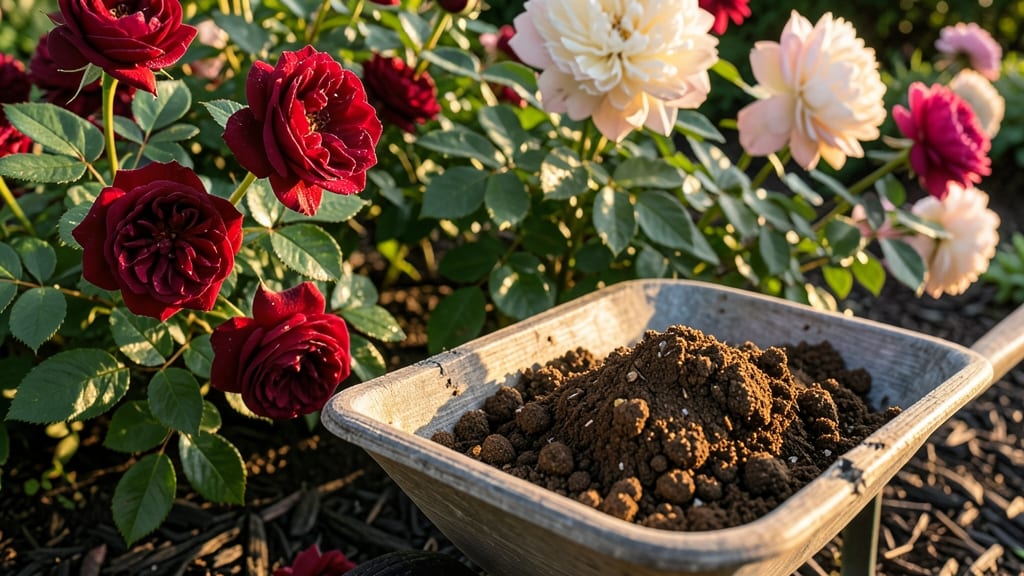
Want your roses and peonies to explode with color this season? Composted cow manure is the secret weapon you’ve been missing—packed with nitrogen and phosphorus to fuel explosive root growth and lush foliage. Unlike fresh manure, this aged version breaks down safely, releasing nutrients over time without burning delicate roots.
Work it into your flower beds in early spring or fall, mixing it into the top 6-12 inches of soil. Aim for 1-2 inches per square foot—just enough to boost fertility without overwhelming your plants. Gardeners swear by it for reviving tired beds, and its rich texture improves soil structure too. Perfect for heavy feeders like hydrangeas and dahlias, it’s also a budget-friendly alternative to synthetic fertilizers.
If you’ve struggled with nutrient-deficient soil, this is your chance to give your blooms the nutrient boost they crave. 🌻
Biochar for Long-Lasting Carbon Sequestration
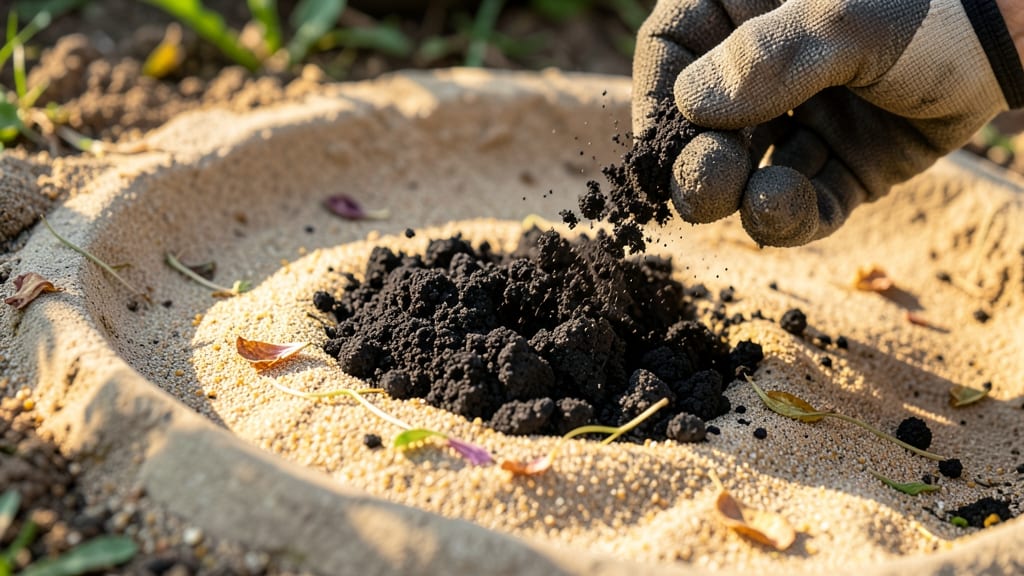
If your flower beds struggle to retain moisture or thrive in sandy soils, biochar might be your secret weapon. This charcoal-like amendment doesn’t just improve soil structure—it locks away carbon for years while creating tiny pores that hold water like a sponge. Unlike compost, which breaks down quickly, biochar stays effective for decades.
Made from plant waste heated in low-oxygen conditions, biochar boosts microbial activity and helps roots access nutrients more efficiently. Mix 1-2 cups per square foot into your flower beds, especially in drought-prone areas or sandy soils where water drains too fast. It’s also a game-changer for container gardens where moisture control is critical. Just avoid overdoing it—too much can make soil too alkaline for acid-loving plants.
Perfect for gardeners who want long-term soil health without synthetic fertilizers, biochar is especially valuable in climate-resilient gardens. 💚
Worm Castings for Gentle Microbial Boost
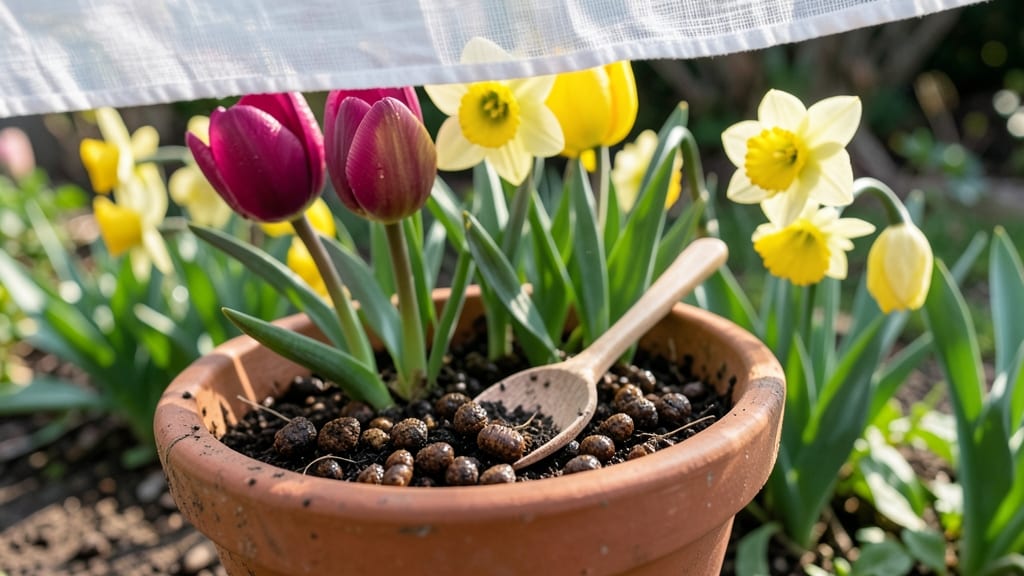
If your tulips and daffodils struggle to thrive despite your best efforts, worm castings might be the secret weapon you’ve overlooked. Unlike harsh chemical fertilizers, these nutrient-rich crumbles teem with beneficial microbes and enzymes that gently nourish roots while improving soil structure—perfect for delicate spring bloomers.
Work a 1- to 2-inch layer of worm castings into the top 6 inches of soil before planting, or top-dress established beds in early spring. The balanced NPK ratio (1-0-0) provides slow-release nutrients without risking root burn, making it ideal for bulbs and perennials. Plus, the castings improve water retention, reducing stress during dry spells.
Urban gardeners and beginners will love this low-maintenance amendment—just avoid overdoing it, as too much can create a soggy mess. Your flowers will reward you with healthier blooms and longer vase life. 🌱
Pine Needle Mulch for Acid-Loving Blooms
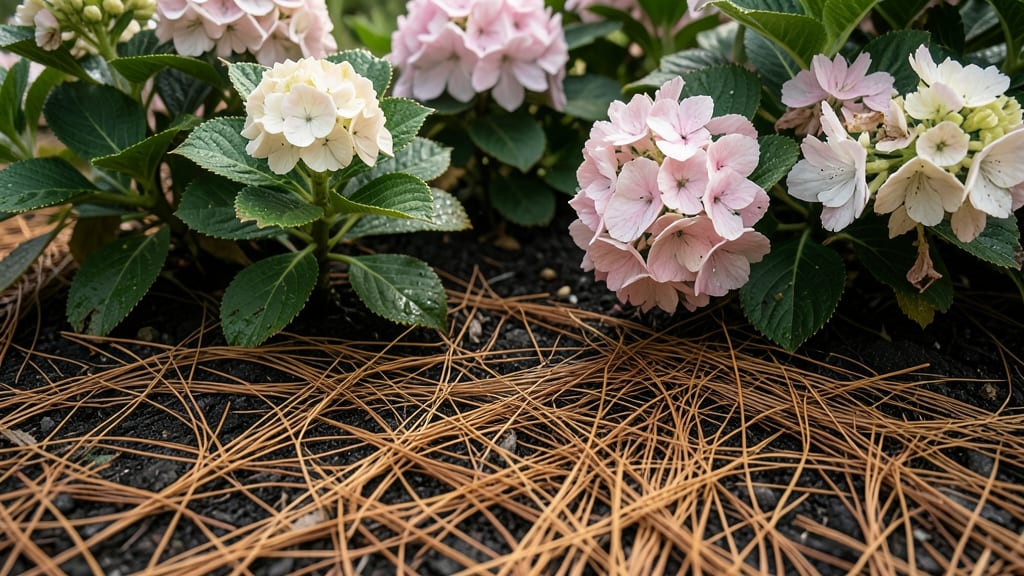
If your hydrangeas or azaleas are struggling to thrive, pine needle mulch might be your secret weapon. This natural, slow-releasing amendment gently lowers soil pH over time, creating the ideal acidic environment for acid-loving plants without harsh chemicals.
Spread a 2-3 inch layer of fresh or slightly aged pine needles around your plants in early spring or fall. The needles break down gradually, releasing organic acids that lower pH by 1-2 points over a season. This method works best for woodland gardens or containers where you can control the mulch layer. Just avoid using treated pine needles from landscaping services, as they may contain harmful chemicals.
Perfect for gardeners who want to avoid synthetic soil acidifiers, pine needle mulch also suppresses weeds and retains soil moisture. It’s especially valuable for blueberry bushes and rhododendrons that demand acidic conditions to flourish. 🌿
Kelp Meal for Trace Mineral Richness
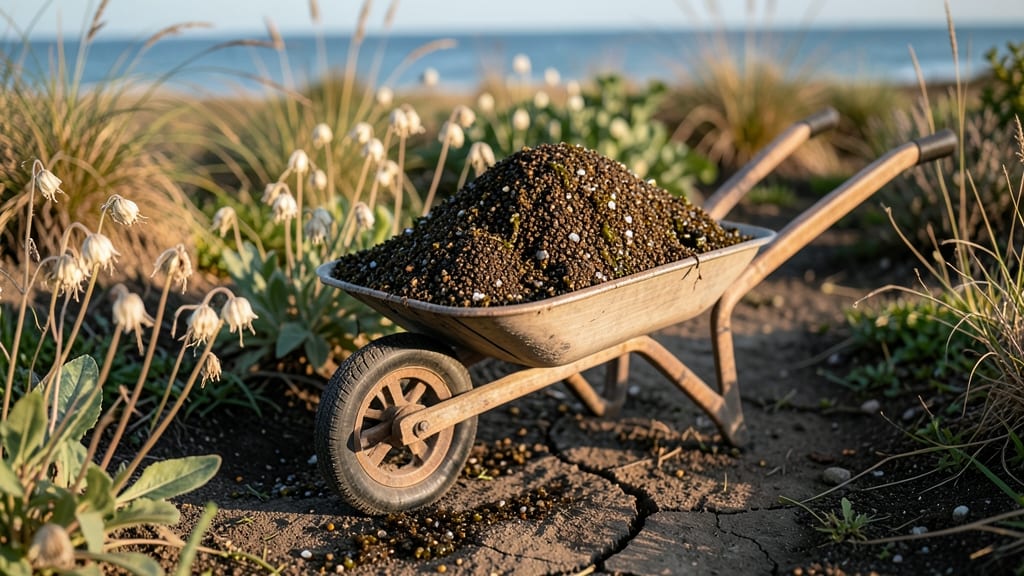
If your flower beds are struggling with weak stems or pale blooms, kelp meal could be the secret weapon you’ve been missing. This ocean-derived amendment delivers a concentrated dose of potassium and magnesium, two minerals often lacking in mineral-deficient soils or coastal gardens where nutrients wash away quickly.
Sprinkle 1-2 tablespoons per plant into the root zone during planting or top-dress established flowers in spring and fall. The minerals strengthen cell walls for sturdier stems and deepen flower colors—think richer blues in hydrangeas or more vibrant reds in roses. It’s especially valuable for drought-prone gardens, as kelp also boosts drought resistance by improving water retention.
Coastal gardeners and those with sandy or nutrient-leached soils will see the most dramatic results. For best impact, mix kelp meal with compost before planting or apply it as a side-dressing. Your flowers will thank you with stronger growth and showier blooms. ✨
Peat Moss for Moisture-Retentive Beds
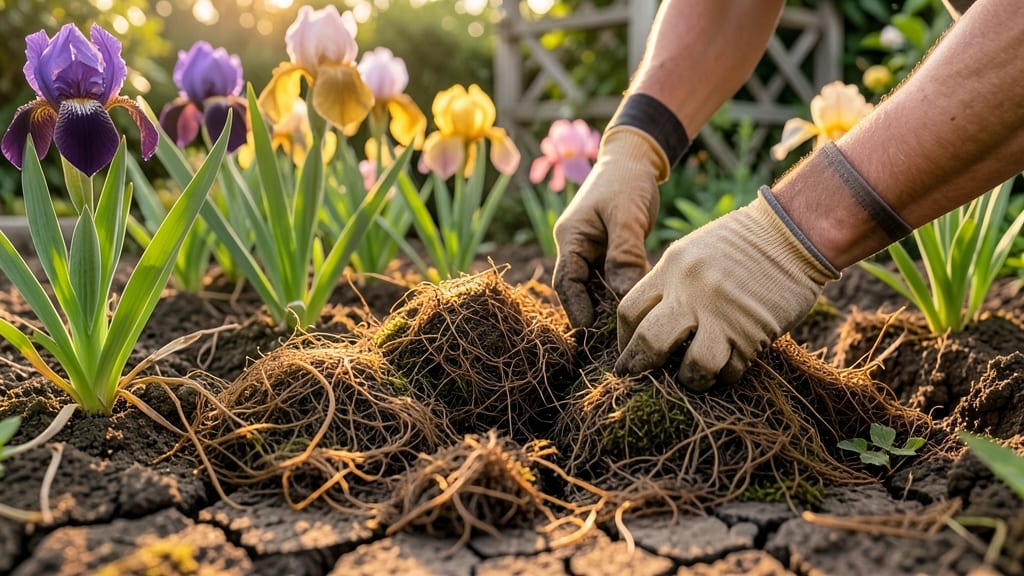
If your flower beds feel like concrete in summer heat, peat moss is the secret weapon for happy, hydrated roots. This fibrous organic matter acts like a sponge, absorbing and slowly releasing moisture while breaking up dense clay—perfect for water-loving perennials like irises and daylilies that wilt in dry spells.
Work it into your beds at a rate of 2-3 inches mixed into the top 6-12 inches of soil before planting. Unlike sand, it won’t wash away, and unlike compost, it won’t compact. For best results, pair it with composted cow manure (from Item #1) to balance its acidity while feeding thirsty blooms.
Gardeners in hot climates or with heavy clay soils will see the biggest difference—peat moss keeps roots cool and consistently moist, reducing stress on plants during peak summer. 💚
Oyster Shell Grit for Calcium-Deficient Gardens
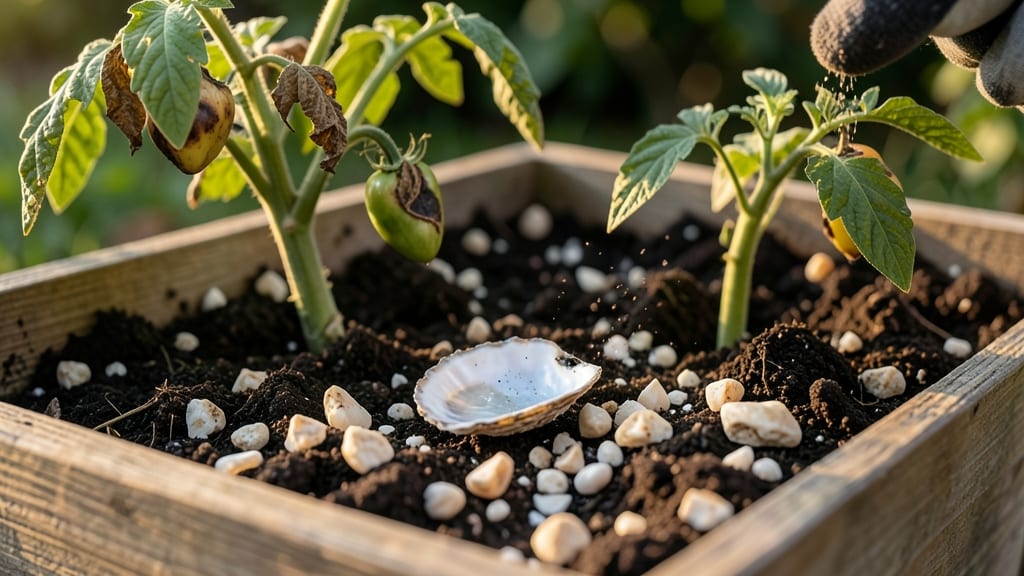
If your tomatoes and peppers keep developing blossom end rot despite your best watering efforts, oyster shell grit might be your secret weapon. This coastal garden staple doesn’t just add calcium—it slowly neutralizes acidic soils, creating the perfect balance for nutrient-hungry plants.
Simply sprinkle 1-2 cups per plant into the soil before planting or top-dress existing beds. The shells break down gradually, releasing calcium over months to strengthen cell walls and prevent fruit blemishes. Urban gardeners and container growers will love that it works in small spaces too—just mix it into potting soil at planting time.
This amendment is especially valuable for gardeners in acidic climates or those growing calcium-sensitive crops. With its dual action of soil pH adjustment and nutrient boost, it’s a must-have for anyone battling poor soil chemistry. 💚
Alfalfa Pellets for Nitrogen-Fixing Power
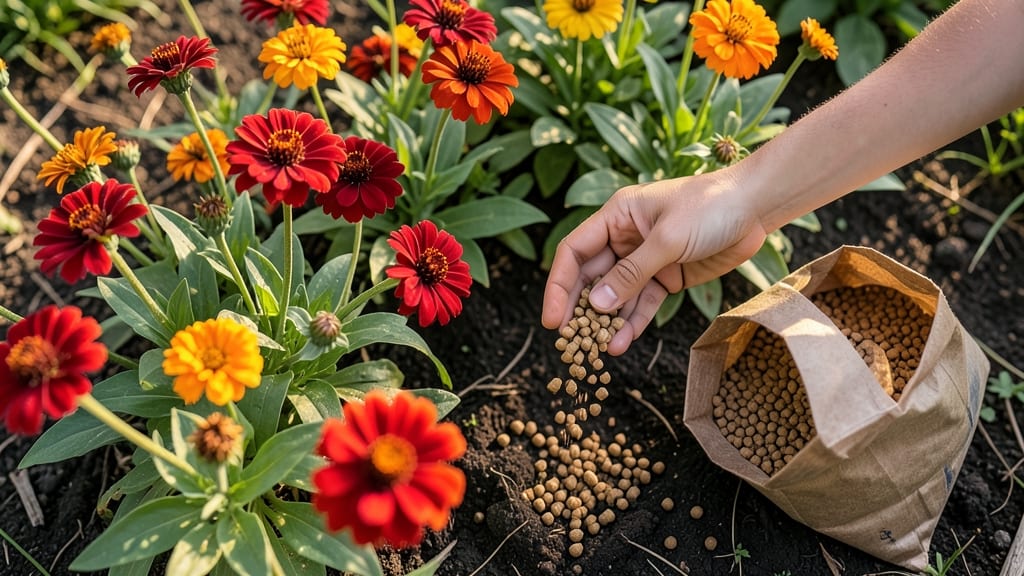
Tired of wilting zinnias or lackluster marigolds? Alfalfa pellets are your secret weapon for nitrogen-hungry annuals, delivering slow-release protein that keeps roots fed for months—not weeks. Unlike fast-acting fertilizers, these pellets break down gradually, preventing nutrient spikes that burn tender blooms.
Sprinkle 1-2 cups per 100 square feet into flower beds in early spring, then lightly scratch into the top inch of soil. The high-protein content (up to 20% protein!) mimics legume roots' natural nitrogen-fixing process, making them ideal for container gardens or raised beds where soil nutrients deplete quickly. Pair them with compost for a powerhouse combo.
Urban gardeners and beginners will love how alfalfa pellets simplify feeding—just add and forget. Your zinnias and marigolds will reward you with bigger, brighter blooms all season long. 🌻
Sand for Drainage in Compacted Soils
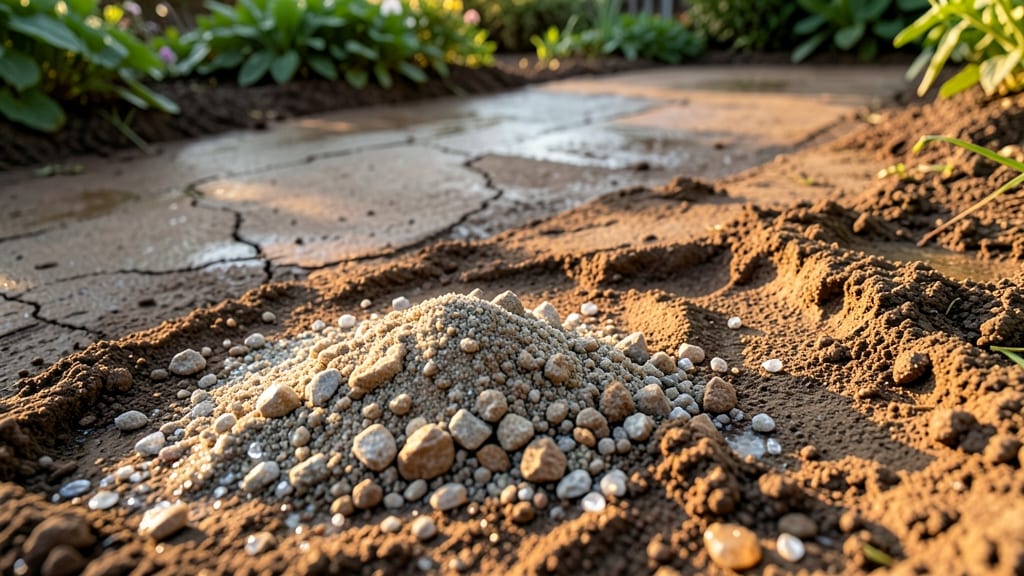
If your flower beds feel like concrete after a rainstorm, coarse horticultural sand is your secret weapon against waterlogged roots. Unlike fine beach sand, this gritty amendment creates air pockets that let excess water drain while keeping nutrients in place—perfect for clay-heavy soils or urban gardens where compaction is inevitable.
Work 1-2 inches of sand into the top 6-8 inches of soil before planting bulbs like tulips or perennials such as peonies. For existing beds, mix it into the top layer during spring or fall when soil is workable. The key is to use coarse sand (not playground sand)—its larger particles won’t clump and will prevent future rot. Urban gardeners will love how this amendment mimics natural drainage layers found in forests.
This amendment is especially valuable for water-sensitive plants that struggle in soggy conditions. It’s the ultimate fix for gardens where rain or poor drainage leaves roots gasping for air. 💡
Mycorrhizal Fungi Inoculant for Root Networks

If your perennials look stressed despite your best efforts, mycorrhizal fungi inoculant might be the missing link. This microscopic powerhouse forms a natural partnership with plant roots, creating an underground superhighway for water and nutrients—ideal for poor, compacted, or nutrient-depleted soils.
Simply mix the powder or granules into the soil during planting or water it in as a liquid. It thrives in moderate moisture and works best with perennials like lavender, coneflowers, and hostas. The best part? It lasts for years, continuously boosting root health without synthetic chemicals. Perfect for gardeners dealing with urban soils or clay-heavy beds.
Think of it as a silent garden helper—no visible effort, just stronger, more resilient plants that bounce back from drought or poor conditions. 💚