
Tools
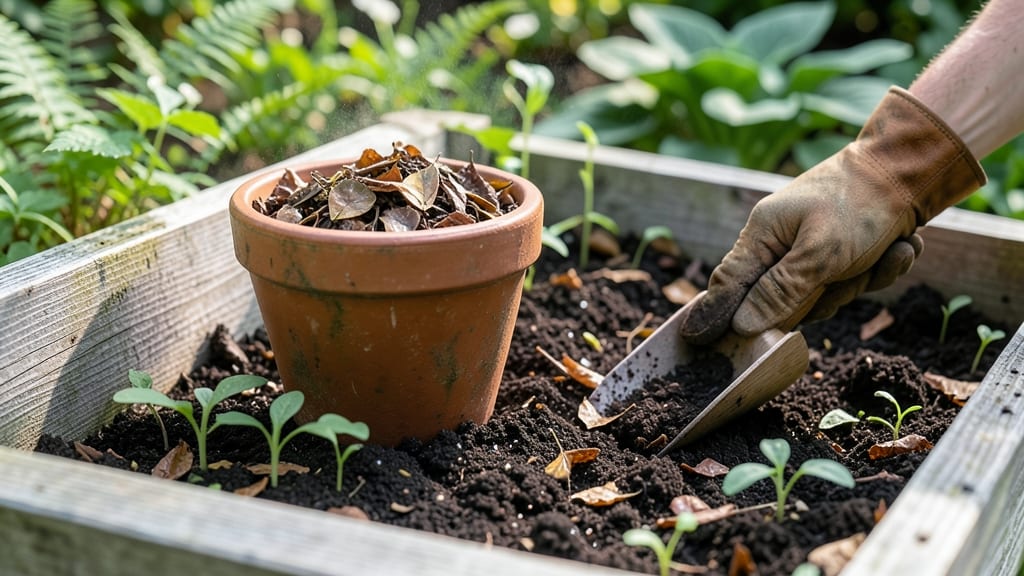
Struggling with poor soil in your raised garden beds? The right amendments can transform your planting area into a nutrient-rich haven for plants. These 10 proven additives will improve drainage, fertility, and root growth—without breaking the bank.
Composted Cow Manure for Immediate Nutrients
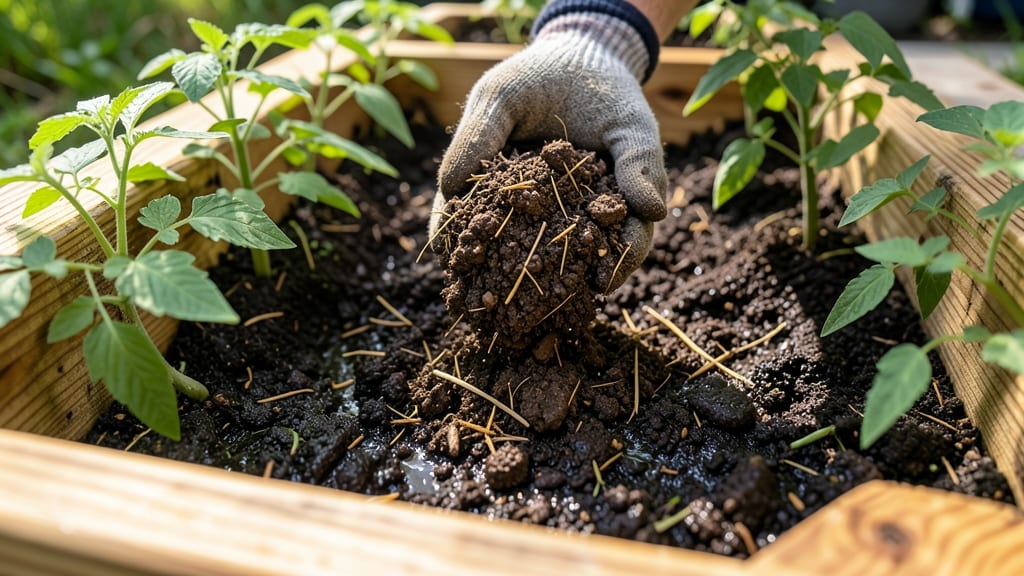
Looking for a fast-acting fertilizer that turns lackluster soil into a nutrient powerhouse? Composted cow manure delivers a balanced trifecta of nitrogen, phosphorus, and potassium—perfect for heavy-feeding plants like tomatoes and peppers that demand constant nourishment.
Unlike fresh manure, which can burn roots, this aged version breaks down quickly while enriching soil structure. Mix 2–3 inches into your raised bed before planting or top-dress established plants mid-season. For best results, apply in early spring or after harvest to give roots time to absorb nutrients without stress.
This is the go-to amendment for gardeners who want visible results fast—ideal for containers, vegetable beds, or any space where plants need a quick energy boost. 🌱
Worm Castings for Gentle Soil Enrichment
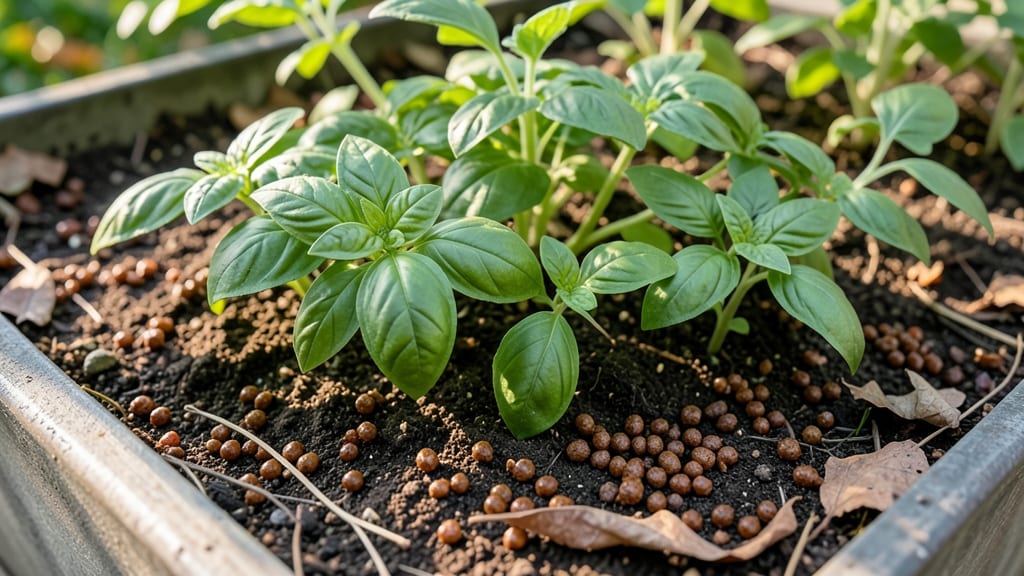
If your raised beds are home to delicate herbs like basil or fragile seedlings, worm castings are your secret weapon. Unlike fast-acting amendments, they feed plants steadily over time, creating a gentle nutrient boost that won’t overwhelm tender roots or disrupt soil chemistry.
Made from decomposed worm waste, these dark, crumbly granules contain balanced nitrogen, phosphorus, and potassium along with beneficial microbes. Mix 1-2 cups per square foot into the top 6 inches of soil before planting, or top-dress existing beds. They’re especially valuable for organic gardeners since they’re chemical-free and improve soil structure without altering pH levels.
This makes them ideal for container gardens, seed-starting mixes, or any space where you’re nurturing young plants. 🌱
Biochar for Long-Term Carbon Retention
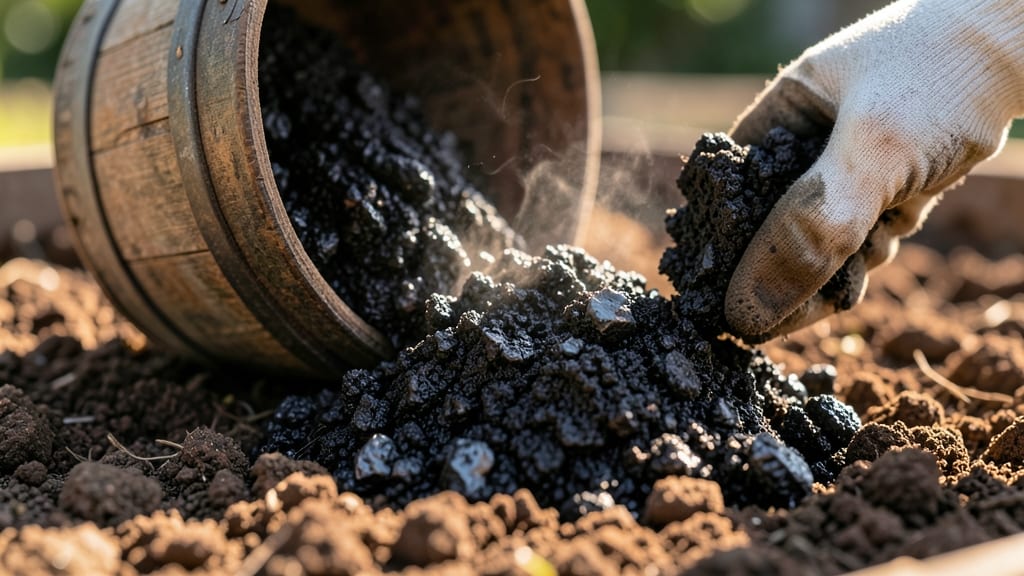
If your raised bed soil drains too quickly or struggles to hold moisture, biochar could be your game-changer. This porous, charcoal-like material doesn’t just retain water—it also creates a thriving ecosystem for beneficial microbes, mimicking the natural benefits of wildfire charcoal.
Made from heated wood or plant waste in a low-oxygen environment, biochar improves soil fertility by locking in nutrients and carbon over time. Mix 10-20% by volume into your raised bed soil before planting—it’s especially effective in sandy soils or drought-prone areas where water evaporates quickly. The result? Healthier roots, reduced watering needs, and a long-term boost to your soil’s organic matter.
Perfect for gardeners who want a low-maintenance way to build soil resilience, biochar works quietly in the background. Just avoid using it in acidic soils or with fresh manure, as it can create harmful ammonia buildup. 💚
Peat Moss for Acid-Loving Plants
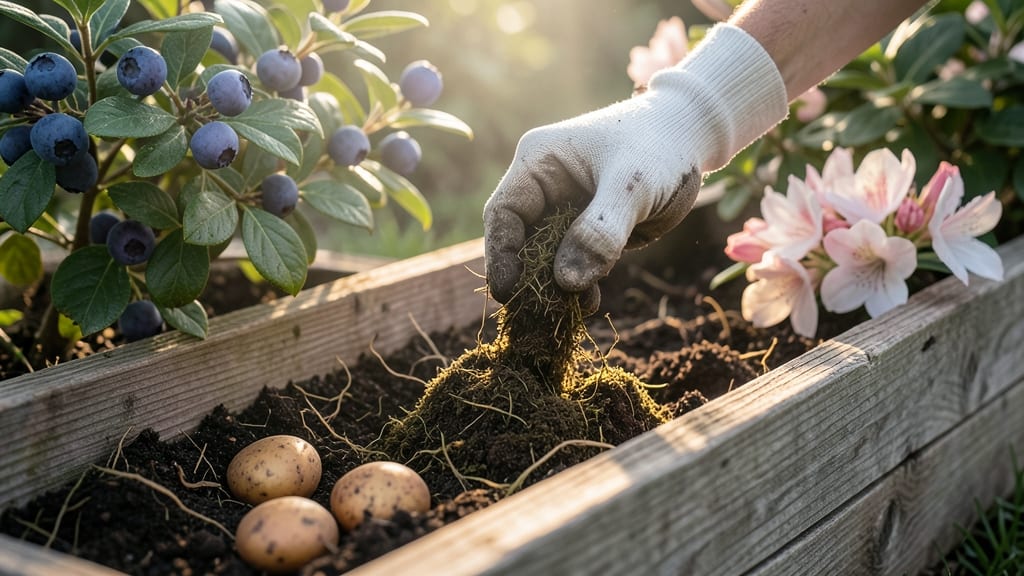
If your raised beds are home to blueberries, azaleas, or potatoes, you need peat moss—this organic amendment is the secret weapon for acid-loving plants. Unlike other amendments, it doesn’t just add nutrients; it lowers soil pH (ideal for plants that thrive in acidic conditions) while improving water retention in heavy, clay-like soils.
Mix 1-2 inches of peat moss into the top 6 inches of soil before planting, but avoid overdoing it—too much can compact over time and reduce aeration. For potatoes, blend it into the soil to create a slightly acidic environment that prevents scab disease. It’s especially useful in raised beds with poor drainage, as it helps prevent waterlogging while keeping roots hydrated.
This is the go-to amendment for gardeners who grow acid-loving shrubs and berries—just don’t skip the occasional fluffing of the soil to maintain structure. 🌱
Coconut Coir for Sustainable Moisture Control
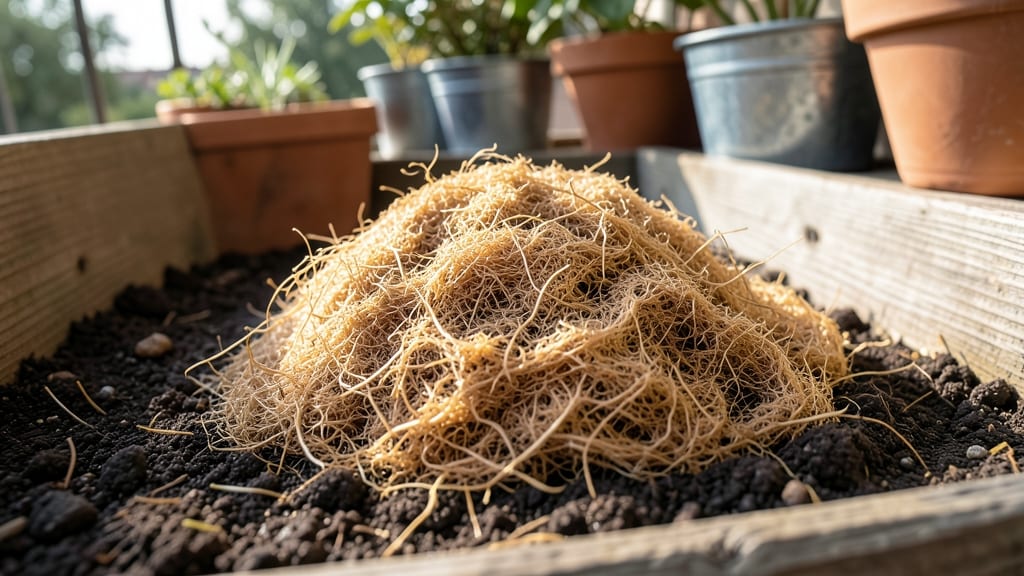
Tired of constantly watering your containers or watching drought stress your plants? Coconut coir is the game-changer you’ve been missing—this sustainable alternative to peat moss holds three times more water than coconut fiber while preventing compaction, making it ideal for urban balconies or arid climates.
Made from the fibrous husks of coconuts, coir breaks down slowly, releasing moisture gradually to roots while improving soil aeration. Unlike peat moss, it’s renewable and pH-neutral, so you won’t risk altering your soil chemistry. Mix it into potting soil at a 20-30% ratio for container gardens, or use it as a top dressing to reduce evaporation in drought-prone areas.
Perfect for eco-conscious gardeners, coir also works wonders for seed starting—its moisture retention keeps seedlings happy without the risk of overwatering. 🌱
Wood Ash for pH Adjustment
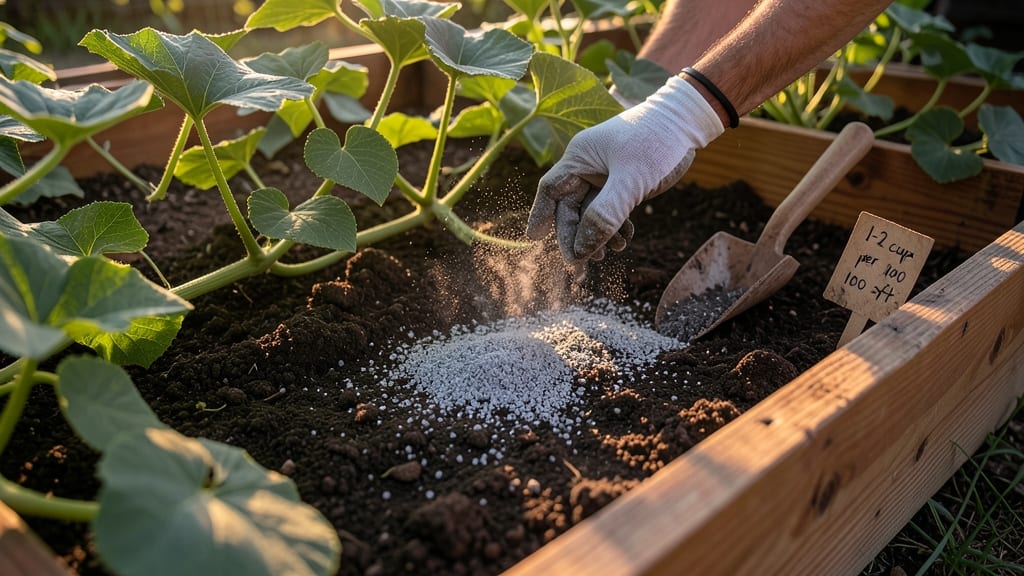
Tired of struggling with acidic soil that stunts your plants' growth? Wood ash is your secret weapon for a quick, natural pH boost—just what vegetables like squash, cucumbers, and melons crave to thrive.
Sprinkle 1-2 cups of wood ash per 100 sq ft into your raised bed and mix it lightly into the top 6 inches of soil. This fine, alkaline powder raises pH levels fast, but moderation is key—too much can create a harsh environment. Test your soil first to avoid overcorrecting, especially if you're growing acid-loving plants like blueberries or azaleas.
Perfect for gardeners who need a budget-friendly way to prep soil before planting, wood ash works best in spring or fall when you're refreshing your beds. Just avoid using it near nitrogen-fixing plants like beans or clover. 💚
Bone Meal for Phosphorus-Rich Growth
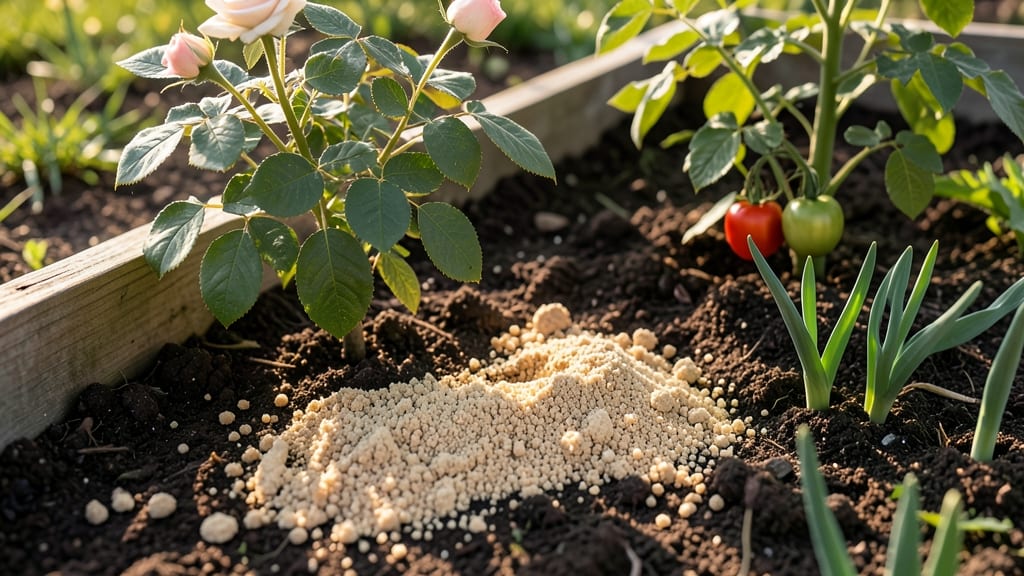
Want to supercharge your bulbs, roses, and fruiting vegetables without overdoing it? Bone meal is your secret weapon for phosphorus—this organic amendment triggers faster root growth and blooming while breaking down slowly over 3-6 months for steady nourishment.
Mix 1-2 tablespoons per plant into the soil at planting time or sprinkle lightly around established roots. It’s especially effective for spring bulb planting (like daffodils and tulips) and summer-flowering roses, where phosphorus fuels vibrant blooms. Avoid overapplying—too much can cause nutrient imbalances.
Perfect for gardeners who want long-term benefits without synthetic fertilizers, bone meal is a must-have for any raised bed focused on flowering or fruiting crops. 🌻
Sand for Improving Drainage
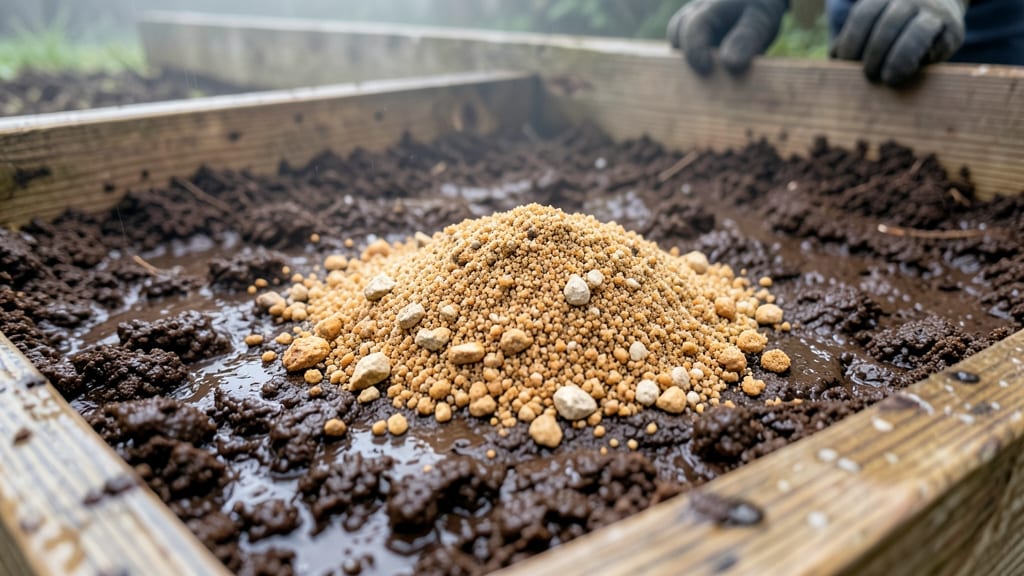
If your raised beds feel like soggy sponges after rain, coarse sand is your drainage superhero. This gritty amendment prevents soil compaction and waterlogging by creating air pockets, making it ideal for clay-heavy soils or beds with poor drainage. Unlike fine sand, which clumps, coarse sand (like builder’s sand) stays loose and effective.
Mix 1 part coarse sand with 2 parts soil before planting to improve aeration and root health. It’s especially helpful for root vegetables like carrots or heavy feeders such as squash, which struggle in waterlogged conditions. For best results, apply sand in the fall so it integrates naturally before spring planting.
Urban gardeners with limited space or heavy clay soils will see the biggest benefits—sand works fast and lasts for years. Just avoid overdoing it, as too much can wash away nutrients. 🌱
Kelp Meal for Trace Mineral Boost
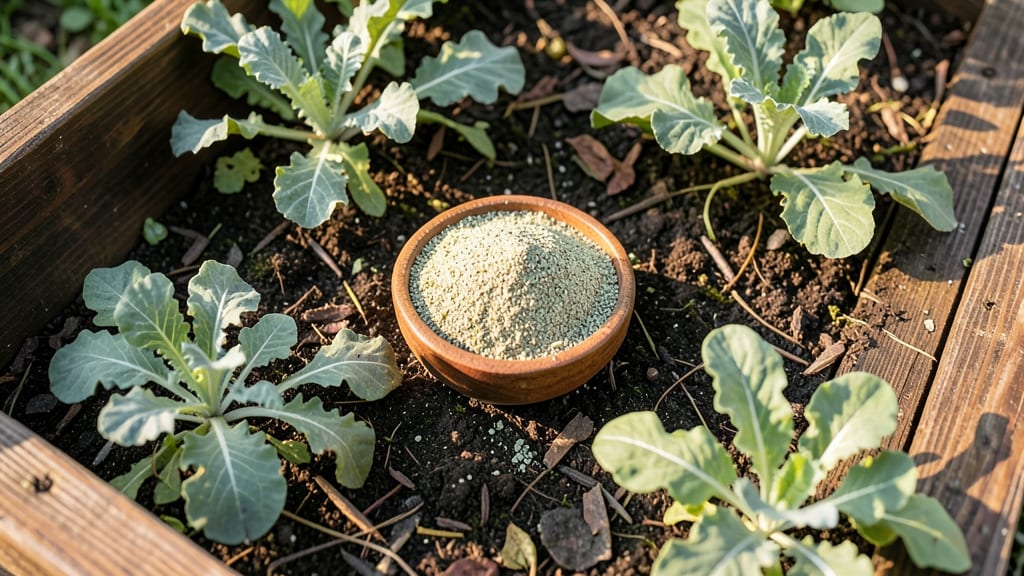
When your leafy greens look pale or your plants struggle to thrive, kelp meal is the unsung hero of trace minerals. This ocean-derived amendment delivers a powerhouse of iron, zinc, and magnesium—essential nutrients often missing in garden soils—without disrupting your soil’s delicate balance.
Sprinkle 1-2 tablespoons per plant or mix 1 cup per 100 sq ft into your raised bed’s top 6 inches before planting. It’s especially valuable for spinach, kale, and carrots, but even struggling tomatoes or peppers benefit from its resilience-boosting properties. Unlike synthetic fertilizers, kelp meal feeds plants gradually, promoting stronger cell walls and better stress tolerance.
Perfect for organic gardeners and those with nutrient-deficient soils, kelp meal is a gentle yet effective way to give plants the micronutrient boost they crave. 🌿
Leaf Mold for Soil Structure

Tired of soil that's either too dense or drains too fast? Leaf mold is your secret weapon for creating the perfect crumbly, fertile texture—naturally. Unlike fast-acting amendments, it breaks down slowly over months, improving soil structure while feeding beneficial microbes.
Made from decomposed leaves, this slow-release organic matter works wonders in both heavy clay and sandy soils, creating an ideal balance for root growth. Simply mix it into your raised bed soil (about 25-30% by volume) before planting or top-dress existing beds. It’s especially valuable for long-term garden health, as it encourages microbial diversity without altering pH.
Perfect for gardeners who want low-maintenance, high-reward soil improvements, leaf mold is a sustainable choice that pays dividends year after year. 🌱