
Flowers
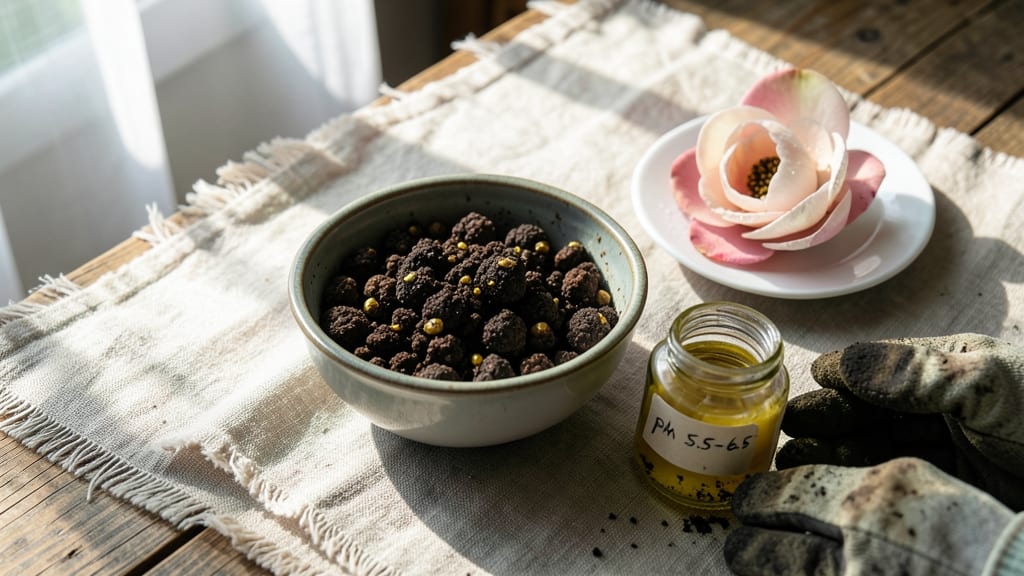
Struggling with alkaline soil stunting your acid-loving flowers? These ten sulfur-rich soil amendments will lower pH levels, enhance nutrient uptake, and create the perfect acidic environment for vibrant blooms like azaleas, hydrangeas, and blueberries.
Elemental Sulfur Powder for Soil Acidification
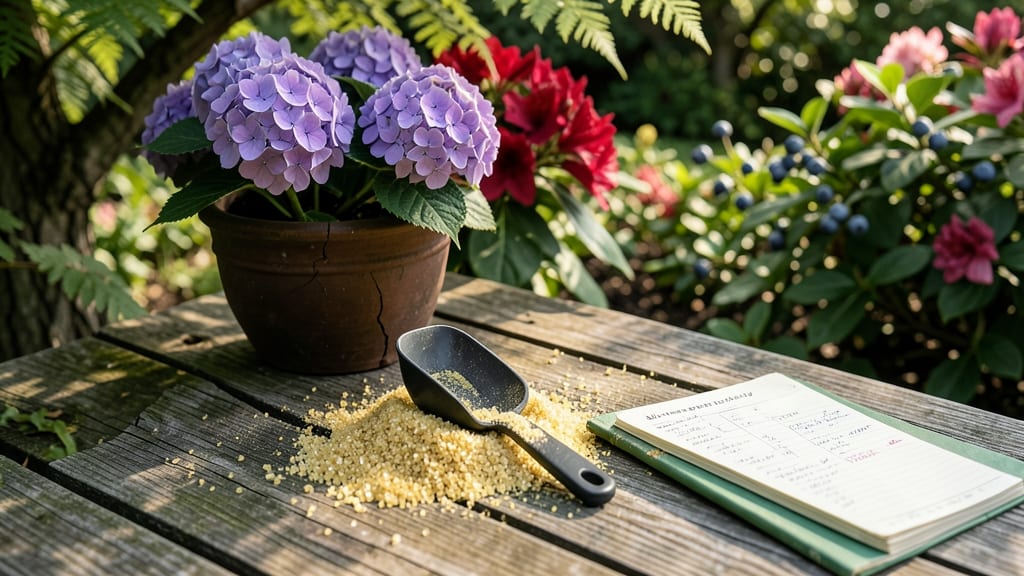
Tired of constantly amending your garden soil with quick-fix acidifiers that fade fast? Elemental sulfur powder is the gardener's secret weapon for long-term pH adjustment—working slowly over months to create the perfect acidic environment for your acid-loving plants.
Unlike fast-acting amendments, elemental sulfur releases acidity gradually as soil microbes break it down, making it ideal for large garden beds or projects where you want steady, low-maintenance results. For every 1 point of pH reduction in 1,000 square feet of soil, apply 20 pounds of elemental sulfur in fall or early spring. It’s especially effective for azaleas, rhododendrons, and blueberries, which thrive in pH 4.5–5.5 ranges.
This slow-release option is perfect for gardeners with alkaline soil who want to avoid frequent applications. Just mix it into the top 6 inches of soil, water thoroughly, and let nature do the rest. Your plants will thank you with lush, vibrant growth! 🌿
Lime Sulfur Spray for Fungal Control
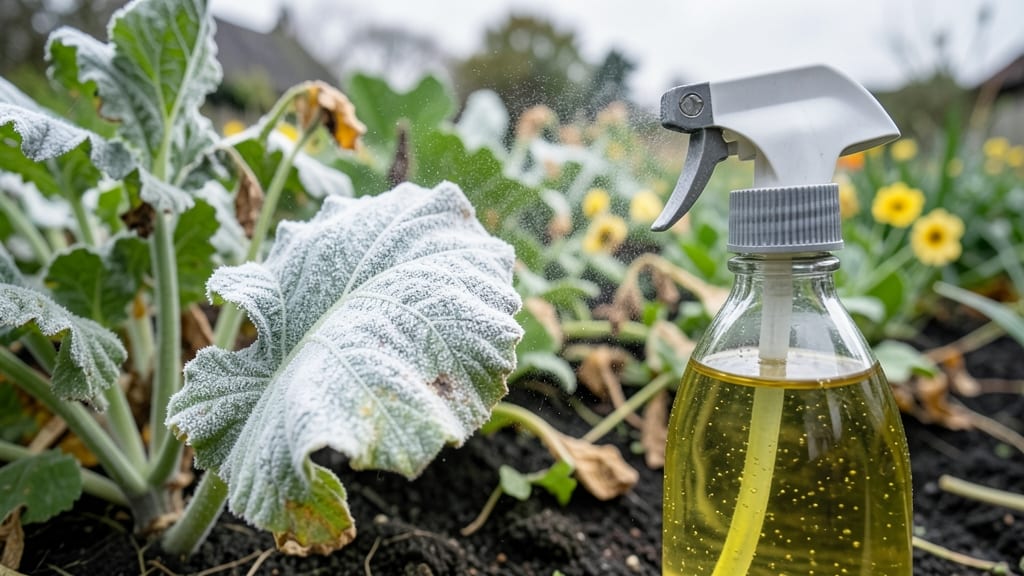
When powdery mildew turns your garden into a whitewashed nightmare, lime sulfur spray is your secret weapon—it’s not just a fungicide, it’s also a soil acidifier. This dual-purpose liquid tackles fungal diseases while gently lowering pH, making it ideal for organic gardeners who refuse to choose between disease control and soil health.
Mix 1 tablespoon per gallon of water and apply during early morning or late evening to avoid leaf burn. For soil acidification, incorporate the diluted spray into the top 6 inches of soil at 0.5–1 pound per 100 square feet. Reapply every 2–4 weeks for fungal issues, but avoid spraying flowers in bloom to prevent residue. The sulfur content also boosts nutrient availability for acid-loving plants like azaleas and hydrangeas.
Perfect for organic gardeners who want to kill two birds with one spray—this amendment is especially useful in humid climates where fungal diseases thrive. Just remember: always wear gloves and work in a well-ventilated area. 🌿
Gypsum with Sulfur Blend for Clay Soils

If your garden soil feels like concrete when dry and turns to mud when wet, a gypsum with sulfur blend is your secret weapon. This dynamic duo doesn’t just break up compacted clay—it also provides the sulfur needed to create the ideal acidic environment for struggling flowers.
The gypsum component works immediately to improve soil structure by replacing sodium with calcium, reducing compaction and improving drainage. Meanwhile, the sulfur gradually lowers the pH, making nutrients like iron and manganese more available to root systems. For best results, mix 10-20 pounds of the blend per 100 square feet into the top 6-8 inches of soil before planting.
This amendment is especially valuable for gardeners with heavy clay soils who want to grow acid-loving flowers like azaleas or gardenias. It’s a game-changer for establishing roots in difficult conditions. 🌱
Sulfur-Coated Urea Fertilizer for Fast Growth
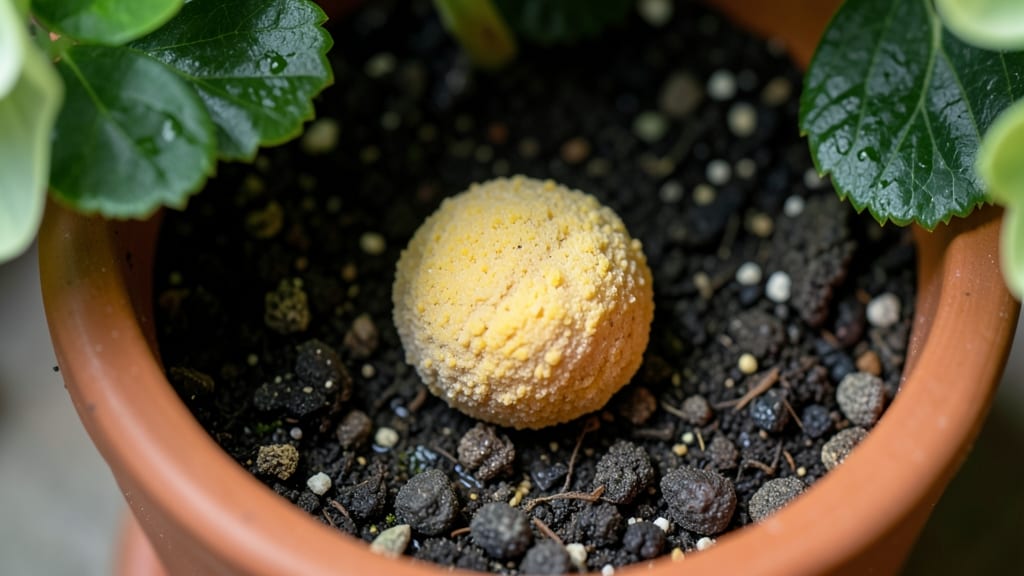
Container gardens need a powerhouse fertilizer that delivers nitrogen and sulfur simultaneously—sulfur-coated urea is your secret weapon. This dual-action fertilizer provides a quick nitrogen boost while slowly releasing sulfur to acidify soil, making it perfect for acid-loving plants like hydrangeas and gardenias that thrive in pots.
Unlike traditional urea, the sulfur coating creates a time-release effect that lasts 4-6 weeks, ensuring steady nutrient delivery without burning roots. For container gardens, use 1 tablespoon per gallon of soil every 4-6 weeks during the growing season. The sulfur component also helps prevent nutrient lockout in alkaline soils, giving your flowers the vibrant color and growth they crave.
This is the go-to choice for urban gardeners and balcony planters who need fast results without the hassle of mixing separate amendments. Just sprinkle and water—your acid-loving plants will reward you with lush foliage and abundant blooms. 🌻
Peat Moss with Sulfur Enhancement
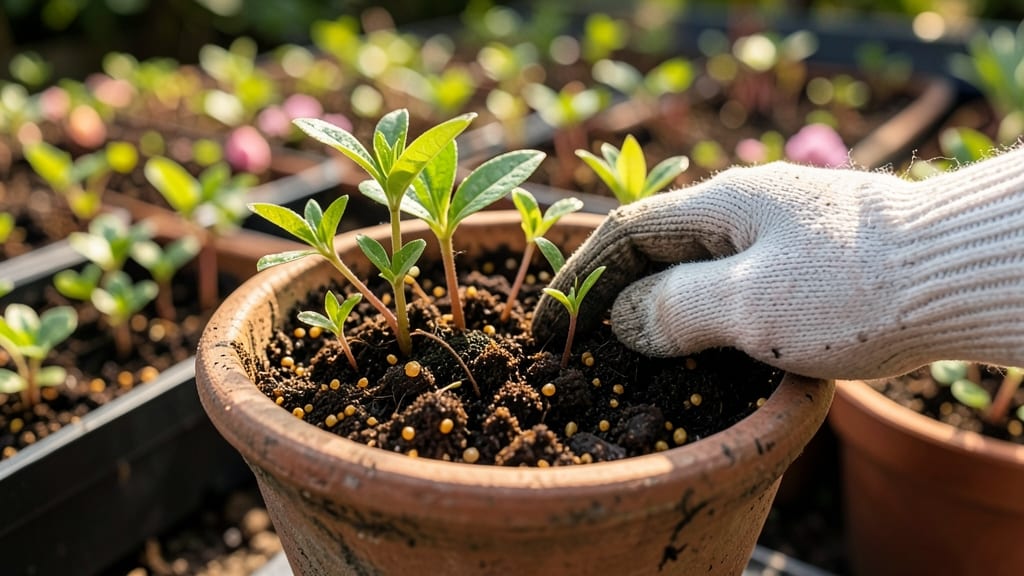
Struggling to keep your delicate seedlings or acid-loving flowers happy? Peat moss with sulfur enhancement is your secret weapon for a moisture-retaining, acidic growing medium that mimics their natural habitat.
This organic blend not only provides the sulfur needed to lower pH levels but also holds moisture better than regular soil, preventing the stress of dry conditions. Mix it 1:1 with perlite for seed starting trays to create an ideal environment for petunias, azaleas, and blueberries—plants that thrive in consistently acidic conditions. The sulfur release is gradual, so you won’t risk shocking sensitive roots.
Perfect for gardeners who want to avoid harsh chemicals while giving their delicate flowers the perfect start. 🌷
Aluminum Sulfate Granules for Quick pH Adjustment
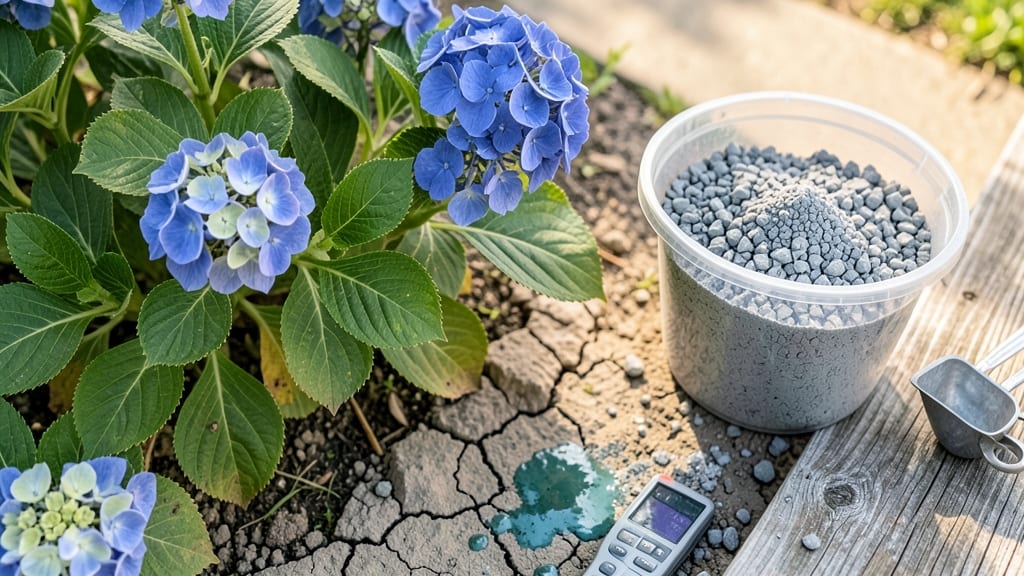
When your hydrangeas turn from vibrant blue to sad, pale green overnight, you’re dealing with an alkaline soil emergency. Aluminum sulfate granules dissolve within days to slash pH levels, unlocking nutrients like iron and manganese that starving flowers crave.
Apply 10–20 pounds per 100 square feet of garden bed, working granules into the top 6 inches of soil. For containers, use 1–2 tablespoons per gallon of potting mix. Results appear within 7–10 days, making it ideal for rescue operations before the next planting season. Always water thoroughly after application to activate the granules.
This is the go-to solution for gardeners who need immediate results—whether you’re prepping a new bed for acid-loving perennials or reviving struggling plants mid-season. Just remember: test your soil first to avoid over-acidifying! 💡
Sulfur-Infused Compost Tea for Foliar Feeding
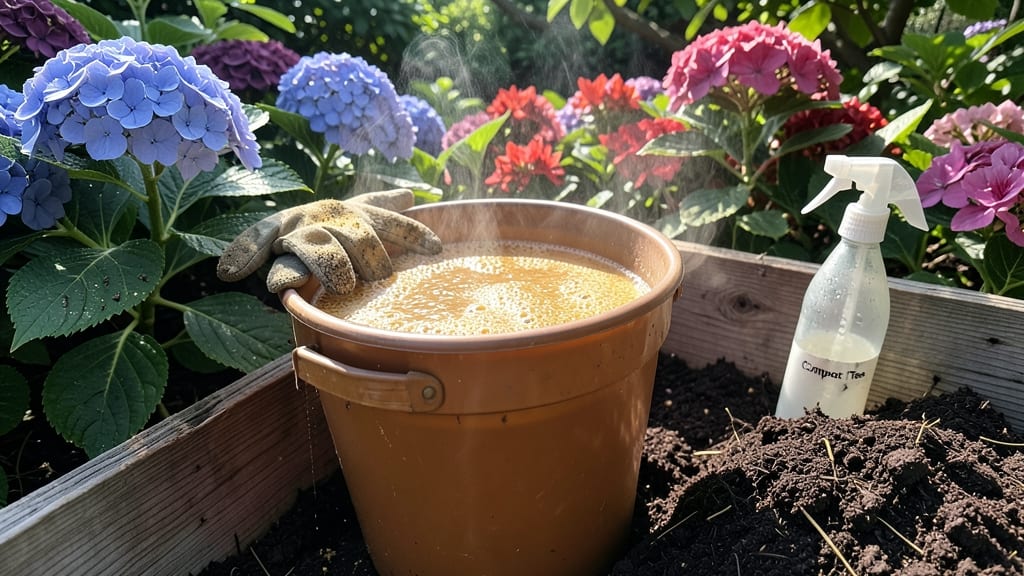
Tired of waiting months for soil amendments to work? Sulfur-infused compost tea delivers fast-acting foliar nutrition while gently acidifying your soil—ideal for established flower gardens where time is of the essence.
This liquid amendment brews sulfur directly into compost tea, allowing plants to absorb nutrients through leaves and roots simultaneously. The process boosts soil microbial activity, improving nutrient cycling for acid-loving flowers like hydrangeas and azaleas. Simply spray on foliage every 2-3 weeks during the growing season for gradual pH adjustment without the risk of over-acidification.
Perfect for gardeners who want immediate results without harsh chemicals, this method is especially beneficial for mature plants showing signs of nutrient deficiency. 🌿
Sulfur-Enriched Biochar for Long-Term Soil Health
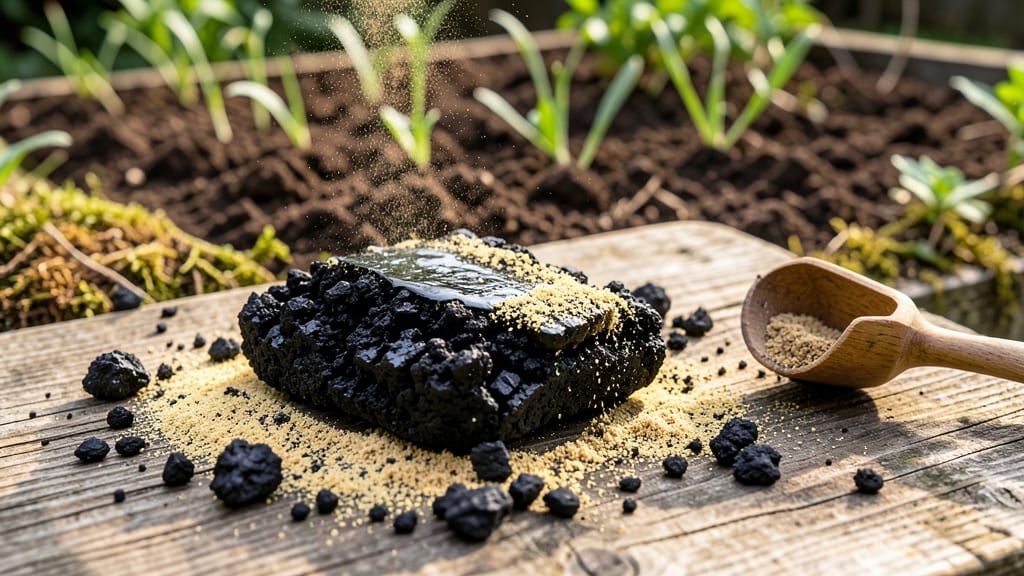
Looking for a sustainable soil amendment that does more than just lower pH? Sulfur-enriched biochar combines the benefits of sulfur with carbon sequestration, making it a powerhouse for permaculture gardens and long-term soil health. Unlike fast-acting amendments, biochar creates a slow-release system that improves soil structure while gradually acidifying your beds.
This amendment works by locking sulfur into its porous structure, preventing leaching while feeding microbes over years. Mix 1-2 cups per square foot into your soil annually to maintain acidity for acid-loving plants like blueberries and azaleas. The biochar also boosts water retention and reduces compaction, creating an ideal environment for deep root systems.
Perfect for gardeners committed to regenerative practices, this amendment transforms your soil into a self-sustaining ecosystem. It’s especially valuable for those with heavy clay or sandy soils needing long-term fertility improvements. 🌿
Sulfur-Containing Bone Meal for Flower Blooms
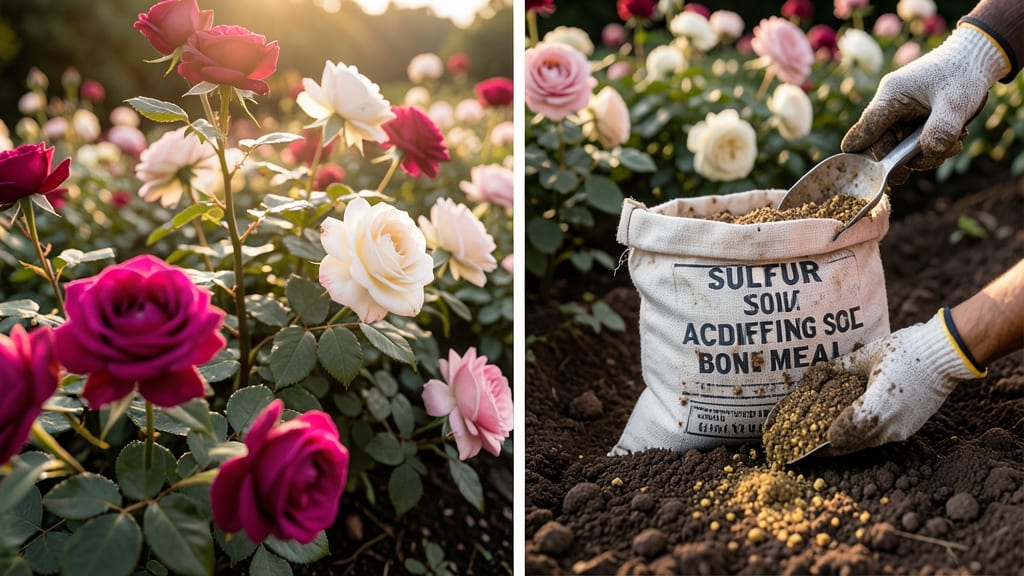
Want roses that bloom like they’re on a magazine cover? Sulfur-containing bone meal is the secret weapon for gardeners who demand both beauty and strength from their flowers. This natural amendment isn’t just about acidifying soil—it’s packed with phosphorus and sulfur to fuel root growth and explosive blooming.
Work it into the soil at planting time (about 1-2 tablespoons per plant) or sprinkle lightly around established flowers in early spring. The phosphorus boosts energy for vibrant blooms, while sulfur helps maintain the acidic conditions roses crave. It’s especially effective for high-demand varieties like hybrid teas or climbers that need extra nutrients to support lush foliage and abundant flowers.
Perfect for gardeners who love organic solutions without synthetic fertilizers, bone meal delivers a two-for-one benefit: stronger roots and show-stopping blooms. Just avoid overdoing it—too much can lead to leaf yellowing. 🌻
Sulfur-Infused Worm Castings for Gentle Acidification

If you’ve ever struggled to coax vibrant blooms from delicate flowers like camellias or gardenia, sulfur-infused worm castings might be your secret weapon. Unlike harsh chemical amendments, this organic blend gently lowers pH while enriching soil with nutrients and microbial life—ideal for finicky acid-loving plants.
Worm castings naturally contain sulfur, but adding a slow-release sulfur blend (like elemental sulfur or gypsum) enhances their acidifying power. Mix 1–2 cups of the infused castings per square foot of soil in spring, then top-dress annually. The result? A fluffy, well-aerated growing medium that retains moisture without compacting, perfect for container gardens or cuttings.
This is the go-to choice for gardeners who prioritize organic methods and want to avoid shocking sensitive roots. Your hydrangeas will thank you with deeper blues, and your azaleas with lush, glossy foliage—all while building long-term soil health. 🌿