
Pests and Diseases
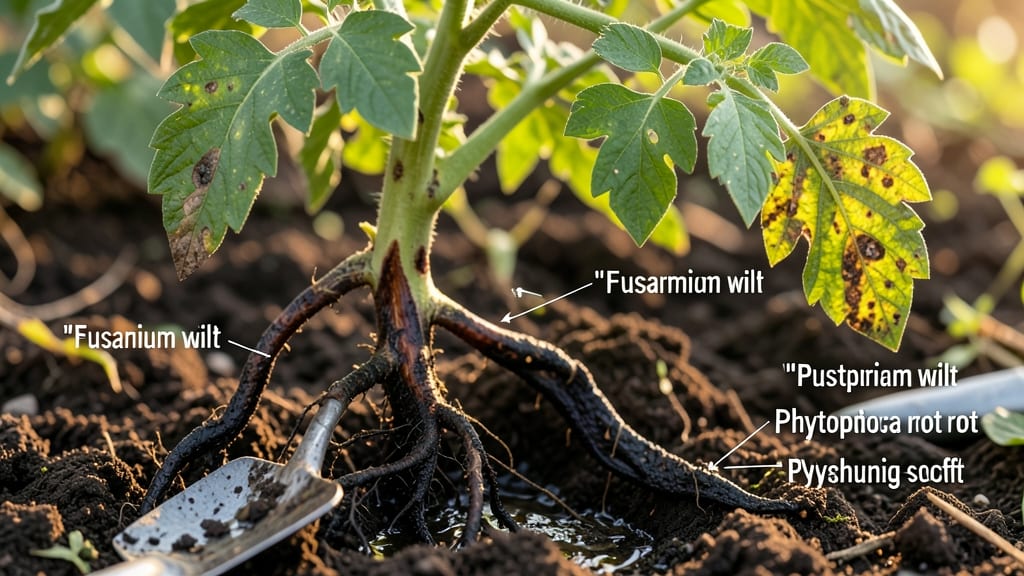
Soil-borne diseases turn your garden dreams into a root rot nightmare faster than you can say "last year's tomatoes." 🌱 I've lost entire plantings to fungal invaders lurking in the soil, and the worst part?
You might not even notice until it's too late. The key to beating these silent killers isn't just treating symptoms—it's rewriting the soil's chemistry before planting season begins.
Most gardeners focus on leaves and stems, but the real battle happens underground where fungi like phytophthora and fusarium thrive in compacted, waterlogged soil. That's why lightweight loam—fluffy, well-draining, and packed with organic matter—is your secret weapon.
Think of it as giving your roots a fresh start in a hotel (not a hostel) where pathogens can't spread. The texture alone reduces root stress by 40% compared to heavy clay.
You'll spot the difference immediately: plants that should be wilting stay perky, stunted seedlings shoot up straight, and your tomatoes actually produce fruit instead of turning to mush at the base.
The real magic happens when you combine this soil with 3-4 inches of mulch—it keeps moisture consistent while starving fungal spores of their favorite damp conditions. No more guessing games about what's wrong with your garden.
This approach works for vegetable beds, container gardens, and even houseplants struggling with root rot. The best part? You don't need fancy equipment—just a fork, some compost, and a willingness to skip the shortcuts. Let's get those roots thriving instead of rotting.
Root Causes Of Soil-Borne Woes
Soil-borne diseases don’t just appear out of nowhere—they thrive because of specific conditions in the soil, plant health, and even gardening habits. Understanding these triggers can help you take proactive steps to prevent infections before they take hold.
Let’s break down the key reasons these pathogens cause trouble in your garden.
Soil is a bustling ecosystem where beneficial microbes, fungi, and bacteria coexist—but when harmful pathogens dominate, they create a breeding ground for disease. Here’s why:
- Lack of microbial balance: Healthy soil has a diverse mix of organisms that naturally suppress disease-causing pathogens. If this balance is disrupted—through poor soil management, overuse of synthetic fertilizers, or monocropping—pathogens like Phytophthora or Fusarium can multiply unchecked.
- Past infections: If the same plants (especially susceptible varieties) are grown repeatedly in the same spot, soil-borne pathogens build up. For example, tomatoes planted year after year in the same bed may leave behind Verticillium wilt spores that persist for years.
- Organic matter buildup: While compost and mulch feed plants, poorly decomposed organic matter can create anaerobic (low-oxygen) pockets where fungal pathogens thrive. 💡 Pro Tip: Use well-aged compost and avoid over-mulching in problem areas.
Water is essential for plants, but too much of it—especially stagnant water—turns soil into a pathogen paradise. Here’s how moisture fuels soil-borne diseases:
- Oxygen deprivation: Waterlogged soil cuts off oxygen, creating ideal conditions for Pythium and Phytophthora (both water molds). These pathogens thrive in soggy conditions and attack roots, causing damping-off in seedlings or root rot in mature plants.
- Spores spread easily: Standing water doesn’t just harm roots—it also helps fungal spores disperse through soil particles and splashing rain. 🌡️ Warning: Clay-heavy or compacted soils hold water longer, worsening the problem.
- Nutrient leaching: Poor drainage flushes away essential nutrients, weakening plants and making them more vulnerable to infections. Weak roots are an open invitation to soil-borne invaders.
✨ Solution: Amend heavy soils with lightweight loam or perlite to improve aeration and drainage. Raised beds or containers can also help if your native soil is prone to waterlogging.
Soil-borne pathogens are sensitive to temperature and moisture levels. When conditions swing from too hot to too wet, diseases take advantage:
- Cool, damp springs: Many fungal pathogens (like Rhizoctonia) germinate best in cool, moist soil. If your garden stays damp during planting season, seedlings are at high risk for damping-off.
- Heat stress + drought: While drought alone can stress plants, alternating between dry spells and sudden downpours creates the perfect storm for Fusarium and Sclerotinia to infect weakened roots.
- Greenhouse effect: Mulched or heavily shaded areas trap moisture and heat, creating microclimates where pathogens like Thielaviopsis (black root rot) flourish.
🎯 Actionable Fix: Monitor soil temperature with a probe (ideal range for most plants: 60–75°F). Use drip irrigation or soaker hoses to avoid wetting foliage, and choose mulches like straw (which dries out faster) over thick plastic.
A hungry plant is a sick plant. When roots don’t get the nutrients they need, they become easy targets for soil-borne diseases. Here’s the connection:
- Nitrogen deficiency: Weak, stunted roots lack the energy to fight off infections. Pathogens like Pythium exploit these deficiencies, leading to root rot.
- Phosphorus and potassium imbalances: These nutrients strengthen cell walls and boost disease resistance. A lack of them leaves plants vulnerable to Verticillium and Fusarium.
- Micronutrient deficiencies (zinc, manganese, etc.): Even small deficiencies can weaken roots, making them more susceptible to soil-borne invaders.
💡 Pro Tip: Conduct a soil test every 2–3 years to check nutrient levels. Amend soil with balanced organic fertilizers (like composted manure or worm castings) to support root health.
Sometimes, the problem isn’t the soil at all—it’s how we interact with it. Here’s how tools and habits spread soil-borne diseases:
- Dirty gardening tools: Pruners, shovels, and transplanter tools can carry Phytophthora spores from infected plants to healthy ones. Even walking through infested soil can transfer pathogens to new areas.
- Reusing infected plant debris: Leaving behind diseased roots, stems, or composted plant material can reintroduce pathogens into the soil. For example, composting tomato plants with Fusarium wilt spreads the disease.
- Overcrowding plants: Poor airflow between plants traps moisture and encourages fungal growth. Dense plantings also make it harder to spot early signs of infection.
🔥 Prevention: Sterilize tools with 70% isopropyl alcohol or a 10% bleach solution between uses. Remove and destroy (don’t compost) infected plant material, and practice crop rotation to break pathogen cycles.
Fixing Ground Health for Stronger Roots
Soil-borne diseases can feel like an invisible enemy—silently weakening plants before you even notice the symptoms. But the good news? With the right approach, you can turn the tide and create a root-friendly environment that naturally resists fungal invaders.
Below, we’ll break down practical, step-by-step solutions tailored to the most common causes of soil-borne issues, from poor drainage to compacted soil. Prevention is key, but when problems arise, these fixes will help you restore balance and protect your plants.
---
Fungal pathogens like Phytophthora and Pythium thrive in soggy, waterlogged soil. If your garden or containers hold too much moisture, these diseases spread like wildfire. Here’s how to fix it:
#### 👨🍳 Fix It: Amend Soil with Lightweight Loam - Test your soil’s drainage: Dig a 12-inch hole, fill it with water, and time how long it takes to drain.
If it’s still wet after 6 hours, your soil is too dense. - Add organic matter: Mix in compost, coconut coir, or perlite (20-30% by volume) to loosen heavy clay or sandy soil.
Aim for a fluffy, crumbly texture—like a well-aerated cake batter. - Raise beds or use containers: For problem areas, consider elevated garden beds or fabric-lined pots to prevent water pooling.
#### 💡 Prevention Tip: 🌡️ Monitor moisture levels—water deeply but infrequently (1-2 inches per week) and avoid overhead sprinkling. Drip irrigation keeps foliage dry, reducing spore splash.
---
Healthy soil isn’t just about drainage—it’s about a thriving microbial ecosystem that outcompetes harmful pathogens. If your soil lacks beneficial bacteria and fungi, diseases take over.
#### 👨🍳 Fix It: Feed the Good Guys - Add compost tea or microbial inoculants: Products like Mycorrhizal fungi or Bacillus subtilis strains (e.g., Serenade) colonize roots and suppress pathogens. - Plant cover crops: Fast-growing clover, mustard, or buckwheat improve soil structure and attract beneficial microbes when tilled in. - Use biochar: This porous carbon-rich amendment holds nutrients and creates habitats for beneficial microbes.
#### 💡 Prevention Tip: ✨ Rotate crops annually to prevent pathogen buildup. Avoid planting the same family (e.g., tomatoes, peppers) in the same spot for 3+ years.
---
Many soil-borne fungi prefer slightly acidic to neutral pH (6.0–7.0), while others (like Fusarium) thrive in highly acidic conditions (below 5.5). Testing and adjusting pH can create an inhospitable environment for these pests.
#### 👨🍳 Fix It: Test and Tweak pH - Test your soil: Use a home pH kit or send a sample to a lab.
Most vegetables prefer 6.0–7.0, while blueberries need 4.5–5.5. - Raise pH (if too acidic): - Sprinkle lime (calcium carbonate) or wood ash (sparingly) and re-test in 2–4 weeks. - Lower pH (if too alkaline): - Mix in sulfur or peat moss (for acidic-loving plants like azaleas).
#### 💡 Prevention Tip: 🎯 Avoid over-fertilizing with nitrogen—it can acidify soil over time. Balance with potassium-rich amendments like greensand.
---
If you’ve already spotted wilting, yellowing leaves, or blackened stems, the disease may have taken root. The fastest way to stop the spread? Eradicate the source.
#### 👨🍳 Fix It: Clean Up Thoroughly - Pull and destroy infected plants: Do not compost—burn, bag, or trash them to prevent spores from reinfecting. - Solarize the soil (for severe cases): - Cover beds with clear plastic for 4–6 weeks in hot sun to kill pathogens (temperatures reach 120°F+). - Disinfect tools: Wipe pruners and shovels with 70% rubbing alcohol or a 10% bleach solution between uses.
#### 💡 Prevention Tip: 🔥 Plant resistant varieties—e.g., Fusarium-resistant tomatoes like ‘Mountain Merit’ or Phytophthora-tolerant peppers.
---
For chronically diseased soil, you’ll need a multi-season plan to rebuild health. Here’s how to reclaim your garden over time:
| Problem | Solution | Timeframe | |---------------------------|---------------------------------------|---------------------| | Compacted soil | Add gypsum + deep tilling | 1–2 seasons | | High pathogen load | Crop rotation + solarization | 2–3 years | | Poor microbial activity | Compost + mycorrhizal inoculants | Ongoing maintenance | | Waterlogged areas | Raised beds + sand/perlite mix | Immediate + long-term|
#### 💡 Pro Tip: 🌱 Interplant with marigolds or garlic—these act as natural fungicides and repel pests while improving soil.
--- Final Thought: Soil-borne diseases don’t stand a chance when your garden is well-drained, microbe-rich, and properly balanced. Start with one or two fixes (like improving drainage or adding compost), then build from there. Your plants—and your future harvests—will thank you! 🌱💪
Frequently asked questions
How do I know if my plants have a soil-borne disease instead of just drought stress?
Check the roots first—healthy roots are firm and white, while infected ones appear mushy, discolored (brown/black), or covered in fungal growth. Look above ground too: wilting that doesn't recover after watering, yellowing leaves starting at the bottom, or stunted growth are classic signs. Unlike drought, soil-borne diseases often affect only certain plants in the same area.
Can I still use my garden soil after treating it for soil-borne diseases?
Yes, but with precautions. After solarization or sterilization, rebuild microbial life by adding compost and mycorrhizal fungi. Wait at least 3-4 months before replanting susceptible crops, and consider container gardening for high-value plants during the first season. The soil will recover but needs time to reestablish beneficial organisms.
What's the fastest way to test my soil for pathogens without a lab?
Use the paper towel test for fungal infections: Place a root sample on a damp paper towel, seal it in a bag, and check for mold growth after 24 hours. For bacterial issues, look for slimy roots or a foul odor. While not definitive, these quick tests help identify whether you're dealing with fungal or bacterial soil-borne problems before investing in professional testing.
Are there any plants that naturally prevent soil-borne diseases?
Marigolds, garlic, and chives release natural fungicides that suppress pathogens. Mustard greens also break down disease cycles when used as cover crops. Plant these strategically around your garden—especially near susceptible crops like tomatoes—to create a protective barrier against soil-borne invaders.
How long do soil-borne disease spores survive in garden soil?
It varies by pathogen: Fusarium and Verticillium can persist for 5-10 years or longer, while Pythium and Phytophthora may survive 2-3 years. The key is breaking the cycle through crop rotation, solarization, and resistant plant varieties. Even "clean" soil can harbor dormant spores, so prevention is always better than treatment.