How To
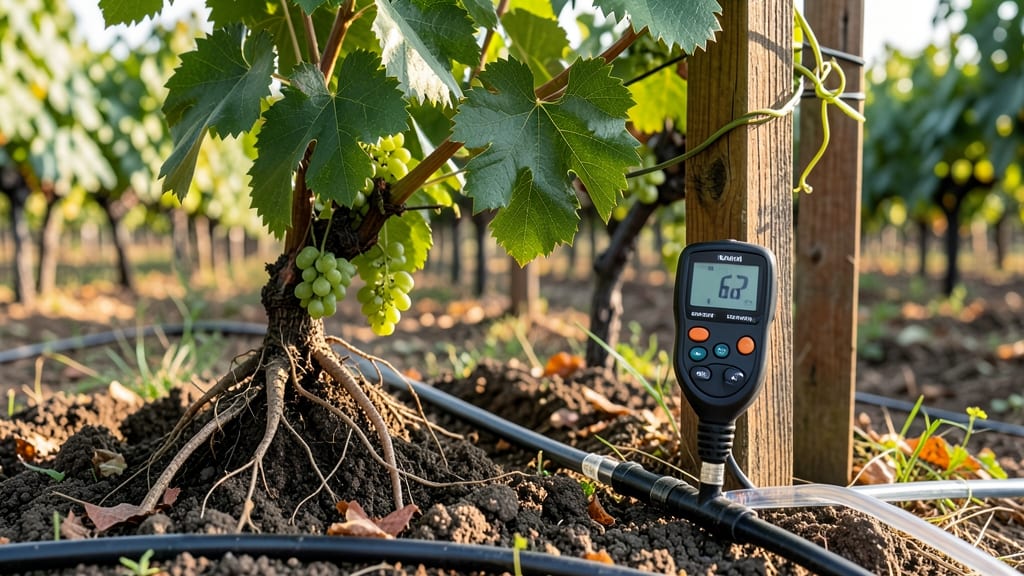
The ideal soil conditions for grapes include well-draining, slightly acidic soil with a pH between 5.5 and 7.0, rich in organic matter and moderate fertility. Loamy or sandy-loam textures prevent waterlogging while retaining moisture, and full sunlight (6-8 hours daily) is essential for optimal fruit development and disease resistance.
Grapes are finicky about their growing environment, and getting the soil right makes all the difference. 🌱 A slightly acidic pH (5.5-7.0) ensures grapevines can absorb essential nutrients like iron and zinc without stress.
I've seen firsthand how even a small pH shift can lead to nutrient deficiencies, especially in younger vines. The right soil texture—whether it's loamy or sandy-loam—also prevents root rot by keeping water from pooling around the roots, which is crucial for long-term vine health.
Beyond the basics, organic matter like compost or well-rotted manure improves soil structure and microbial activity, which grapevines love. 💫 For example, adding compost not only feeds the soil but also helps retain moisture during dry spells.
And don’t overlook sunlight—grapes need at least 6-8 hours of direct light daily to develop flavorful fruit and resist fungal diseases. Without these conditions, even the hardiest grape varieties struggle to thrive.
💡 In This Article
- Optimal Soil pH and Composition for Grapevine Growth
- Preparing and Amending Soil for Grape Cultivation
Optimal soil pH and composition for grapevine growth
The perfect soil for grapes isn't just about pH numbers—it's about creating an environment where roots can access nutrients efficiently. Grapevines prefer slightly acidic to neutral soil (pH 5.5-7.0), but this range isn't arbitrary.
At lower pH levels (closer to 5.5), essential micronutrients like iron, manganese, and zinc become more available to the plant. However, if the soil becomes too acidic (pH 5.0), aluminum toxicity can occur, stunting root growth.
On the other end, alkaline soils (pH 7.5+) lock out these same nutrients, leading to yellowing leaves and poor fruit development. 🌿
Soil texture plays an equally critical role. Loamy soils—composed of roughly 40% sand, 40% silt, and 20% clay—strike the ideal balance. This composition drains excess water while retaining enough moisture for roots. Sandy soils drain too quickly, while clay holds water like a sponge, both creating stress for grapevines.
Organic matter (like compost) improves loamy soils by increasing water retention and microbial activity, which breaks down nutrients into forms vines can absorb. For example, a well-amended loam can hold 20-30% more water than unamended soil while still allowing oxygen to reach roots.
Drainage isn't just about water—it's about preventing root rot. Grapevine roots are particularly sensitive to waterlogged conditions because they require oxygen for respiration. In poorly draining soils, roots suffocate and develop fungal infections. This is why vineyards often plant on slopes or use raised beds: they create natural drainage pathways.
Even in flat terrain, amending with coarse materials like perlite or gravel can improve aeration. The goal is to mimic the well-draining, slightly acidic conditions grapevines evolved in Mediterranean climates, where they naturally grow in rocky, sloped terrains.
One often-overlooked factor is soil biology. Healthy grapevine roots host beneficial microbes that help break down organic matter and protect against pathogens. These microbes thrive in soils with 5-10% organic matter and proper pH balance.
For instance, mycorrhizal fungi form symbiotic relationships with grapevine roots, increasing nutrient uptake by up to 30%. Without this microbial support, even the most nutrient-rich soil may not perform optimally.
This is why adding compost or cover crops (like clover) isn't just about feeding the soil—it's about nurturing the entire ecosystem beneath the vine.
Different grape varieties also have slight preferences. For example, Pinot Noir thrives in cooler, slightly acidic soils (pH 5.5-6.5) that enhance its delicate flavors, while Zinfandel often performs better in slightly warmer, more neutral soils (pH 6.5-7.0) that bring out its bold character.
Understanding these nuances allows growers to fine-tune soil conditions for specific varieties, ensuring the best possible fruit quality. 🍇
Finally, soil temperature matters. Grapevine roots prefer cooler soil temperatures (50-65°F) during active growth, which is why deep planting (with 12-18 inches of soil cover) helps protect roots from heat stress.
In warmer climates, mulching with straw or wood chips can maintain these ideal conditions while also suppressing weeds and retaining moisture. The interplay of pH, texture, drainage, and temperature creates the perfect foundation for grapevine health and productivity.