
Propagation
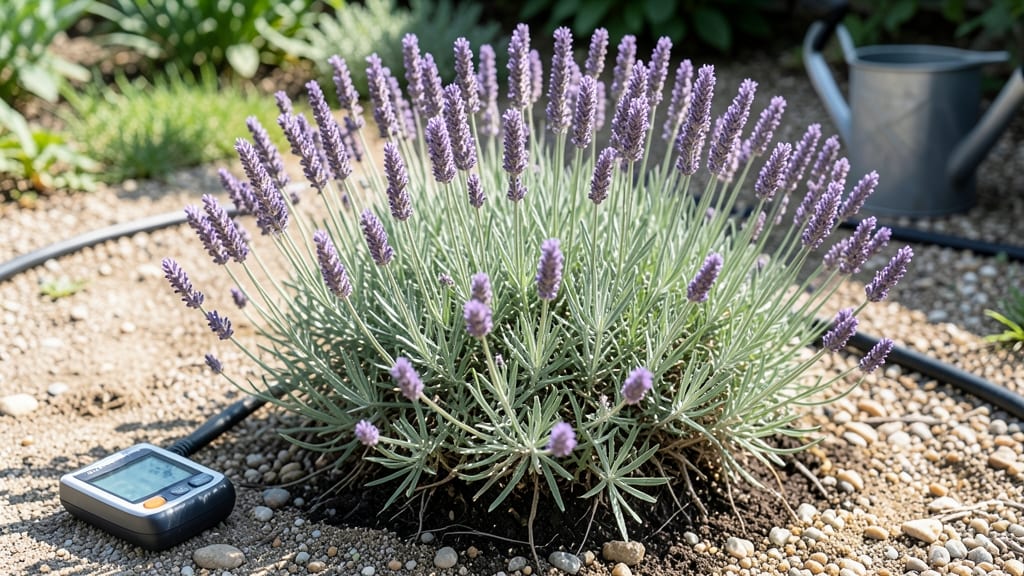
The ideal soil conditions for lavender include well-draining, slightly alkaline soil with a pH of 6.5 to 7.5, combined with full sun exposure (6+ hours daily) and a sandy, rocky, or gravelly texture to prevent root rot. Avoid dense or waterlogged soil for best results.
Lavender’s love for alkaline soil isn’t just a quirk—it’s essential for absorbing calcium and magnesium, which boost its signature fragrance and vibrant blooms. 🌿 Native to Mediterranean climates, lavender evolved to thrive in rocky, nutrient-poor soils where water drains fast, preventing the fungal diseases that plague soggy roots.
If your garden soil feels heavy, mix in coarse sand or crushed gravel to mimic its natural habitat. Even a small raised bed with amended soil can transform struggling lavender into a thriving plant.
For pH adjustments, garden lime (calcium carbonate) is your best friend—sprinkle it into the soil before planting and reapply annually. Test your soil’s pH with a simple kit to avoid overdoing it, as lavender’s roots are sensitive to sudden changes.
And remember: the more sunlight it gets, the more robust the stems and flowers become. Even partial shade can weaken growth, so prioritize a sunny spot with minimal competition.
💡 In This Article
- Why Soil pH and Drainage Matter for Lavender Health
- How to Amend Soil for Perfect Lavender Growth
Why soil pH and drainage matter for lavender health
Lavender’s preference for alkaline soil isn’t random—it’s rooted in its Mediterranean origins where limestone bedrock creates naturally calcium-rich environments. The plant’s roots thrive in soil with a pH between 6.5 and 7.5 because this range optimizes calcium and magnesium uptake, two minerals critical for developing those signature fragrant oils.
At lower pH levels (<6.0), lavender struggles to absorb these nutrients, leading to weak stems and pale foliage. 🌿 The plant’s natural defenses against fungal pathogens also rely on this alkaline environment, as higher pH levels inhibit harmful soil microbes that cause root rot.
Drainage is equally vital because lavender’s shallow root system (12-18 inches deep) can’t tolerate waterlogged conditions. In its native habitat, lavender grows among rocky outcrops where water quickly drains away.
When soil stays soggy for more than 24 hours, roots suffocate from lack of oxygen, leading to a condition called "root rot" where the roots turn black and mushy.
This explains why clay-heavy soils—common in many gardens—are lavender’s worst enemy, as they compact easily and hold moisture like a sponge.
The ideal soil texture mimics the Mediterranean’s gravelly composition, with particles large enough to create air pockets. A mix of 60% sand, 20% gravel, and 20% organic matter (like composted leaves) provides the perfect balance.
This structure prevents water from pooling while still retaining enough moisture for the plant’s needs. For comparison, garden loam—often used for vegetables—has 40% sand and 40% silt, which is far too dense for lavender’s delicate roots. 💧
Even small adjustments can make a huge difference. For example, adding 1 inch of coarse sand to every 1 cubic foot of garden soil significantly improves drainage. Or, creating a raised bed with a 50/50 mix of topsoil and perlite can transform heavy clay into lavender-friendly terrain.
The key is replicating the plant’s natural environment where water moves freely and nutrients are readily available without being washed away.
What most gardeners overlook is how temperature interacts with these conditions. Lavender’s native climate features hot, dry summers and cool, wet winters, but the plant’s roots stay dry because of excellent drainage.
In humid climates, this becomes even more critical—poor drainage combined with high moisture levels creates the perfect storm for fungal diseases like Phytophthora, which can kill lavender plants within weeks. That’s why even in rainy seasons, lavender beds should never feel damp more than an inch below the surface.
Think of lavender’s soil needs as a delicate balance: alkaline pH unlocks nutrient absorption, while proper drainage ensures roots stay healthy. This combination explains why lavender often thrives in poor-quality soil—it doesn’t need rich nutrients, just the right conditions for what it does need.
The plant’s ability to flourish in rocky, nutrient-scarce environments is what makes it so resilient once you get the basics right. 🌱