
Neem Oil
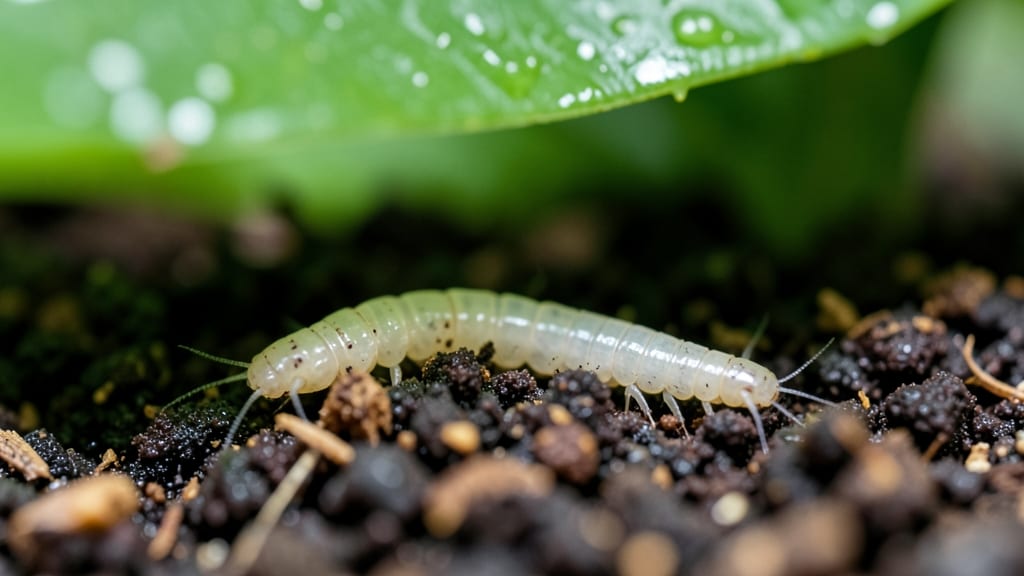
A single soil drench can wipe out fungus gnat larvae before they ruin your seedlings. 🌱 I’ve used this neem oil formula to save my indoor herb garden from a full-blown infestation—no more yellowing leaves or stunted growth.
The key is targeting the larvae in the soil where they thrive, not just spraying the adults flying around.
Fungus gnats love moist, organic soil, and their larvae chew on delicate roots while you’re none the wiser. Most store-bought sprays miss the real problem—the eggs and larvae hiding below the surface.
This drench cuts through that cycle in one treatment, and it’s safe for most plants if used correctly. You only need 3 simple ingredients and 15 minutes to mix it.
After applying, you’ll see fewer adults within 3-5 days, and your seedlings will start regrowing roots instead of wilting. The neem oil disrupts their life cycle while also acting as a mild fungicide—double protection for your soil.
Just water normally afterward, and the soil will stay treated for up to 2 weeks.
Works for houseplants, seed trays, or outdoor containers—just adjust the volume. For persistent cases, repeat every 10 days until the problem disappears. No more losing plants to these tiny pests!
Root Causes Of Fungus Gnat Infestations
Fungus gnats aren’t just a nuisance—they thrive because your plants’ environment is perfect for them. Understanding why these tiny pests show up means you can stop them before they hatch into a full-blown infestation. Let’s break down the science behind their favorite conditions.
Fungus gnats lay their eggs exclusively in moist, organic-rich soil. Their larvae need water to survive, but too much moisture creates a breeding ground. Here’s why: - Anaerobic conditions: When soil stays soggy, oxygen levels drop, making it easier for fungus gnat larvae to thrive.
They prefer waterlogged pockets where roots can’t breathe—and neither can your plants. - Organic buildup: Decaying plant matter (like old mulch, compost, or dead roots) provides the microbiome fungus gnats crave.
Think of it as their all-you-can-eat buffet. - Slow-draining containers: Pots without drainage holes trap excess water, turning them into fungus gnat hotspots. Even "well-draining" mixes can fail if overwatered.
Actionable fix: Let the top inch of soil dry out between waterings, and never let plants sit in saucers of standing water.
Fungus gnats avoid well-aerated soil—they need stagnant, dense environments to hide and feed.
Compacted or heavy clay soil creates the ideal trap: - Root suffocation: Tight soil restricts airflow, weakening plants and making them more susceptible to gnat larvae feeding on roots. - Water pooling: Compacted soil repels water downward, creating saturated zones where larvae burrow and pupate. - Lack of beneficial microbes: Healthy soil teems with bacteria and fungi that outcompete fungus gnats.
Compacted soil disrupts this balance.
Actionable fix: Amend soil with perlite, vermiculite, or coconut coir to improve aeration. For containers, use a 50/50 mix of potting soil and inorganic matter (like pumice).
Fungus gnats love fresh organic material—but too much of it without proper decomposition tips the scales: - Uncomposted compost: Raw manure, grass clippings, or wood chips provide easy food for larvae.
These materials break down too slowly, keeping soil perpetually moist and gnat-friendly. - Over-mulching: A thick mulch layer (especially near stems) traps moisture and blocks airflow, creating a microclimate perfect for gnats. - Peat moss dominance: While peat holds moisture, it never dries out completely, giving larvae a permanent water source.
Actionable fix: Use fully composted organic matter and limit mulch to a 1–2 inch layer. For potted plants, avoid heavy amendments like peat—opt for sphagnum moss or orchid bark instead.
Fungus gnats are tropical pests—they thrive in warm, damp conditions. Greenhouses, bathrooms, and overcrowded plant collections create their dream environment: - Temperature range: Larvae develop fastest between 70–80°F (21–27°C).
Cooler temps slow them down, but heat accelerates their life cycle (egg to adult in 7–10 days). - High humidity: Gnats need 60%+ humidity to survive.
Greenhouses, misting habits, or grouped plants create ideal humidity pockets. - Lack of airflow: Stagnant air prevents soil from drying, while fans or ventilation disrupt their breeding cycle.
Actionable fix: Use a dehumidifier or exhaust fan in humid areas. Space plants to improve airflow, and avoid misting foliage (target soil only).
Stressed or nutrient-deficient plants emit signals that fungus gnats detect.
Their larvae are drawn to: - Root damage: Weak roots release sugary exudates (like honeydew) that larvae feed on, making the plant even more attractive. - Nitrogen deficiency: Plants low in nitrogen produce softer, more palatable roots for gnat larvae. - Over-fertilization: Too much synthetic fertilizer burns roots, creating entry points for larvae and disrupting soil microbes that would otherwise compete with gnats.
Actionable fix: Feed plants balanced, slow-release fertilizer and avoid overwatering. Beneficial nematodes (Steinernema feltiae) can also target larvae before they cause damage.
Even if your current plants are gnat-free, tools and soil mixes can introduce eggs or larvae:
- Reused potting soil: Old soil may contain dormant eggs that hatch when rewetted.
- Dirty pots or trays: Larvae can cling to container edges or saucers, reinfesting new plants.
- Shared gardening tools: Trowels or scoops used in infested soil can transfer eggs to clean mixes.
Actionable fix: Sterilize tools with rubbing alcohol, and replace contaminated soil with fresh, sterile mix. Quarantine new plants for 2 weeks before introducing them to your collection.
Key Takeaway: Fungus gnats don’t appear out of nowhere—they’re drawn by moisture, organic decay, warmth, and weak plants. By addressing these root causes, you’re not just treating the symptoms; you’re starving their lifecycle. Next up: how to disrupt their cycle with targeted soil drenches.
Natural Remedies to Stop Fungus Gnats Fast
Fungus gnats are pesky, but with the right approach, you can eliminate larvae and adults—without harsh chemicals. The key? A soil drench combined with targeted fixes for their life cycle.
Below, we break down cause-specific solutions (and how to prevent future infestations) so you can reclaim your plants in days, not weeks.
Fungus gnat larvae thrive in soggy, anaerobic soil—their favorite breeding ground. If your pots feel damp for days after watering, take action:
- 🍳 Adjust Watering Habits
- Let the top 1–2 inches of soil dry out before watering again.
- Use a moisture meter (or the finger test) to avoid guesswork.
- Pro Tip: 💡 Switch to self-watering pots or terracotta containers (they dry faster).
- 👨🍳 Improve Drainage
- Add perlite, coarse sand, or orchid bark (20–30%) to repot mix.
- Drill drainage holes in plastic pots if missing.
- Warning: ⚠️ Never skip drainage—root rot + fungus gnats = double trouble.
- 🥘 Soil Drench with Neem Oil (Larvicide Strike)
- Mix 1 tsp neem oil + 1 tsp mild soap (as an emulsifier) per quart of water.
- Drench soil thoroughly (until water runs from drainage holes).
- Repeat every 5–7 days for 3 weeks to kill larvae at all stages.
- Bonus: 🌱 This also prevents future eggs from hatching.
Fungus gnats love decaying organic matter—think old mulch, compost tea, or dead roots. If your soil smells funky or has mold, act now:
- 🔪 Sterilize Soil (If Infested)
- Bake soil in the oven at 200°F (93°C) for 30 minutes to kill larvae/fungi (save seeds/pots separately).
- Alternative: Solarize soil—cover with clear plastic for 4–6 weeks in hot sun.
- 🌡️ Replace Problematic Additives
- Ditch fresh compost, peat moss, or manure (use aged compost or worm castings instead).
- Swap out old potting mix—repot plants in a sterile, gritty mix.
- ✨ Prevent Fungal Growth
- Add 1 part cinnamon or diatomaceous earth (DE) to soil (natural antifungals).
- Water in the morning to reduce humidity and mold risk.
Even if you kill larvae, adult gnats will keep laying eggs. Trap them with these low-effort methods:
- 🍎 Apple Cider Vinegar Trap (Classic & Effective)
- Fill a small cup with apple cider vinegar + a drop of dish soap.
- Cover with plastic wrap, poke holes, and place near plants.
- Replace every 3–4 days—gnats get trapped and drown.
- 🕯️ Yellow Sticky Traps (Visual Lure)
- Hang yellow cards coated with Tanglefoot or petroleum jelly near infested areas.
- Best for: Greenhouses or high-infestation zones.
- 🌿 Beneficial Nematodes (Living Pest Control)
- Apply Steinernema feltiae nematodes to soil—they eat larvae on contact.
- How to use: Mix with water, drench soil, and water lightly to keep moist for 7 days.
- Cost: ~$20–$30 for a 1 million nematode treatment (lasts months).
Once you’ve crushed the infestation, lock it down with these habits:
| Problem | Fix | Frequency |
|---|---|---|
| Overwatering | Let soil dry between waterings | Daily check |
| Poor drainage | Repot with perlite/sand | One-time upgrade |
| Fresh organic matter | Use aged compost/worm castings | Every repotting |
| High humidity | Improve airflow with fans | Ongoing |
| No predator balance | Introduce springtails or mites | Seasonal boost |
💡 Pro Tip: Rotate neem oil drenches every 2 weeks as a preventive spray, even after gnats are gone.
Final Note: Consistency is key—gnat larvae take 7–10 days to mature, so stick with treatments for 3–4 weeks to ensure they’re gone for good. Your plants (and sanity) will thank you! 🌿🚫🪰
Frequently asked questions
How often should I apply the soil drench?
Apply the neem oil drench every 5-7 days for 3 weeks to break the fungus gnat life cycle. After that, a monthly maintenance drench helps prevent reinfestation. For severe cases, repeat every 10 days until you see fewer adults flying around.
Can I use this drench on all my plants?
Neem oil drenches are safe for most houseplants, vegetables, and herbs, but avoid using them on edible crops within 24 hours of harvest. Always test a small area first—some sensitive plants like succulents or cacti may react poorly. For delicate plants, reduce the neem oil to ½ teaspoon per quart.
What if I don’t have neem oil?
You can substitute with hydrogen peroxide (3%)—mix 1 part peroxide to 4 parts water and drench soil. Another option is beneficial nematodes (Steinernema feltiae), which actively hunt larvae. For immediate results, combine both methods: drench with peroxide first, then apply nematodes.
Will this drench kill my soil microbes?
When used correctly, neem oil drenches won’t harm beneficial soil microbes. The key is proper dilution—never use concentrated neem oil directly. The mild soap acts as an emulsifier to spread the oil evenly without damaging the soil ecosystem. For extra protection, add 1 tablespoon of compost tea after drenching to restore microbial balance.
How do I know if the drench worked?
Success shows in 3 key signs: fewer adult gnats flying around (3-5 days), healthier plant growth (roots regaining strength), and no new larvae visible when you check soil moisture. For confirmation, place a white plate under pots—fewer larvae crawling on it means the treatment is effective. Repeat if you still see gnats after 2 weeks.