
Neem Oil
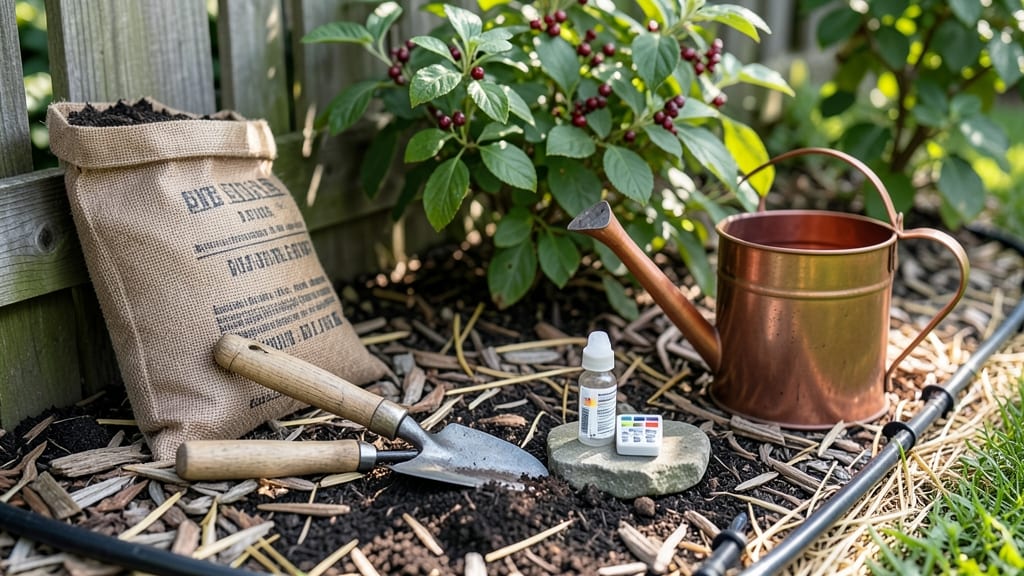
Growing sweet, flavorful berries 🫐 depends on one critical factor: the right soil for berries, which means getting the pH and nutrients just right.
If your berry bushes are producing sparse harvests or bland-tasting fruit, the issue might be lurking right beneath your feet. Soil that’s too alkaline or nutrient-poor can starve your plants, no matter how much you water or fertilize.
Berry plants thrive when soil pH, organic matter, and drainage align with their specific needs—whether it’s the acid-loving blueberries or the more adaptable strawberries. Below, I’ll break down the ideal soil mix, pH ranges, and organic amendments to transform your soil into a berry-growing powerhouse.
You’ll learn how to test your soil, adjust its pH, and create a nutrient-rich blend that ensures a sweeter, more abundant harvest every season.
Optimal soil pH and composition for berry plants
If your berry bushes aren't producing the sweet, juicy fruit you crave, the issue likely starts in your soil composition.
Different berries thrive in specific pH levels and soil types—blueberries need acidity, while raspberries prefer a neutral pH. Ignoring these needs can lead to poor flavor, stunted growth, or even plant death. Let's break down the exact soil requirements for your favorite berries to unlock their full potential.
Understanding soil pH is your first step. A quick test can reveal whether your garden is too alkaline or acidic for berries. For example, blueberries demand a pH between 4.5 and 5.5, while strawberries prefer a slightly wider range of 5.5 to 6.8.
Meanwhile, raspberries and blackberries do best in 6.0 to 6.5. Without the right balance, nutrients like iron and manganese become unavailable, even if your soil is rich in organic matter.
Beyond pH, organic matter content is critical. Berry plants need well-aerated, nutrient-dense soil with at least 3-5% organic matter—think compost, leaf mold, or well-rotted manure. This ensures roots access both water and nutrients efficiently.
Poor drainage, on the other hand, can drown roots, leading to fungal diseases like root rot. Always aim for soil that drains within 24 hours after watering.
Ready to optimize? Start by testing your soil’s pH using a home test kit or send a sample to your local extension office for professional analysis. Once you know your baseline, you can amend the soil with sulfur (to lower pH) or lime (to raise it).
For acidic-loving berries, peat moss or pine bark fines are excellent organic amendments. Let’s dive into the specifics with this quick reference guide:
| Berry Type | Ideal pH Range | Organic Matter % | Drainage Needs | Key Amendments |
|---|---|---|---|---|
| Blueberries | 4.5–5.5 | 5–10% | Fast-draining | Peat moss, sulfur, pine bark |
| Raspberries | 6.0–6.5 | 3–5% | Moderate | Compost, lime (if needed) |
| Strawberries | 5.5–6.8 | 4–6% | Well-draining | Compost, aged manure |
| Blackberries | 6.0–6.5 | 3–5% | Moderate | Compost, sand (for clay soil) |
Now that you’ve got the ideal soil conditions for your berries, let’s talk about how to achieve them. For acid-loving plants like blueberries, mix equal parts peat moss and sand into your native soil. This creates a loose, airy medium that mimics their natural bog habitats.
If your soil tests too alkaline, add elemental sulfur at a rate of 1–2 pounds per 100 square feet and retest in 2–3 months.
For neutral-loving berries such as raspberries, focus on improving soil structure with compost and coarse sand. If your soil is heavy clay, consider planting in raised beds filled with a 50/50 mix of topsoil and compost.
This ensures proper drainage while retaining moisture. Always avoid compacted soil—walking on garden beds or using heavy machinery can crush soil particles, reducing aeration and root growth.
Don’t forget to mulch around your berry plants with pine needles or straw. This not only suppresses weeds but also slowly acidifies the soil over time, perfect for blueberries. For other berries, use straw or shredded leaves to maintain moisture and regulate soil temperature.
Mulch should be 2–3 inches thick and kept 3–4 inches away from the plant stems to prevent rot.
Testing your soil isn’t a one-time task—recheck the pH annually in spring, especially after heavy rains or amendments. Rainwater can leach nutrients, and organic matter breaks down over time.
Adjust as needed to keep your berries thriving. With the right soil composition, you’ll see sweeter flavors, larger yields, and healthier plants in just one growing season.
Ready to transform your berry patch? Grab a soil test kit and start amending today—your taste buds will thank you! 🫐
DIY pH-balanced soil mix recipe for sweetest berry harvests
Your berry bushes deserve rich, flavorful harvests, but bland-tasting fruit often means your soil pH is off. Different berries crave different conditions—blueberries need acidity, while raspberries and blackberries prefer neutral soil.
The good news? You can create the perfect DIY soil mix in your backyard with just a few key ingredients.
This custom soil blend ensures optimal nutrient availability and root health, so your berries grow sweeter and more abundant. Whether you're planting strawberries, blueberries, or brambles, the right mix makes all the difference. Let’s break it down into simple steps—no fancy tools required!
Use a pH test kit to check your soil’s current pH. Most garden centers sell affordable kits. Blueberries thrive at 4.5–5.5 pH, while raspberries and blackberries prefer 5.5–6.5 pH.
Combine 50% peat moss (or coco coir for sustainability) + 30% compost + 20% coarse sand. For blueberries, add 1 tbsp sulfur per gallon to lower pH if needed.
Use 60% garden soil + 30% compost + 10% perlite for raspberries/blackberries. If pH is too low, add 1 tbsp lime per gallon to raise it to 6.0–6.5.
Mix in 1 cup worm castings (per 5 gallons) for micronutrients and 1 tbsp bone meal (for phosphorus) to boost fruiting. Avoid synthetic fertilizers—they can burn roots and disrupt pH balance.
After mixing, re-test pH with your kit. For acidic berries, add elemental sulfur gradually (wait 2–4 weeks between amendments). For neutral berries, use pelletized lime sparingly.
Fill raised beds or amend in-ground soil with your mix. Top with 2 inches of pine needles (for acidity) or straw mulch (for neutral berries) to lock in moisture and prevent pH swings.
Once your berries are established, replenish compost annually and re-test pH every spring. Over time, organic matter breaks down, so top-dress with fresh amendments to maintain fertility. Your bushes will reward you with juicier, sweeter berries in no time!
Pro tip: Save money by sourcing peat moss from local nurseries or making your own compost from kitchen scraps (like fruit peels and coffee grounds). Happy digging—your berry patch will thank you!