
Propagation
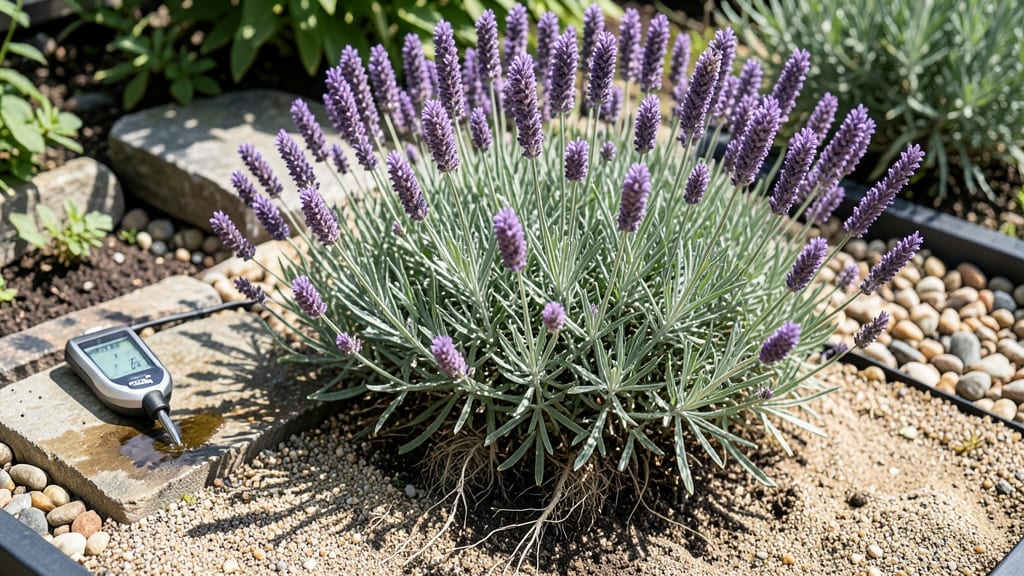
The best soil for lavender combines well-draining, sandy loam with a pH between 6.5 and 7.5, avoiding compacted clay or soggy conditions. Amend garden soil with coarse sand, perlite, or gravel to create airy roots and prevent rot.
Lavender’s soil needs go beyond just drainage—they’re about creating the perfect balance for its Mediterranean roots. 🌿 This plant hates "wet feet," so even a slight pH dip below 6.5 can stunt growth by locking out essential nutrients like phosphorus.
I’ve found that adding 50% garden soil, 30% coarse sand, and 20% perlite creates the ideal mix for containers, while garden beds benefit from a 2-inch gravel layer beneath the planting hole. The key is mimicking its natural rocky terrain, which prevents both waterlogging and nutrient overload.
For gardeners with heavy clay, don’t despair—simply till in 3 inches of sand or composted bark before planting. The goal is to replicate the loose, mineral-rich soil lavender thrives in, where roots can spread freely without suffocating.
Pro tip: Test your soil’s pH first—if it’s acidic, a handful of crushed limestone mixed into the planting hole works wonders over time.
💡 In This Article
- Why Lavender Needs Fast-Draining, Alkaline Soil
- DIY Lavender Soil Mix Recipes for Containers and Gardens
Why lavender needs fast-draining, alkaline soil
Lavender's soil preferences stem from its Mediterranean heritage, where it evolved in rocky, nutrient-poor conditions with minimal rainfall. The plant's fibrous root system spreads shallowly but widely—typically within the top 12-18 inches of soil—to access moisture quickly before it evaporates.
When soil stays too wet, these roots suffocate from oxygen deprivation, leading to root rot within 48-72 hours. The plant's natural resilience comes from its ability to thrive in soil with only 10-15% moisture retention, far less than most garden plants.
The alkaline pH range (6.5-7.5) is equally critical because lavender belongs to the Lamiaceae family, which has evolved to uptake nutrients most efficiently in slightly alkaline conditions. At lower pH levels, essential minerals like phosphorus and calcium become locked in the soil, making them unavailable to the plant.
This nutrient lockout explains why lavender often shows stunted growth or pale foliage in acidic soils—even when other plants in the same bed flourish. The fragrance intensity also suffers, as the plant's essential oil production is directly tied to proper nutrient absorption.
Soil composition matters because lavender's roots are highly sensitive to compaction. In clay-heavy soils, particles pack tightly, creating tiny airless pockets that trap moisture and block root expansion.
The ideal texture mimics volcanic soil from Provence, where lavender grows wild: 40% sand, 30% silt, and 30% clay—but with added organic matter to prevent compaction. This structure allows roots to breathe while still holding enough moisture for 2-3 days between waterings, which is all lavender needs.
What most gardeners overlook is how soil temperature affects lavender's needs. In containers, soil heats up faster than garden beds, which can accelerate moisture loss. That's why container mixes often include 20-30% perlite or pumice—these materials not only improve drainage but also help regulate soil temperature by reflecting sunlight.
The result? Roots stay in their optimal 60-75°F growth zone even on hot days, preventing stress that could reduce flowering.
Consider this comparison: A lavender plant in well-amended soil will produce 3-5 times more flowers than one in heavy clay, thanks to better root oxygenation and nutrient access. The fragrance compounds—like linalool and linalyl acetate—develop more intensely in these ideal conditions.
For example, English lavender (Lavandula angustifolia) grown in alkaline, fast-draining soil can reach 1.5% essential oil content in its flowers, compared to just 0.5% in poorly drained soil.
Here's what happens when you get it wrong: Overwatered lavender in clay soil will show yellowing leaves within 10-14 days, followed by blackened stems as roots rot. The plant may even develop fungal issues like root rot (Phytophthora), which spreads rapidly in waterlogged conditions.
On the other hand, proper soil creates a self-sustaining ecosystem where beneficial microbes thrive, breaking down organic matter into nutrients lavender can easily absorb.
Remember: Lavender's soil needs aren't just about survival—they're about unlocking its full potential. When you replicate its native growing conditions, you're not just preventing problems; you're creating the perfect environment for vibrant purple blooms and that signature intoxicating fragrance that makes lavender so beloved. 🌿