
How To
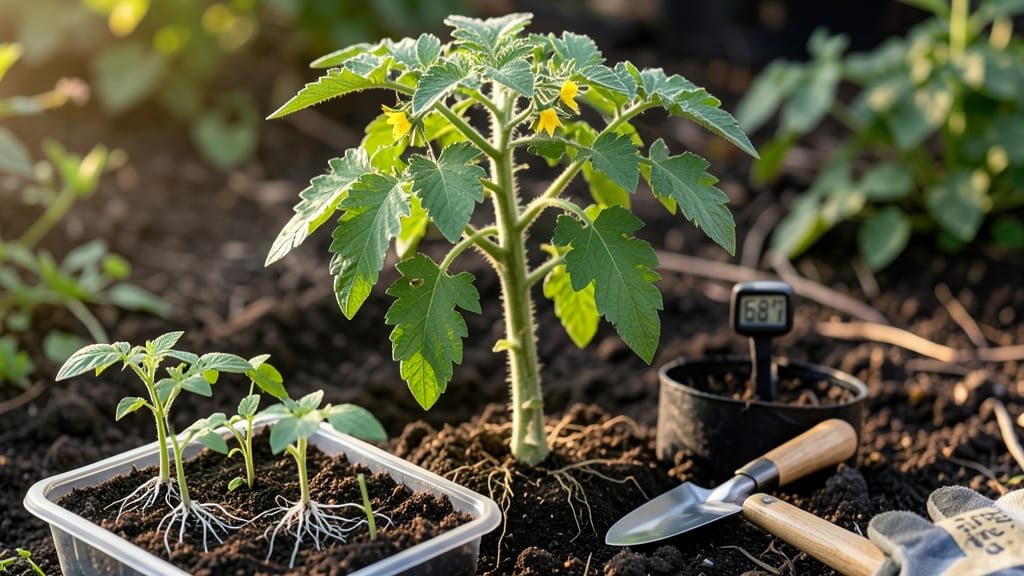
Planting tomatoes at the right soil temperature is the first step to a bumper harvest—too cool, and your seedlings will stall before they even take root.
Struggling to get your tomato plants off to the right start? The secret to thriving seedlings lies beneath the surface—in the soil temperature. Get it wrong, and your hard work could wither before it even begins.
Most gardeners check the air temperature or wait for frost dates, but the real game-changer is what’s happening below ground. A consistent 60°F (15°C) is the magic number for seeds to germinate, while seedlings need warmer soil—70°F (21°C) or higher—to thrive.
In this guide, I’ll break down the ideal ranges for each stage of growth, how to test your soil, and simple fixes to adjust planting times—so you can avoid the costly mistakes that kill seedlings before they even sprout.

Optimal soil temperature ranges for planting tomatoes at each growth stage
Getting your tomato plants off to the right start means paying close attention to one often-overlooked factor: soil temperature. Unlike air temperature, which we check daily, soil warmth dictates whether your seeds germinate, seedlings thrive, or mature plants establish strong roots.
For tomatoes, the right soil temperature range varies dramatically by growth stage—and getting it wrong can mean the difference between a bountiful harvest and wasted effort.
Most gardeners focus on last frost dates, but even after frost danger passes, cold soil can stall growth. Tomatoes are warm-season crops that need consistent warmth to perform at their best.
From direct sowing seeds to transplanting seedlings and establishing mature plants, each phase has specific temperature thresholds that determine success. Let’s break down the ideal ranges and what happens when soil gets too hot or too cold.
Soil temperature is measured about 2-4 inches deep, where most roots and seeds reside. A simple soil thermometer (available for under $10) can help you monitor conditions. In cooler climates, soil may lag behind air temperatures by 10-15°F, so don’t assume your garden is ready just because the weather feels warm. For example, a 60°F (15°C) air temperature might correspond to 50°F (10°C) soil—still too chilly for tomatoes.
| Growth Stage | Ideal Soil Temp (°F/°C) | Critical Thresholds | Notes |
|---|---|---|---|
| Direct Sowing Seeds | 70-85°F (21-29°C) | Minimum: 55°F (13°C) | Seeds won’t germinate below 55°F; above 90°F (32°C), germination slows. |
| Transplanting Seedlings | 60-70°F (15-21°C) | Minimum: 50°F (10°C) | Below 50°F, roots struggle to establish; above 80°F (27°C), seedlings may bolt. |
| Establishing Mature Plants | 65-80°F (18-27°C) | Minimum: 55°F (13°C) | Below 55°F, growth slows; above 90°F (32°C), blossom-end rot risk increases. |
| Fruiting Phase | 70-85°F (21-29°C) | Minimum: 60°F (15°C) | Ideal for fruit set; below 60°F, pollination fails; above 95°F (35°C), fruit may crack. |
For direct sowing seeds, the ideal soil temperature ranges from 70-85°F (21-29°C). This is when tomato seeds germinate most reliably. Below 55°F (13°C), germination grinds to a halt, and seeds may rot in the soil.
If you’re planting early in cooler climates, consider using a seed heating mat or black plastic mulch to raise soil temperature by 5-10°F. In hot climates, soil above 90°F (32°C) can actually slow germination, so afternoon shade cloth may help.
When transplanting seedlings, aim for soil temperatures between 60-70°F (15-21°C). Seedlings are more resilient than seeds but still need warmth to establish roots. Below 50°F (10°C), roots grow poorly, leaving plants vulnerable to disease and stress.
A common mistake is transplanting too early based on air temperature alone. For example, in USDA Zone 5, soil may still be 45°F (7°C) in May, even if daytime highs reach 70°F (21°C). Always check soil temperature before transplanting.
Once your tomato plants are established, maintaining soil temperatures between 65-80°F (18-27°C) ensures steady growth. During the fruiting phase, the ideal range shifts slightly higher to 70-85°F (21-29°C) for optimal fruit set. However, extreme heat above 95°F (35°C) can cause blossom-end rot or cracked fruit.
In such cases, provide afternoon shade or mulch heavily to keep roots cool. Conversely, soil below 55°F (13°C) can stunt growth and delay harvests by weeks.
Regional variations play a huge role in soil temperature. In southern climates, soil may reach 80°F (27°C) by March, while in the Pacific Northwest, May or June is often needed to hit 60°F (
How to measure and adjust soil temperature for tomato success
Getting the soil temperature right for your tomato plants can mean the difference between a bumper crop and wasted effort. Unlike air temperature, soil warmth dictates when seeds germinate and roots establish.
I’ve learned the hard way that even if the air feels warm, cold soil can stall your plants for weeks—sometimes permanently.
Most gardeners focus on air temperature and last frost dates, but soil temperature is the real game-changer. Tomato seeds need warmth to activate enzymes that kickstart germination, while seedlings require consistent warmth to develop strong root systems.
Without the right conditions, your plants may rot in the ground or simply refuse to grow.
Here’s the critical insight: Tomato seeds need soil temperatures between 70°F–90°F (21°C–32°C) to germinate, while seedlings thrive in 60°F–70°F (15°C–21°C) soil. But how do you know when your soil is ready? And what if your climate doesn’t cooperate? Let’s break it down step by step.
Air temperature can be misleading! A sunny 75°F (24°C) day might feel perfect, but if your soil is still 50°F (10°C) from overnight chills, your tomato seeds will fail to germinate. Always check soil temperature—it’s the true indicator of planting readiness.
First, you’ll need a soil thermometer—these inexpensive tools look like candy thermometers but measure ground temperature. Insert the probe 2–4 inches deep (where most roots and seeds reside) and check readings in the morning, as nighttime temps can drop significantly.
For direct sowing, aim for 70°F–90°F (21°C–32°C); for transplanting seedlings, 60°F–70°F (15°C–21°C) is ideal.
If your soil is too cold, don’t panic—there are ways to warm it up. Black plastic mulch is my go-to trick: lay it down 1–2 weeks before planting to absorb sunlight and raise soil temps by 10–15°F (5–8°C).
For cooler climates, use row covers or even a DIY greenhouse made from clear plastic bins to trap heat. Pro tip: Water the mulch first to help it heat up faster.
For extended growing seasons, consider soil heating mats (available at garden centers) or plant in raised beds, which warm up 2–3 weeks earlier than in-ground soil. I’ve also had success with straw mulch—it insulates the soil and retains warmth overnight.
Just avoid thick layers, as they can actually cool the soil by blocking sunlight.
Monitor your soil temperature daily, especially in spring or fall, when temps fluctuate wildly. If nights dip below 50°F (10°C), protect your seedlings with frost blankets or move potted plants to a sheltered spot.
Remember, consistent warmth is key—tomatoes hate cold feet, and sudden temperature swings can shock their roots.