
How To
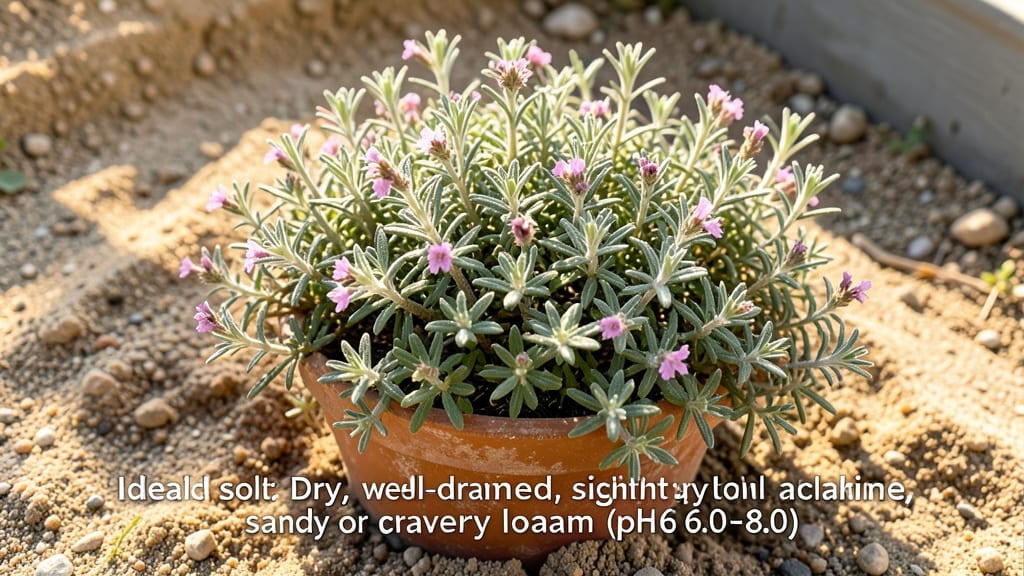
Your thyme plants will thrive in sandy loam soil—the same kind that keeps Mediterranean herbs happy. 🌱 I learned this the hard way when my first batch turned out stunted and bitter, struggling in dense, waterlogged soil.
The secret lies in mimicking thyme’s natural rocky, well-draining habitat, whether in garden beds or containers.
Thyme craves soil with a pH between 6.0 and 8.0, but it’s the texture that matters most—sandy or loamy with 30-50% grit (like coarse sand or perlite) to prevent root rot.
Avoid clay-heavy soil, which holds too much moisture and suffocates roots. A simple test: squeeze a handful—if it stays clumped, amend it with builder’s sand or pumice until it crumbles easily.
You’ll know you’ve nailed it when new growth appears bright green and bushy within weeks, and the aroma hits you like a wave of sunshine.
The right soil mix also means year-round harvests—prune back in early spring, and you’ll have fresh thyme for cooking or garnishes until the first frost. Even in containers, this approach works.
For stubborn clay soil, consider raised beds or fabric-lined containers to improve drainage. And if your thyme starts looking leggy or yellow, it’s a sign of overwatering—thyme prefers dry conditions between waterings. With the right soil, your plants will reward you with fragrant, flavorful leaves that last all season.
📚 In This Guide
- What you need
- Instructions
- Tips and common mistakes
- Wrapping up and next steps
What you need
- ● Potting soil or garden soil (2 parts) – Use a well-draining, organic blend (e.g., Miracle-Gro Potting Mix or FoxFarm Ocean Forest).
- ● Coarse sand or perlite (1 part) – Adds grit to prevent compaction (e.g., builder’s sand or horticultural perlite).
- ● Compost or worm castings (1 part) – Boosts nutrients without heaviness (avoid fresh manure—it can burn thyme!).
- ● Thyme plants or seeds – Choose Thymus vulgaris (common thyme) or Thymus serpyllum (wild thyme) from a nursery or online.
- ○ Containers (optional but ideal) – 6–12" pots with drainage holes (terracotta or fabric pots work best).
- ● Garden trowel or small shovel – For mixing soil and planting.
- ● Measuring cups or scale – To ensure the 2:1:1 soil ratio (e.g., 2 cups soil, 1 cup sand, 1 cup compost).
- ○ Drainage layer (optional) – Small pebbles or broken pottery at the bottom of pots to prevent root rot.
- ● Watering can with a fine rose – Thyme hates soggy soil, so gentle watering is key!
- ● Sunny spot (6+ hours/day) – Thyme thrives in full sun—mark your brightest garden area or place pots near a south-facing window.
- ○ 🌡️ Test your soil’s pH (optional): Thyme prefers slightly alkaline soil (pH 6.0–7.0). A simple kit from a garden center can help!
- ● ✨ Add a pinch of gravel to your mix if your soil is clay-heavy—it mimics thyme’s natural Mediterranean habitat.
- ● 🔄 Replenish compost every 6–12 months to keep nutrients fresh.
How to create the perfect soil mix for thyme
Thyme thrives when you mimic its Mediterranean roots—here’s how to build the ideal sandy loam blend.
🌱 Step 1: Start with a Base of Sandy Loam
Thyme demands well-draining soil that mimics its native rocky terrain. Begin with equal parts sand and loam—this prevents waterlogging while retaining enough nutrients. I like to use coarse sand (like builder’s sand) rather than fine playground sand, as it drains faster and mimics natural conditions. Sift the sand to remove any debris or clumps that could compact the mix.
If you’re working with garden soil, test its drainage first. Fill a container with your soil, water it thoroughly, then wait. If water pools at the surface after 30 minutes, you need more sand. Thyme roots rot quickly in soggy conditions, so this step is critical. Aim for a mix where water drains within 10-15 minutes of watering.
🌿 Step 2: Amend with Organic Matter for Nutrient Balance
While thyme tolerates poor soil, it still needs some organic matter to thrive. Add 20% compost or well-rotted leaf mold to your sandy loam base. This improves moisture retention slightly without suffocating roots. I prefer aged compost over fresh—fresh compost can draw too much nitrogen, making thyme grow leafy at the expense of flavor.
Mix the compost evenly through the sandy loam using a garden fork or trowel. Break up any clumps to ensure uniform texture. You’ll know it’s right when the mix feels light and crumbly, like a well-aerated cake batter. Press it gently in your hand—it should hold its shape slightly but crumble when squeezed. This balance prevents both compaction and nutrient leaching.
☀️ Step 3: Add Minerals for Long-Term Health
Thyme benefits from mineral-rich soil that mimics its rocky Mediterranean habitat. Sprinkle in crushed granite or perlite (about 10% of the total mix) to improve drainage and aeration. These minerals also help regulate soil pH, keeping it in thyme’s preferred 6.0-7.5 range. Test your mix with a pH meter if possible—thyme turns yellow or stunted in acidic soil.
For an extra boost, add a handful of bone meal or greensand per square foot. These provide phosphorus and potassium, which encourage strong root development and aromatic oil production. Mix these in last to avoid clumping. The final texture should resemble coarse beach sand with tiny pebbles—this isn’t an accident. Thyme’s resilience comes from its ability to thrive in such harsh, open conditions.
💧 Step 4: Test and Adjust for Ideal Conditions
Before planting, fill a small container with your mix and water it thoroughly. Let it drain completely, then feel the surface. It should be dry to the touch at the top inch within 24 hours. If it stays damp, add more sand or perlite. If it drains too quickly (water runs straight through), incorporate a bit more compost to improve moisture retention.
Here’s the thing—thyme’s soil should feel almost too harsh for most herbs. That’s the point. It’s okay if it doesn’t look rich like garden soil. In fact, thyme often performs better in leaner mixes because it’s adapted to survive drought and poor conditions. Once satisfied, use this blend in containers or amend your garden beds with it, mixing it into the top 6 inches of soil.
Tips & tricks for perfect thyme soil blends
A few strategic adjustments can transform your mix from good to exceptional—here's how to elevate your thyme's growing environment.
Drainage Precision: The 10-15 minute drainage test in Step 1 is your golden rule. For even more accuracy, use a clear container with marked measurement lines. Fill it halfway with your mix, add water, and time how long it takes for the water level to drop 1 inch. This visual method reveals subtle drainage differences between batches. If water disappears too quickly (under 5 minutes), you need more compost to retain moisture without suffocating roots.
Compost Quality Check: When selecting your 20% compost in Step 2, look for dark, crumbly material with no visible fresh plant fragments. Fresh compost can introduce weeds and pathogens. For an extra flavor boost, consider adding 1-2 tablespoons of dried thyme leaves to your compost pile before using it—this primes the soil with thyme's own aromatic compounds. The mix should smell earthy, not pungent or sour.
Mineral Integration: The 10% crushed granite or perlite in Step 3 deserves special attention. For a more natural approach, use small river rocks instead of crushed granite—they mimic the Mediterranean gravel beds where thyme thrives. When mixing, distribute these minerals evenly throughout the entire batch rather than just sprinkling them on top. This ensures uniform aeration and drainage throughout your planting medium.
pH Testing Shortcut: While a pH meter is ideal, you can approximate thyme's preferred 6.0-7.5 range using common household items. Mix 1 tablespoon of your soil with 1 cup of distilled water, then use red cabbage juice (a natural pH indicator) to test. Purple indicates neutral (7.0), blue-green indicates alkaline (above 7.5), and pink indicates acidic (below 6.0). If needed, adjust with lime (to raise pH) or sulfur (to lower pH) before finalizing your mix.
Pro Tips for Soil For Thyme
- A few strategic adjustments can transform your mix from good to exceptional—here's how to elevate your thyme's growin...
- Drainage Precision: The 10-15 minute drainage test in Step 1 is your golden rule. For even more accuracy, use a clear...
- Compost Quality Check: When selecting your 20% compost in Step 2, look for dark, crumbly material with no visible fre...
Frequently asked questions
Got questions about the perfect soil for thyme? You're not alone!
Whether you're troubleshooting your garden or planning ahead, here are answers to the most common concerns about growing fragrant thyme in sandy loam soil.
What’s the ideal pH range for thyme soil?
Thyme thrives in slightly alkaline to neutral soil with a pH between 6.0 and 8.0. Sandy loam naturally leans toward the neutral side, but if your soil tests too acidic (<6.0), amend it with crushed limestone or wood ash. Avoid over-alkalizing—thyme is tough but not a lime-lover!
How long does it take for thyme to establish in sandy soil?
With the right sandy loam mix, thyme can sprout in 1–2 weeks and establish roots in 4–6 weeks. However, full fragrance and harvestable growth take 3–4 months. Patience pays off—thyme’s deep roots mean it’s drought-resistant once settled!
Can I grow thyme in 100% sand? Will it survive?
While thyme tolerates sandy soil, pure sand drains too fast and lacks nutrients. Mix it with 30% compost or coco coir to retain moisture and microbes. For containers, blend sand with potting soil (50/50) and add perlite for aeration. Thyme’s survival isn’t guaranteed in pure sand long-term!
What’s the best way to refresh soil for thyme if it’s getting compacted?
Compacted sandy loam suffocates thyme roots. Fluff it annually with a garden fork, then top-dress with sharp sand or coarse perlite to improve drainage. Add a thin layer of compost (¼ inch) in spring to replenish nutrients without smothering. Avoid heavy tilling—thyme prefers loose, airy soil!
Are there drought-resistant thyme varieties that do well in sandy soil?
Try these low-maintenance varieties for sandy loam:
- French Thyme (Thymus vulgaris) – Classic, hardy, and fragrant.
- Creeping Thyme (T. serpyllum) – Drought-proof ground cover.
- Lemon Thyme (T. citriodorus) – Thrives in poor soil, citrusy scent.
Wrapping up and next steps
Growing fragrant thyme is all about understanding your soil—and sandy loam is your golden ticket! With the right mix of drainage, nutrients, and a little TLC, you’ll be harvesting abundant, aromatic thyme in no time. 🌿✨
Now that you’re armed with the perfect soil secrets, why not take the next step? Try experimenting with companion plants like rosemary or lavender, or even start a small herb garden to expand your culinary (and sensory!) adventures. Happy gardening—your kitchen (and nose) will thank you!